
 English
 русский
 Español
 عربى
عربى Commercial Horizontal Refrigerator
Bingluo Refrigeration Equipment Co., Ltd. was established in Shanghai in 2006. It is a professional refrigeration equipment manufacturing company integrating R&D, production, sales, and service. As Commercial Ice Machine Manufacturer Direct in China, High-Capacity Commercial Ice Makers Custom Factory, produces commercial ice makers, refrigerators, ice crushers, flake ice machines, snowflake machines, shaved ice machines, display cabinets, stainless steel water bars, coffee bars, and complete sets of equipment for milk tea shops. The products are suitable for hotels, inns, supermarkets, hospitals, cruise ships, coffee shops, bakeries, dessert shops, milk tea shops, and more. In 2016, the company made a significant investment to establish a modern production base in the China-Jiangsu-Dianshan Lake Development Zone. Covering over 30 acres, the facility includes a standardized factory building of 12,500 square meters. Supply Wholesale Commercial Ice Machine. The company has introduced advanced production equipment and adopted the Industry 3.0 production and management system. Through high-quality, efficient products and excellent service, Bingluo has gained a strong reputation in the market and formed long-term strategic partnerships with many customers, both domestic and international. Bingluo is committed to creating high-quality products with a spirit of craftsmanship, staying attuned to market trends, and meeting the diverse, personalized needs of customers. The company is dedicated to mutual benefit and win-win results through providing exceptional products and services. Bingluo is dedicated to continuous progress and looks forward to working with you to create a brighter future together!
Commercial Ice Machine Manufacturer Direct
-
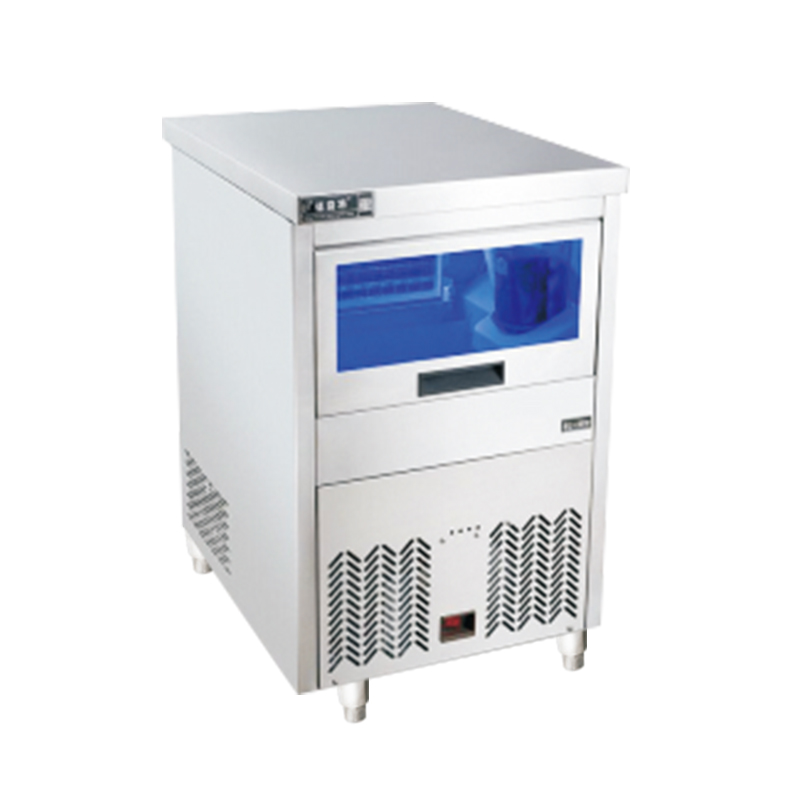 Blue Light Table Commercial Under Counter Ice Maker
-
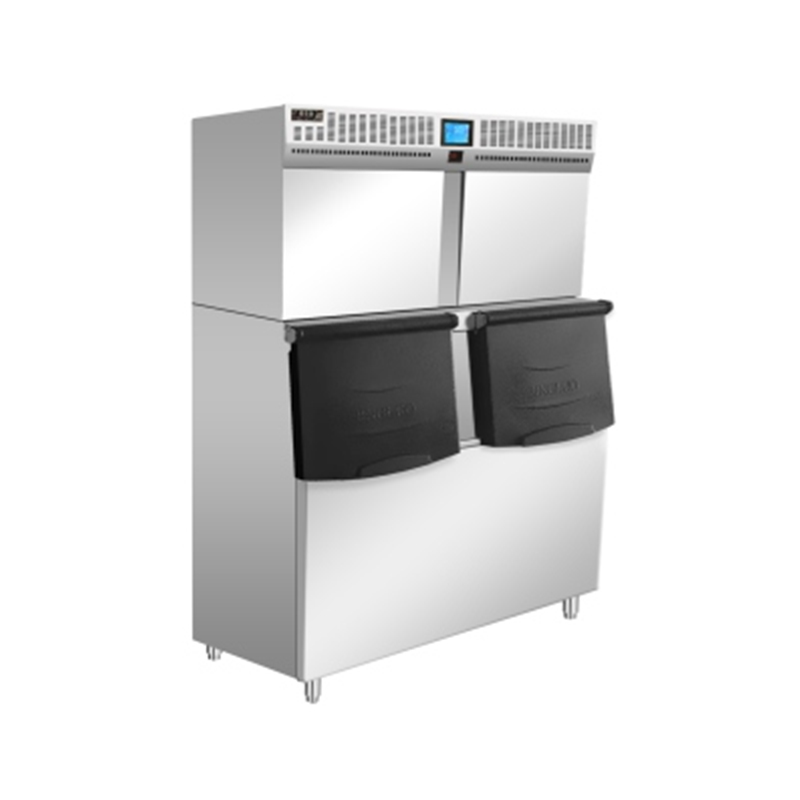 Square Cube Ice Machines
-
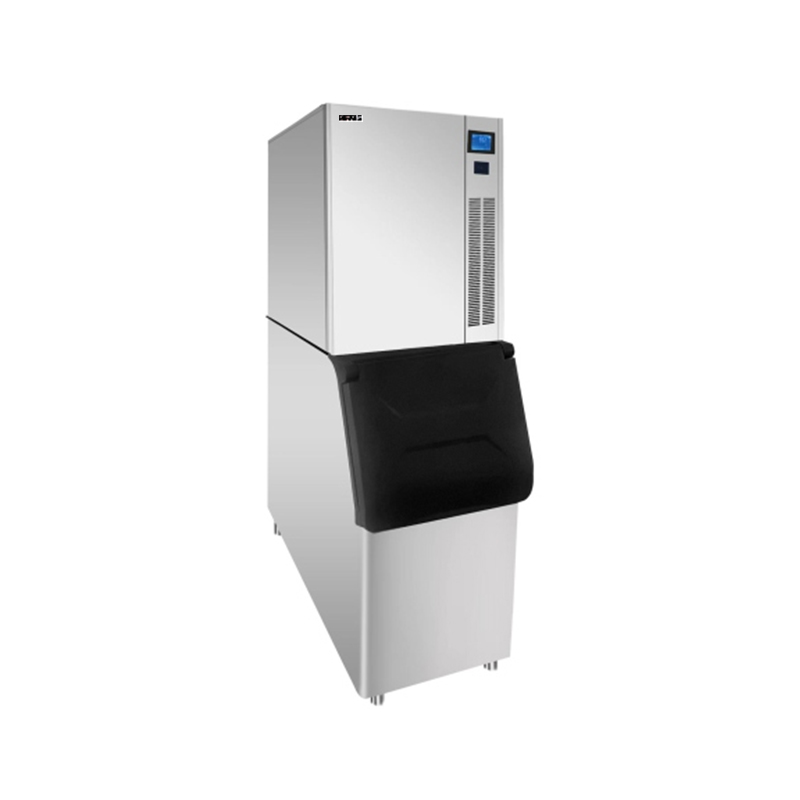 Water Recycling System Ice Maker
-
Flowing Water Type Double-Sided Ice Tray Commercial Ice Maker
-
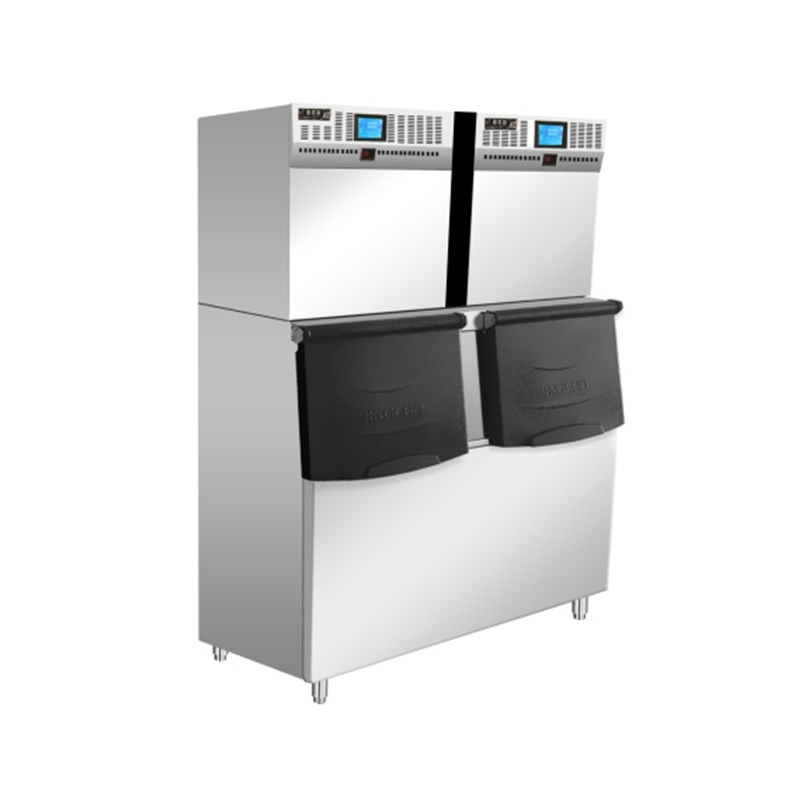 Crescent Shaped Ice Maker
-
Spray Ice Machine Clear Square Ice Maker
-
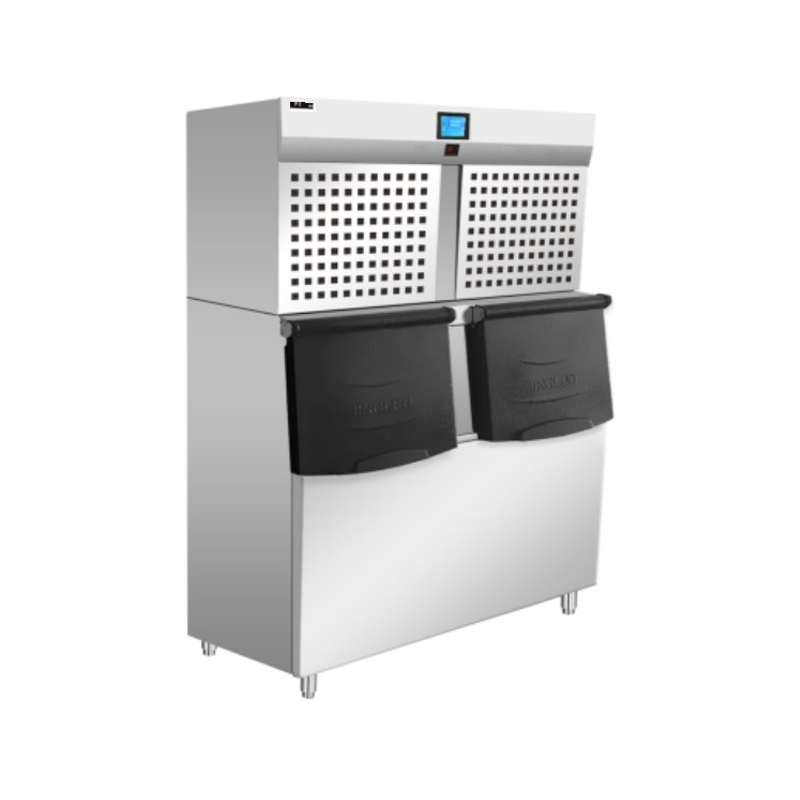 Snowflake Ice Machine
-
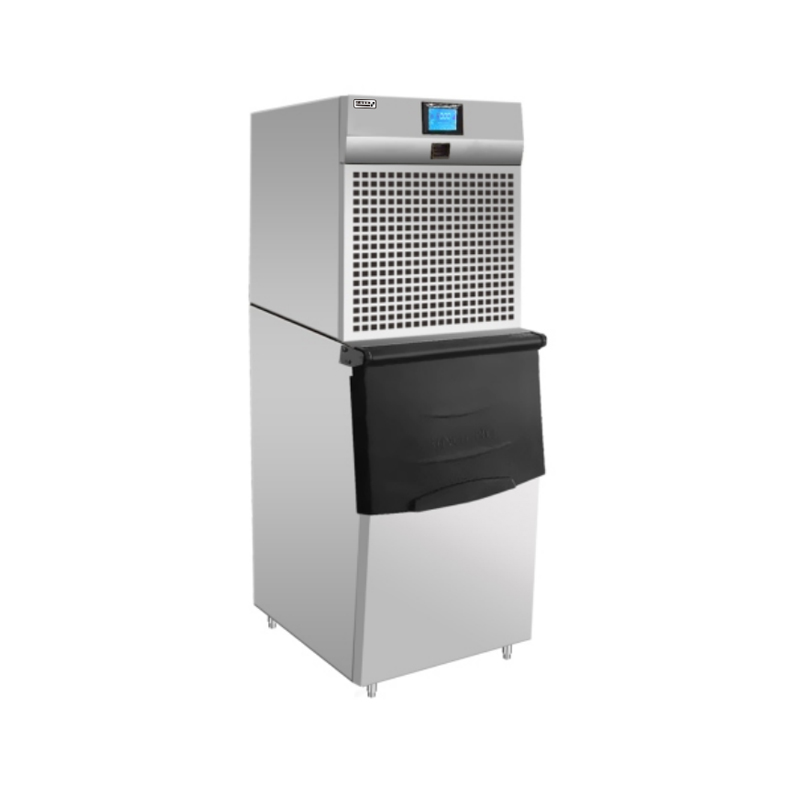 Commercial Flake Ice Machines
-
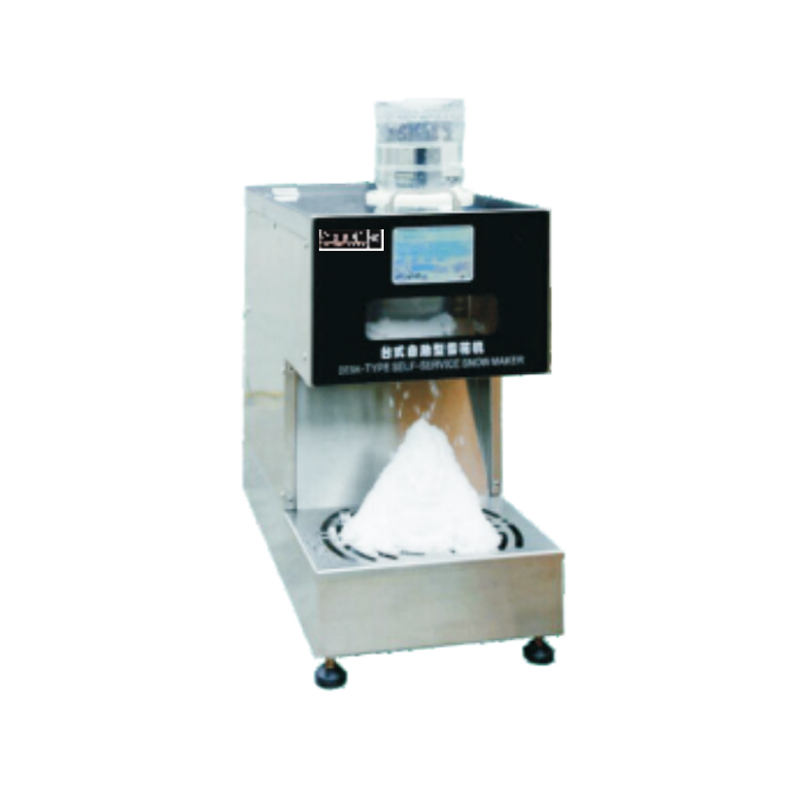 Commercial Snow Ice Maker Machine
-
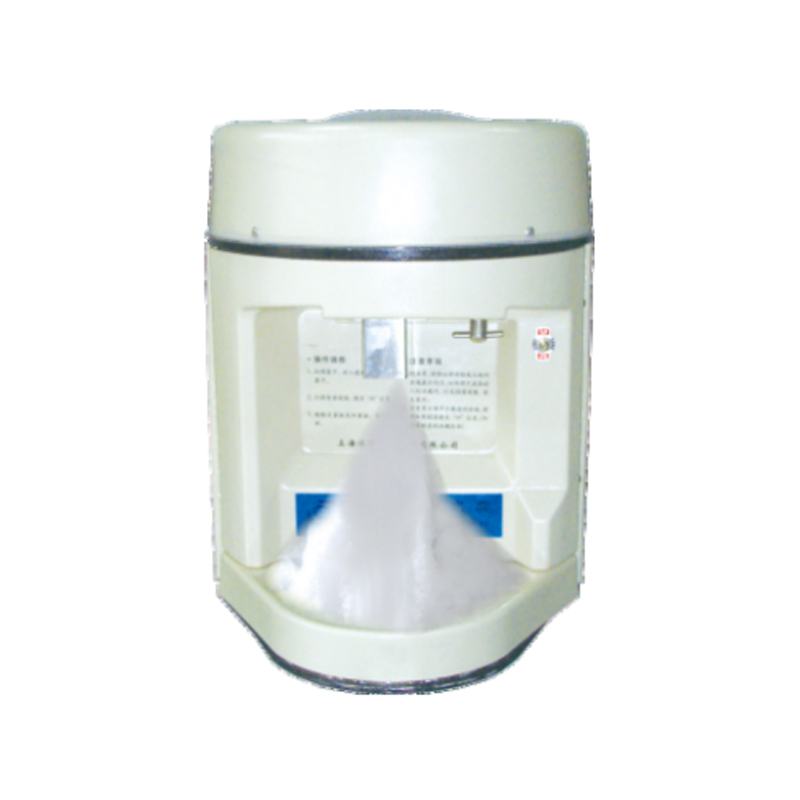 Air Cooled Shaved Ice Machine
-
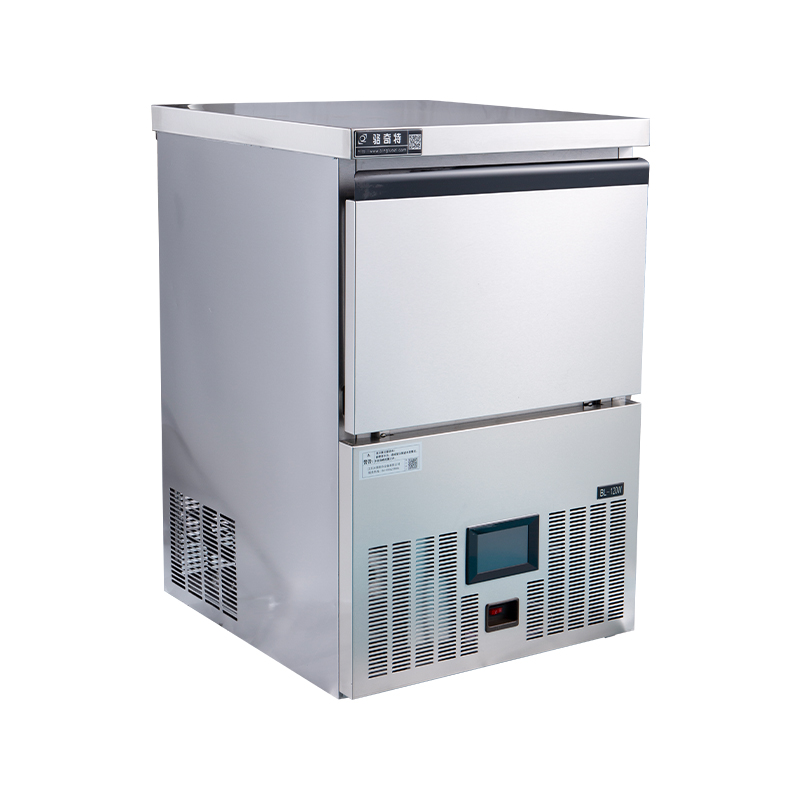 Jumbo Square Cube Ice Machine
Focus on the research and development of ice making machine core: Bingluo is a manufacturer of ice making machines that develops and produces a variety of ice types. It uses high-quality materials and processing technology to ensure that each ice-making machine has stronger capacity, better ice hardness, purity and integrity.
Reliable quality: To ensure the quality reliability and longer service life of each ice-making machine, Bingluo strictly uses international brand refrigeration accessories and undergoes long-term and harsh experimental environment testing to ensure the stability of the product and low failure rate.
Easy to clean and maintain: Bingluo series ice making machines use food-grade engineering plastics to effectively inhibit the growth of bacteria and other microorganisms in the ice making area. Each machine has a cleaning function. Users only need to add an appropriate amount of cleaning agent (lemon powder) to automatically clean it. After cleaning, pure and hygienic ice cubes can be made.
Brand-new patented product design: Bingluo's new workbench ice maker adopts a square appearance, the height of the box is the same as that of the refrigerator, the whole table is foamed with high pressure, and the size can be customized so that it can be fully matched with the customer's project. The overall effect is more beautiful, generous, and durable, to reasonably utilize the limited space, and it has the advantages of multi-functional shelves and ice storage, saving costs, etc.
-
A 40ft container meat storage freezer is a smart, flexible solution for businesses that need reliable cold storage without the cost and lead time of a permanent construction project. Whether you are a meat processor fac...
READ MORE -
Meat is one of the least forgiving cargoes in the cold chain. A few degrees of drift, a door held open a minute too long, or a pallet waiting on a warm dock can turn a shipment that left the plant in perfect condition i...
READ MORE -
How a Water-Cooled Condenser Works A water-cooled commercial ice maker rejects heat through a water circuit instead of blowing hot air across finned coils. In a typical setup, water enters the condenser coil, absorbs ...
READ MORE
How to Size a Commercial Ice Machine for Your Real Daily Demand
Most buyers pick a commercial ice machine by looking at the headline output figure, but that number is measured under standard test conditions, typically 21°C ambient air and 15°C incoming water. In a hot kitchen at 32°C with 25°C tap water in summer, the same commercial ice maker can lose 20% to 30% of its rated output. A safe approach is to calculate peak-day demand first, then choose a model whose real-world output at your worst-case conditions still covers that figure.
The table below lists approximate planning figures. They are only starting points, so adjust them for your menu, seasonality and opening hours.
| Business Type | Planning Figure | Notes |
| Hotel | 2–3 kg per occupied room per day | Add capacity for banquets and breakfast buffets |
| Restaurant | 0.5–1 kg per seat per day | Higher for cold-drink-focused menus |
| Bar or Milk Tea Shop | 1.5–2.5 kg per seat per day | Peak hours drain the bin quickly |
| Hospital | 4–5 kg per bed per day | Soft, chewable ice is often preferred |
Do not forget storage bin capacity
Output and storage are two different numbers. If most of your ice is used within a two-hour lunch or evening rush, the bin must hold enough to cover that rush, because the machine cannot produce fast enough in real time. As a rule of thumb, the bin should hold at least 40% to 50% of your daily demand. At Bingluo we offer a range of undercounter and modular commercial ice makers so you can pair the right production head with the right bin size.
Matching Ice Shape to Your Application
Ice shape affects drink dilution, presentation, cooling speed and even how much ice you need per serving. Solid cubes melt slowly and suit spirits and carbonated drinks. Flake and nugget ice pack tightly, which makes them ideal for cooling and displaying fresh products. Choosing the wrong shape from a commercial ice machine is one of the most common reasons operators end up buying a second unit.
- Cube ice: slow melting and good clarity, best for bars, restaurants, hotels and beverage dispensing.
- Crescent or half-moon ice: fits tall glasses and cups well, and is popular in cafés and fast-food outlets.
- Flake ice: a soft, moldable form that surrounds food evenly without bruising it, so it suits supermarket fresh counters, seafood displays and hospitals.
- Snowflake ice: soft and fluffy, used for shaved dessert products and bingsu-style menus.
Air-Cooled vs. Water-Cooled Commercial Ice Makers
The condenser type decides where a commercial ice maker can be installed and how much it costs to run. Air-cooled models are cheaper to buy and install because they need only a power supply, a water inlet and a drain. They do, however, reject heat into the room, so they need about 15 to 20 cm of clear space around the ventilation sides and a room temperature that stays within roughly 10°C to 38°C.
Water-cooled models reject heat into a stream of water instead. They perform more consistently in hot, enclosed kitchens and are quieter, but they can consume several times more water than the ice itself, unless they are connected to a recirculating cooling loop. Where water is metered or scarce, that consumption can outweigh the efficiency gain.
| Factor | Air-Cooled | Water-Cooled |
| Purchase and installation cost | Lower | Higher |
| Performance in hot rooms | Output drops noticeably | Stable |
| Water consumption | Low | High without recirculation |
| Noise level | Fan noise present | Quieter |
Water Quality: The Hidden Factor Behind Ice Quality and Machine Life
Ice is 100% water, so whatever is in your water ends up in your ice and inside your machine. Hard water leaves limescale on the evaporator, which slows freezing, raises energy use and can produce small, misshapen or cloudy cubes. Chlorine and organic compounds cause off-tastes that customers notice immediately in a clear drink.
A practical filtration setup
- Sediment filter (about 5 micron) to catch sand and rust particles that can block the water inlet valve.
- Activated carbon filter to remove chlorine and improve taste and odor.
- Scale inhibitor or softener if your water hardness regularly exceeds about 150 ppm.
Replace cartridges on schedule, generally every 6 months, or sooner in areas with poor municipal water. A clogged filter restricts flow and can trigger low-water faults that look like a mechanical failure. Our commercial ice machine models are designed to work with standard inline filtration, so adding it later is straightforward.
A Realistic Cleaning and Maintenance Schedule
Ice is a food product, and a dirty machine can harbor slime and mold in places you cannot see, especially the water tray, distributor and the bin. Regular maintenance also protects the compressor, since a dirty condenser forces it to work harder. The schedule below suits most operators of a commercial ice maker in a typical kitchen or shop.
| Interval | Task |
| Weekly | Wipe the bin door, scoop and exterior surfaces with food-safe sanitizer |
| Monthly | Clean the air filter and condenser fins; empty and sanitize the storage bin |
| Every 3–6 months | Run a descaling and sanitizing cycle with an approved ice machine cleaner |
| Every 6 months | Replace water filter cartridges; check drain lines for blockages |
Never use general-purpose bleach or harsh household descalers on the evaporator. They can corrode stainless steel and copper parts and leave residues that taint the ice. Also discard the first batch of ice produced after any cleaning cycle.
Troubleshooting Common Ice Quality Problems
Ice is small, hollow or cloudy
Hollow or thin cubes usually point to low water flow, a partly blocked filter, or a water inlet valve that is not opening fully. Cloudiness, by contrast, is mostly caused by dissolved minerals and trapped air. Improving filtration and confirming the water supply pressure (typically 0.1 to 0.6 MPa) resolves most cases.
Ice output has dropped over time
Check the condenser first. A layer of dust and kitchen grease on the fins can cut heat rejection dramatically, and cleaning it often restores much of the lost output. Next, look for limescale on the evaporator and confirm the room temperature has not risen because of nearby cooking equipment.
Ice sticks together in the bin
Clumping happens when ice partially melts and refreezes, often because the bin door is left open, the drain is blocked, or the machine sits in a warm location. Keep the door closed, check that meltwater drains freely, and avoid storing ice for several days. With over 15 years of manufacturing experience behind every Bingluo unit, we recommend pairing the machine with a properly sized bin so ice turns over regularly.

No.8 Xinhua Road, Dianshanhu Town, Kunshan City, Suzhou, Jiangsu Province, China
Call Us: +86-18217685733 / +86-18221531811
E-mail: [email protected] / [email protected]
Copyright © Jiangsu Bingluo Refrigeration Equipment Co., Ltd. All Rights Reserved. High-Capacity Commercial Ice Maker Machine Factory
