
 English
 русский
 Español
 عربى
عربى Commercial Horizontal Refrigerator
Bingluo Refrigeration Equipment Co., Ltd. was established in Shanghai in 2006. It is a professional refrigeration equipment manufacturing company integrating R&D, production, sales, and service. As Commercial Refrigerators Manufacturers in China, Energy-Efficient Restaurant Refrigerators Factory, produces commercial ice makers, refrigerators, ice crushers, flake ice machines, snowflake machines, shaved ice machines, display cabinets, stainless steel water bars, coffee bars, and complete sets of equipment for milk tea shops. The products are suitable for hotels, inns, supermarkets, hospitals, cruise ships, coffee shops, bakeries, dessert shops, milk tea shops, and more. In 2016, the company made a significant investment to establish a modern production base in the China-Jiangsu-Dianshan Lake Development Zone. Covering over 30 acres, the facility includes a standardized factory building of 12,500 square meters. Supply Hotel Kitchen Refrigeration Systems. The company has introduced advanced production equipment and adopted the Industry 3.0 production and management system. Through high-quality, efficient products and excellent service, Bingluo has gained a strong reputation in the market and formed long-term strategic partnerships with many customers, both domestic and international. Bingluo is committed to creating high-quality products with a spirit of craftsmanship, staying attuned to market trends, and meeting the diverse, personalized needs of customers. The company is dedicated to mutual benefit and win-win results through providing exceptional products and services. Bingluo is dedicated to continuous progress and looks forward to working with you to create a brighter future together!
Commercial Refrigerators Manufacturers
-
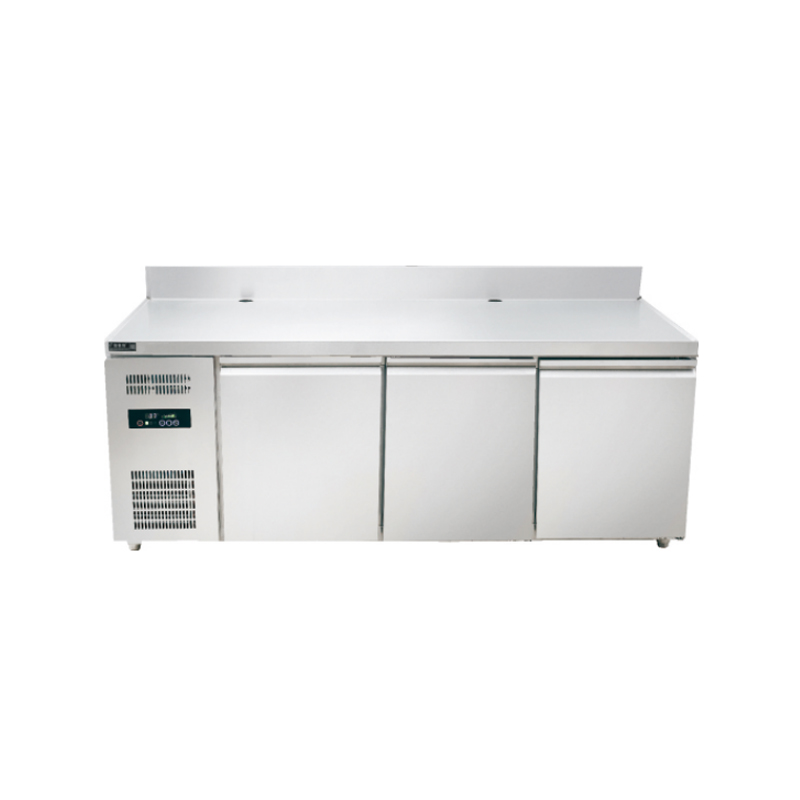 Commercial 201/304 Stainless Steel Direct-cool Horizontal Refrigerator
-
201/304 Stainless Steel Air-cooled Commercial Refrigerator
-
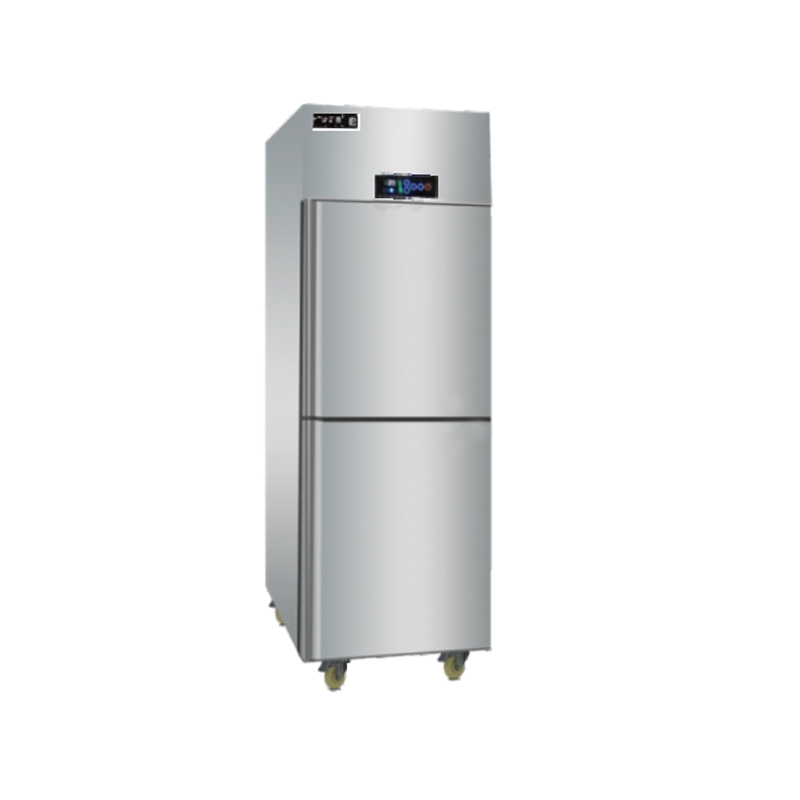 Commercial 201/304 Stainless Steel Direct-cool Upright Refrigerator
-
Commercial 201/304 Stainless Steel Upright Air-cooled Refrigerator
-
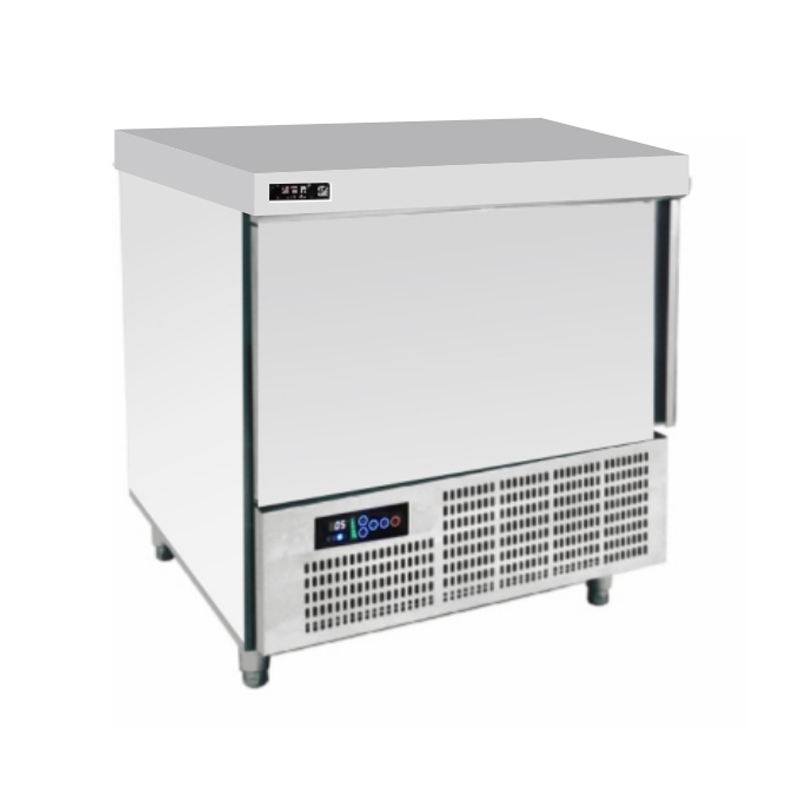 Commercial Blast Chiller/Freezer
-
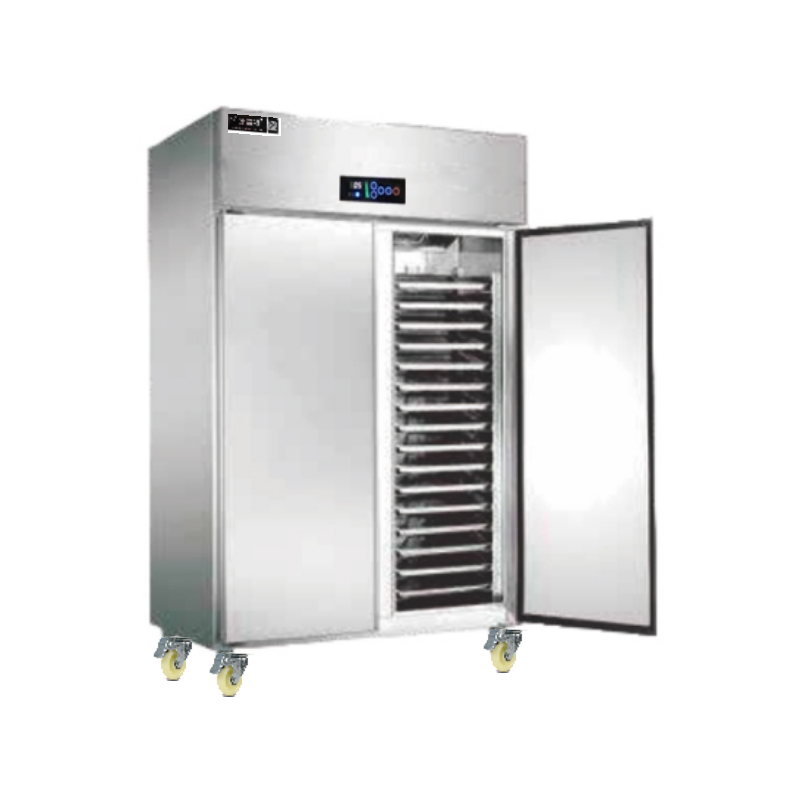 Commercial 304 Stainless Steel Bakery Refrigerator
-
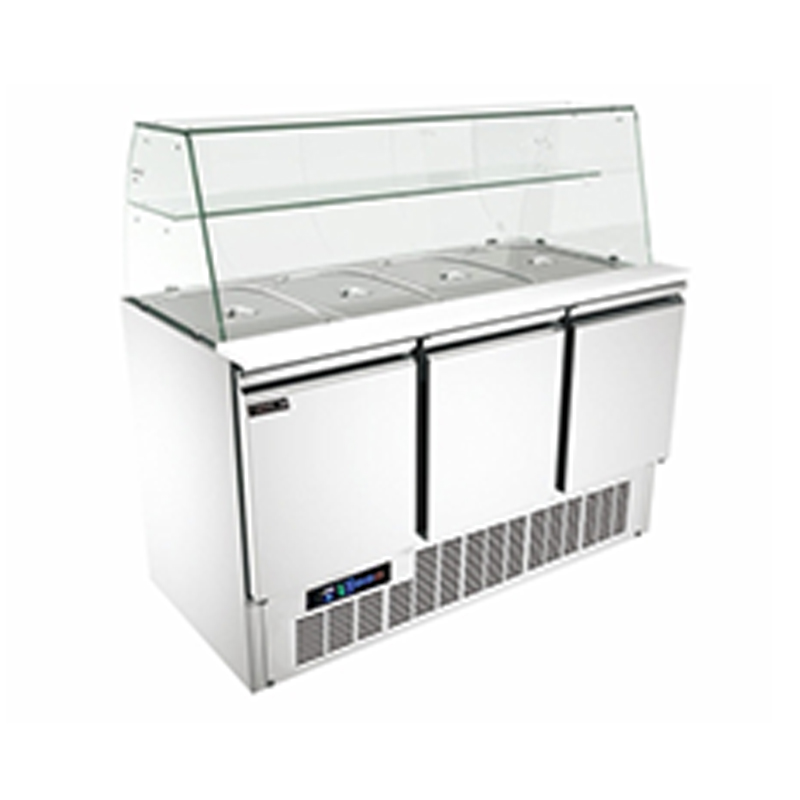 Commercial 304 Stainless Steel Salad Prep Fridge, Pizza Prep Table Refrigerator
-
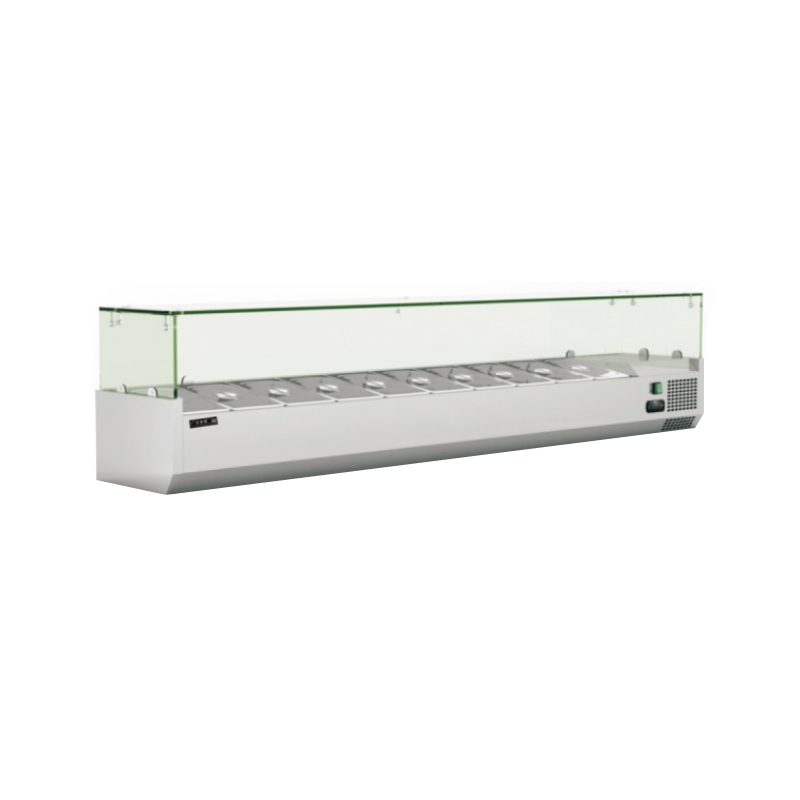 Commercial Salad/Pizza Bar Refrigerator, Countertop Display Refrigerator
Commercial refrigerators use drawer-type units, which are convenient for maintenance and save labor costs.
Intelligent temperature control can accurately control the temperature inside the box, and automatically detect and alarm.
Defrosting water will evaporate automatically without drainage, allowing customers to use it with peace of mind.
Commercial refrigerators use imported compressors to achieve high efficiency and low noise operation.
All-copper tube refrigeration system is not easy to corrode, and the welding parts have anti-rust paint.
The ultra-thick insulation layer of commercial refrigerators reaches 70mm thick and the overall high-density foaming has stronger insulation performance and saves electricity.
European-style door handles are sturdy durable, and easy to open the door.
Casters with brakes are convenient for customers to clean and achieve safety effects.
Customizable groove fillets, backrests, thickened steel plates, etc.
The sanitation of the refrigerator shelves meets the HACCP certificate and has a load capacity of 60 kg/layer.
The imported slide rails are very smooth and easy to use.
There are automatic door closing and static functions. When the door is <90°, it will automatically close, and when the door is >90°, it will automatically stop.
Our commercial refrigerators have extra large usable space and top-mounted evaporators to maximize the internal space.
Food-grade airbags are corrosion-resistant and have better heat preservation performance.
Safety locks can ensure food safety and hygiene.
In line with international certification standards, all refrigerators can reach an ambient temperature test of more than 43°C. Passed QC certification.
The rounded corner design inside the refrigerator is easy to clean and maintain, saving costs.
-
A 40ft container meat storage freezer is a smart, flexible solution for businesses that need reliable cold storage without the cost and lead time of a permanent construction project. Whether you are a meat processor fac...
READ MORE -
Meat is one of the least forgiving cargoes in the cold chain. A few degrees of drift, a door held open a minute too long, or a pallet waiting on a warm dock can turn a shipment that left the plant in perfect condition i...
READ MORE -
How a Water-Cooled Condenser Works A water-cooled commercial ice maker rejects heat through a water circuit instead of blowing hot air across finned coils. In a typical setup, water enters the condenser coil, absorbs ...
READ MORE
How to Size Commercial Refrigerators for a Busy Kitchen Line
Undersized cold storage is one of the most common reasons kitchens run into food safety problems during peak service. A practical starting point for commercial refrigerators is to allow roughly 1.5 to 2 cubic feet (about 40 to 55 liters) of refrigerated volume per seat for a full-service restaurant, and 1 to 1.5 cubic feet for a quick-service or café model with frequent deliveries. Volume alone is not enough, though. Usable capacity is about 60 to 70 percent of the rated gross volume, because shelves need air gaps and pans cannot be stacked to the ceiling of the cabinet.
Delivery frequency changes the calculation significantly. A kitchen receiving fresh produce and dairy daily can work with far less storage than one that receives twice-weekly bulk deliveries. Before choosing a model, list your peak-day purchase volume, then add a 20 percent buffer for holidays and promotions. Our team at Bingluo has been helping kitchens run this kind of sizing exercise since 2006, and we are always glad to review your menu and layout before you buy.
Choosing the Right Door and Cabinet Style
Reach-in units
Solid-door reach-in refrigerators suit bulk storage at the back of the kitchen, where doors are opened only a few dozen times per shift. They hold temperature best and use the least energy per liter stored. Glass-door versions make stock visible at a glance, which reduces the time doors stay open, but they lose more cold through the glass, so they are better placed in front-of-house or beverage areas.
Undercounter and prep-table units
Restaurant refrigerators built as undercounter or sandwich prep tables keep ingredients within arm's reach of the cook. Drawer designs are usually better than doors on a busy line, since each drawer exposes only one section of food to warm air. Look for units with a top-mounted pan rail that keeps ingredients at 5°C (41°F) or below even when the lid is open during service.
Recommended Storage Temperatures by Food Type
Storing everything at one temperature is convenient, but it shortens the shelf life of sensitive items. The table below shows typical target ranges for restaurant refrigerators and walk-in coolers. Always confirm against your local food safety regulations.
| Food Category | Target Temperature | Storage Note |
| Raw fish and shellfish | 0°C to 2°C | Keep on ice, bottom shelf |
| Raw meat and poultry | 0°C to 4°C | Lower shelves, sealed trays |
| Dairy and eggs | 2°C to 4°C | Away from the door side |
| Cooked and ready-to-eat food | 2°C to 5°C | Top shelves, covered |
| Leafy vegetables and herbs | 3°C to 6°C | Avoid the evaporator fan outlet |
Ventilation and Clearance Rules That Protect Compressors
Many compressor failures in hotel kitchen refrigeration systems trace back to poor airflow rather than manufacturing defects. Condensers must reject heat into the surrounding air, and a kitchen with ambient temperatures of 35°C to 40°C near the cooking line forces the compressor to work much harder than one rated at 25°C. Every 5°C rise in ambient temperature can increase energy use by roughly 8 to 10 percent.
- Leave at least 10 to 15 cm of clearance at the back and sides of self-contained units, unless the manufacturer specifies more.
- Keep units at least 1 meter from fryers, ovens, and dishwashers where possible, or install a heat shield.
- Never place units where a hood exhaust or dishwasher steam drifts across the condenser, as grease and moisture will clog the fins.
- Consider remote condensing units for large hotel kitchens, so heat and noise are moved out of the working area.
A Practical Maintenance Schedule for Commercial Refrigerators
Regular maintenance is cheaper than emergency repair, and most tasks take only a few minutes. Assign each task to a named staff member so that it does not fall through the cracks during busy weeks.
Daily and weekly tasks
- Record the internal temperature at opening and closing, and after every delivery is stored.
- Wipe door gaskets with warm water and mild detergent, and check for cracks or gaps by closing a sheet of paper in the door: if it slides out easily, the seal is weak.
- Clear drain holes and check that shelves are not blocking the evaporator airflow.
Monthly and quarterly tasks
- Brush or vacuum the condenser coil monthly; a dusty coil can cut cooling efficiency by 20 percent or more.
- Inspect the condensate pan and drain line for algae or blockage, especially in humid climates.
- Every quarter, have a technician check refrigerant pressure, fan motors, and electrical connections.
Why the Danger Zone Rule Matters for Your Cold Chain
Bacteria multiply fastest between 5°C and 60°C (41°F to 140°F), often called the temperature danger zone. Most food safety guidelines allow perishable food to spend a cumulative maximum of two to four hours in this range before it must be discarded. That window includes time on the loading dock, on the prep counter, and during service, not just in storage, so a refrigerator that recovers slowly after door openings quietly consumes part of that allowance.
Pull-down speed is therefore an important specification. A well-designed unit should return to its set temperature within 15 to 20 minutes after a typical door opening with a normal load. When comparing restaurant refrigerators, ask suppliers for pull-down test data rather than relying only on the nominal temperature range printed on the brochure.
Loading Habits That Keep Temperatures Stable
Even the best equipment cannot compensate for poor loading practice. Cold air must circulate around products, so a cabinet packed tightly against the back wall or covering the fan outlet will develop warm spots. Warm food placed directly inside also raises the temperature of neighboring items, so cool cooked food in shallow pans (no deeper than 5 cm) or an ice bath before transferring it.
- Follow first-in, first-out rotation and label every container with the preparation date.
- Fill the cabinet to about 75 percent of usable capacity; a completely empty unit wastes energy, and an overfull one restricts airflow.
- Store raw proteins below cooked and ready-to-eat food to prevent drip contamination.
- Use a limited number of staff to open the door during rush hours, and place frequently used items near the door side.
Cutting Energy Costs Without Changing Your Equipment
Refrigeration typically accounts for 25 to 35 percent of a restaurant's electricity use, so small improvements add up over the year. Replacing worn door gaskets is often the highest-return fix: a leaking seal can increase energy consumption by 10 percent or more while still letting frost build up on the evaporator. Setting the thermostat 1°C lower than necessary has a similar cost, so verify the real internal temperature with a calibrated probe rather than trusting the display.
When you are ready to upgrade, look for hotel kitchen refrigeration systems with variable-speed compressors, electronic defrost control, and LED interior lighting, all of which reduce running costs. At our 12,500-square-meter production base in the Dianshan Lake Development Zone, we build these features into our commercial refrigerators so that operators see the savings on their monthly bill.
Questions to Ask Before Buying Restaurant Refrigeration
A low purchase price can hide expensive problems later. Before signing an order, ask the supplier for written answers to the following questions, and compare them across at least three quotations.
- What is the rated ambient temperature (climate class) of the unit, and will it hold temperature in a 38°C kitchen?
- Which refrigerant does it use, and is it compliant with the regulations in your country?
- Is the interior made of 304 stainless steel, and are the corners rounded for easy cleaning?
- How long is the compressor warranty, and are spare parts such as gaskets, fans, and controllers stocked locally?
- Can the layout, shelf configuration, and dimensions be customized to fit your kitchen?

No.8 Xinhua Road, Dianshanhu Town, Kunshan City, Suzhou, Jiangsu Province, China
Call Us: +86-18217685733 / +86-18221531811
E-mail: [email protected] / [email protected]
Copyright © Jiangsu Bingluo Refrigeration Equipment Co., Ltd. All Rights Reserved. Energy-Efficient Commercial Restaurant Refrigerators Factory
