 English
 русский
 Español
 عربى
عربىIndustry News
Home / News / Industry News / Water Cooled Commercial Ice Maker: A Practical Buying Guide for Hot Kitchens
2026-09-15
How a Water-Cooled Condenser Works
A water-cooled commercial ice maker rejects heat through a water circuit instead of blowing hot air across finned coils. In a typical setup, water enters the condenser coil, absorbs heat from the high-pressure refrigerant gas, and then exits to a drain or recirculating cooling tower. This is why water-cooled units shine in spaces where air-cooled models struggle—there is no need for large volumes of ambient air to carry heat away.
The practical effect is threefold: lower head pressure on the compressor, more stable production rates in high ambient temperatures, and the ability to install the ice maker inside a sealed cabinet or tight under-counter space without worrying about ventilation clearance. Many operators also notice that water-cooled machines run quieter because there is no condenser fan motor cycling on and off.
Content
The most common objection to water-cooled ice machines is water consumption. Industry data shows that a typical water-cooled unit can use around 100 gallons of water per 100 pounds of ice produced. Some older models flush even more—upwards of 200 gallons per day in continuous operation. That water pays for itself only if the alternative is an air-cooled machine that produces unreliable ice in your environment.
Modern water-cooled condensers are far more efficient than their predecessors. They use regulating valves that meter water flow based on refrigerant pressure, so water is not wasted when the machine is not making ice. If you’re in a region where water is expensive, or you have drought restrictions, consider pairing the machine with a water recycling system. This can cut water-related operating costs without sacrificing the heat-rejection benefits.
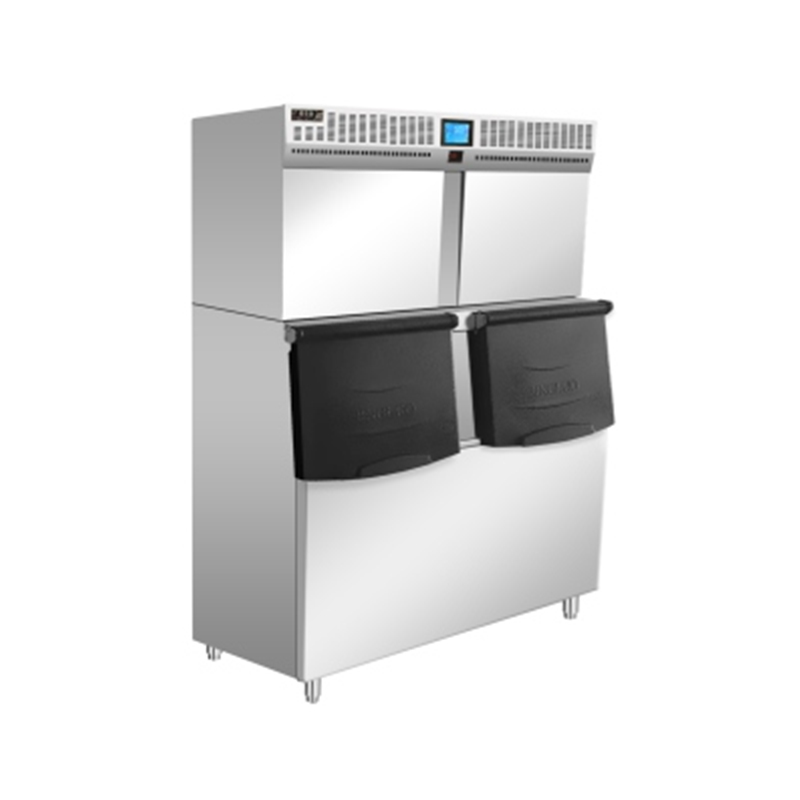
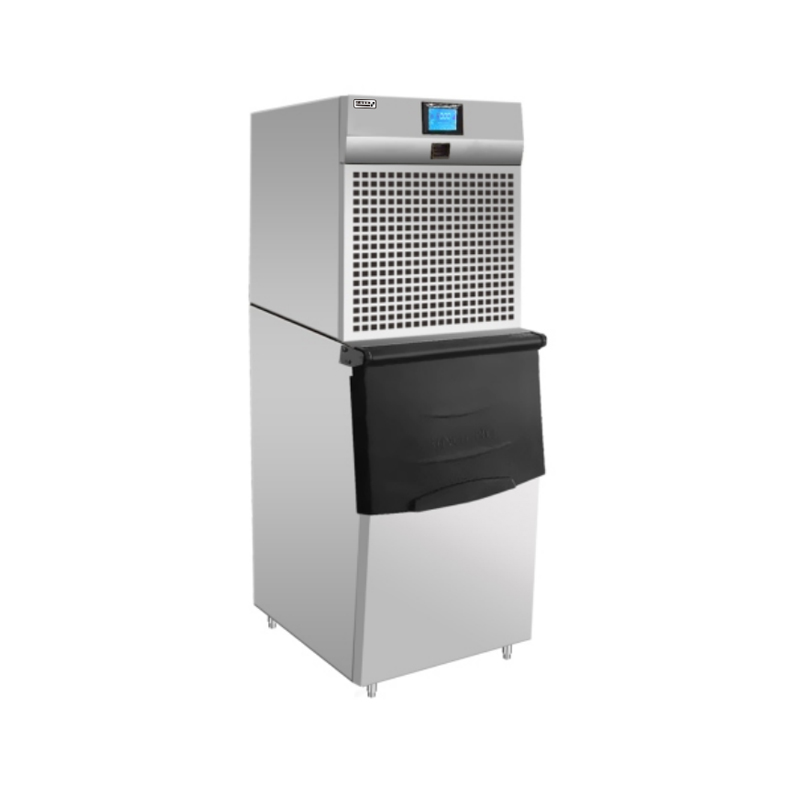
Air-Cooled vs. Water-Cooled: Typical Operating Characteristics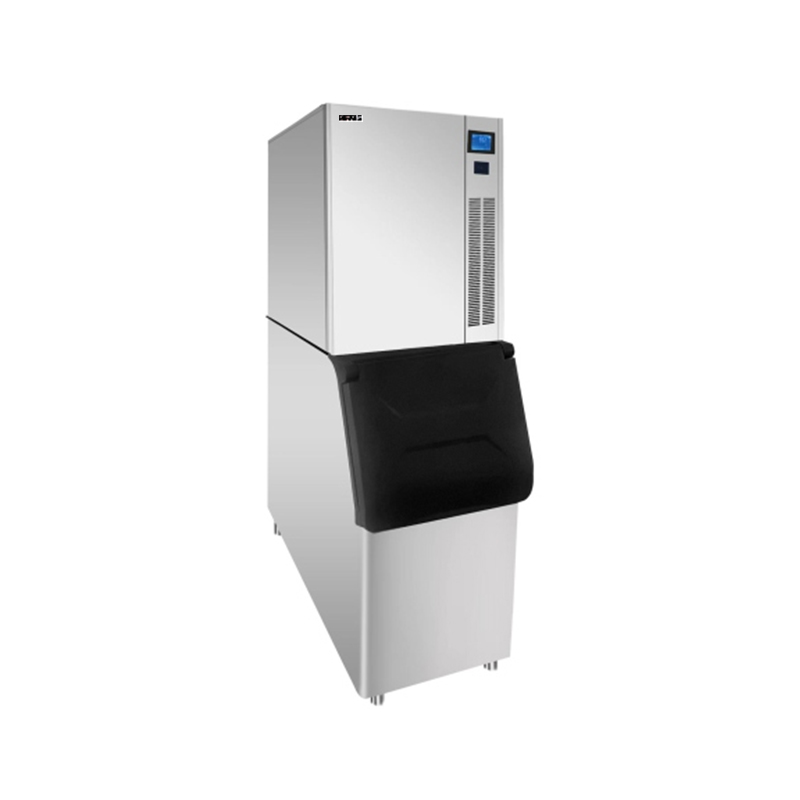 Closed-Loop Water Recycling Ice Maker for Commercial UseThis machine uses a patented water recycling system that cuts water consumption by over 99% and boosts ice production, making it ideal where water is costly or restricted.View Product →
Water cooling makes sense in specific environments, not everywhere. Use it in these scenarios:
If your kitchen is well-ventilated and stays below 80°F, a well-installed air-cooled machine is usually cheaper to own. You will pay a bit more for water and a water line, but the peace of mind during summer peaks is often worth it.
For a practical comparison of air-cooled systems, read our air-cooled commercial ice maker buying guide. It explains capacity ratings in a way that will help you weigh the trade-off honestly.
Water cooling is a condenser option, not a guarantee of ice quality. You still need to choose the production rate and ice shape that matches your menu. A café that uses 400 pounds of ice on a Saturday needs a different machine than a quick-service restaurant that only uses ice for beverages. Oversizing is expensive because you pay for water and electricity to make ice you do not use. Undersizing leads to ice shortages and expensive emergency calls.
These are the most common ice types for commercial water-cooled machines:
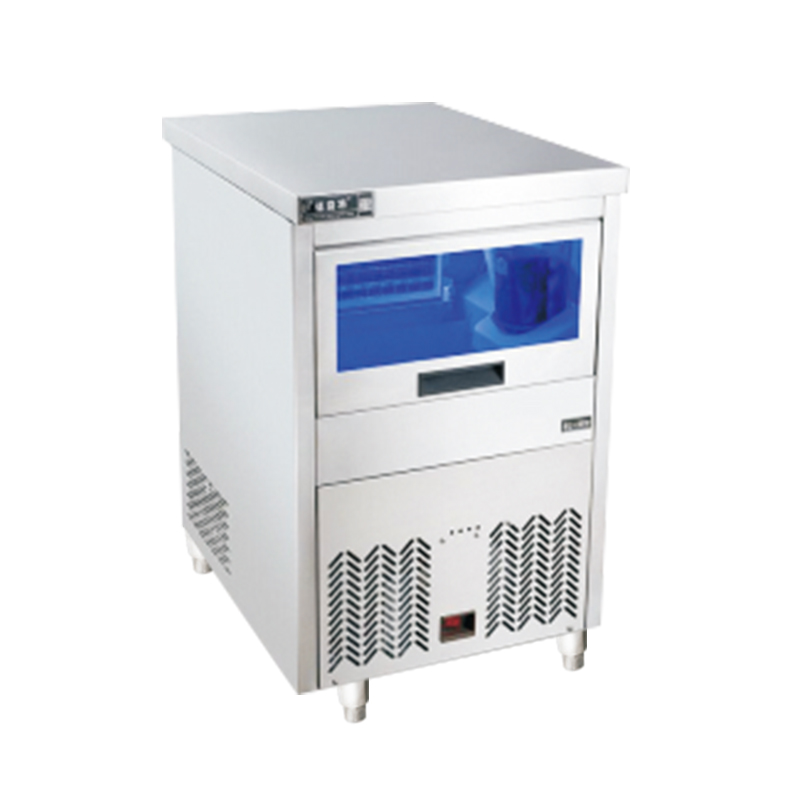
If you decide on square cubes, our 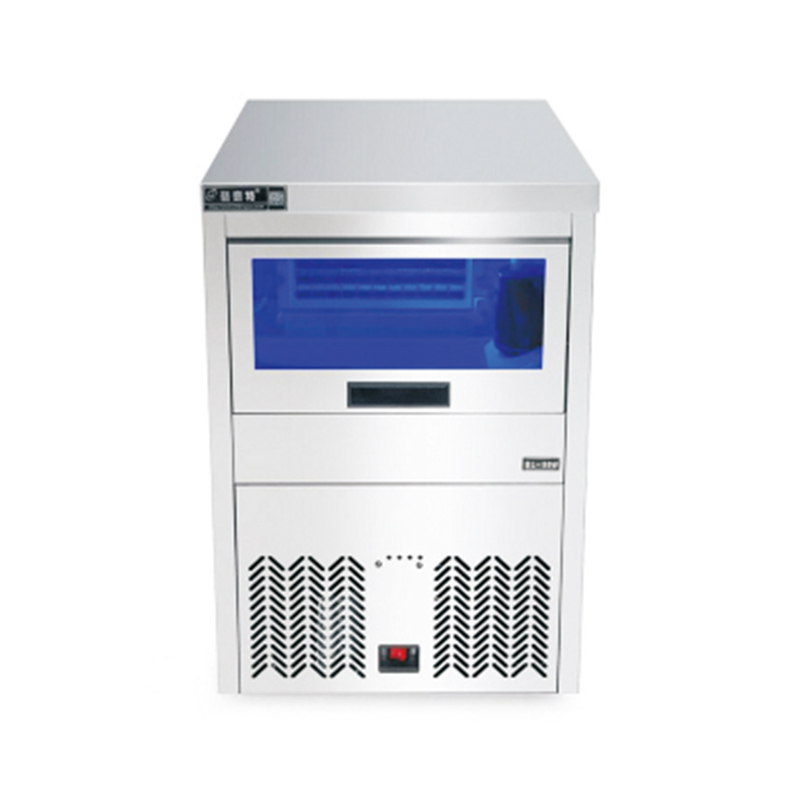 Square Cube Ice Machine with Smart LCD and UV SterilizationDesigned for under-counter or modular installations, this unit offers adjustable ice thickness, one-button cleaning, and corrosion-resistant evaporator for reliable service.View Product → line offers machines sized for under-counter and modular installations. For high-volume operations that need large, slow-melting cubes, a jumbo cube machine is worth considering because it produces bigger pieces that are less prone to dilution in tall glasses.
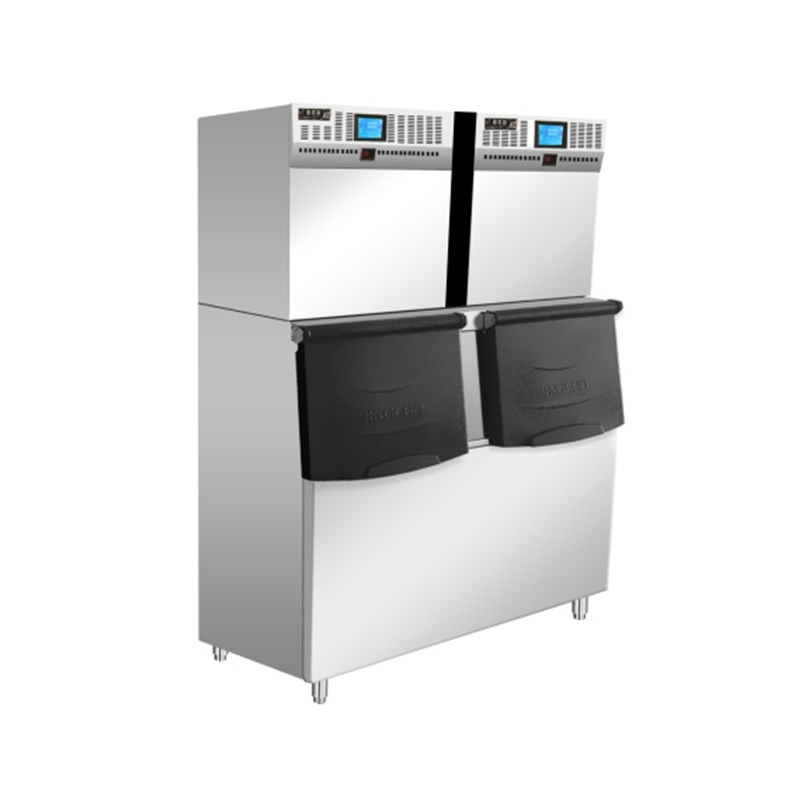
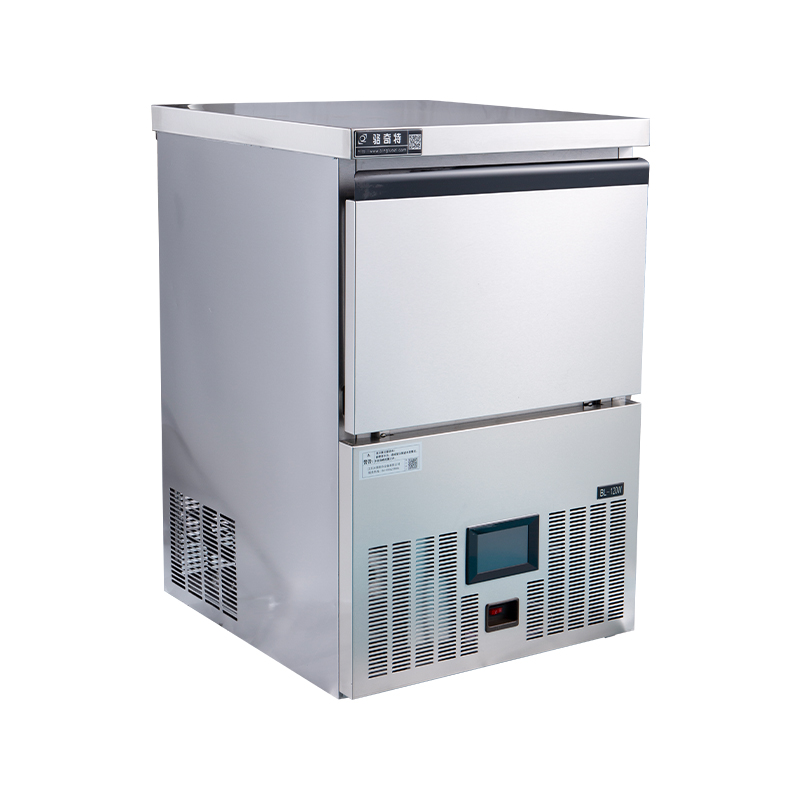 Jumbo Square Cube Ice Machine for Premium Bars and HotelsProduces 30mm and 50mm slow-melt, crystal-clear cubes with whisper-quiet operation and UV sterilization, suited for high-end cocktail and hospitality settings.View Product →
Installing a water-cooled ice maker is more involved than an air-cooled unit. You need a dedicated cold-water supply line with adequate pressure and flow, a drain line that can handle the condenser discharge plus the melt-off from the bin, and sometimes a cooling tower or recirculation pump if you want to reduce city water usage. The water quality also matters. Hard water will quickly scale the condenser tubes, so a water filter or softener should be considered part of the installation budget.
Clearance around the machine is less critical than with air-cooled units, but you still need enough space for service access. A typical under-counter water-cooled unit requires about 18 inches of space in front so the technician can reach the compressor and water regulator. Do not bury the machine in a corner that makes maintenance impossible.
The plumbing connections are usually 3/8-inch or 1/2-inch copper or braided lines, and the drain is often a 3/4-inch line. Local plumbing codes may require an air gap for the drain, so talk to a licensed plumber before the machine arrives. For a more detailed breakdown, see our commercial ice machine installation requirements guide.
Scale is the biggest enemy of a water-cooled condenser. Even a thin layer of mineral deposit reduces heat transfer and forces the water regulating valve to open wider, increasing water usage. Over time, the compressor runs hotter and the machine produces less ice. A simple cleaning schedule—every three months for moderate water hardness, more often for very hard water—extends equipment life and keeps operating costs predictable.
Daily attention is simple: check that water pressure is steady, look for leaks at the fittings, and make sure the drain is not clogged with slime. Weekly, wipe down the bin and door gaskets. Monthly, inspect the water filter and replace it if the pressure drop is noticeable. Annual professional servicing should include condenser coil cleaning or descaling, depending on whether the condensing side is water-cooled or air-cooled.
A water-cooled ice maker costs more upfront and adds a water bill, but it can be the smartest purchase for a business that depends on consistent ice production in a harsh thermal environment. The key is to audit your actual conditions before buying. Measure the ambient temperature of the location where the machine will sit during the hottest month of the year. Check your local water rates and sewer charges. Count the hours you operate at peak demand.
When those numbers add up to a challenging heat-rejection situation, the extra photos of a water-cooled unit quickly outweigh the savings from a cheaper air-cooled machine. Talk to your equipment supplier about the ice volume you need, the water quality available, and the space constraints. A reliable commercial ice maker should last ten years or more; choosing the right cooling method is what makes it last that long.

No.8 Xinhua Road, Dianshanhu Town, Kunshan City, Suzhou, Jiangsu Province, China
Call Us: +86-18217685733 / +86-18221531811
E-mail: [email protected] / [email protected]
Copyright © Jiangsu Bingluo Refrigeration Equipment Co., Ltd. All Rights Reserved. Commercial Refrigeration Equipment Solutions