
 English
 русский
 Español
 عربى
عربىIndustry News
2026-07-22
Industry News
Ice Maker Machine: Should You Get One? A No‑Nonsense Guide
Content
- 1 Do You Really Need an Ice Maker Machine? Know the Types First
- 2 Three Core Questions Before You Buy an Ice Maker
- 3 Using Your Ice Maker Machine: Details That Make or Break Experience
- 4 Skipping Maintenance? Your Ice Maker Dies in Two Years
- 5 Common Ice Maker Troubleshooting: Don't Call Service Yet
- 6 Budget Guide: Which Ice Maker Machine to Buy in 2026?
Do You Really Need an Ice Maker Machine? Know the Types First
As soon as summer hits, many people start thinking about buying an ice maker machine, but a quick browse online reveals a dizzying range of prices—from under $50 to over $500—and a confusing list of specs. Before you spend any money, the most important question is: what scenario will you use this ice maker in? How much ice do you need daily? What shape of ice do you prefer? Answering these will make your choice much easier.
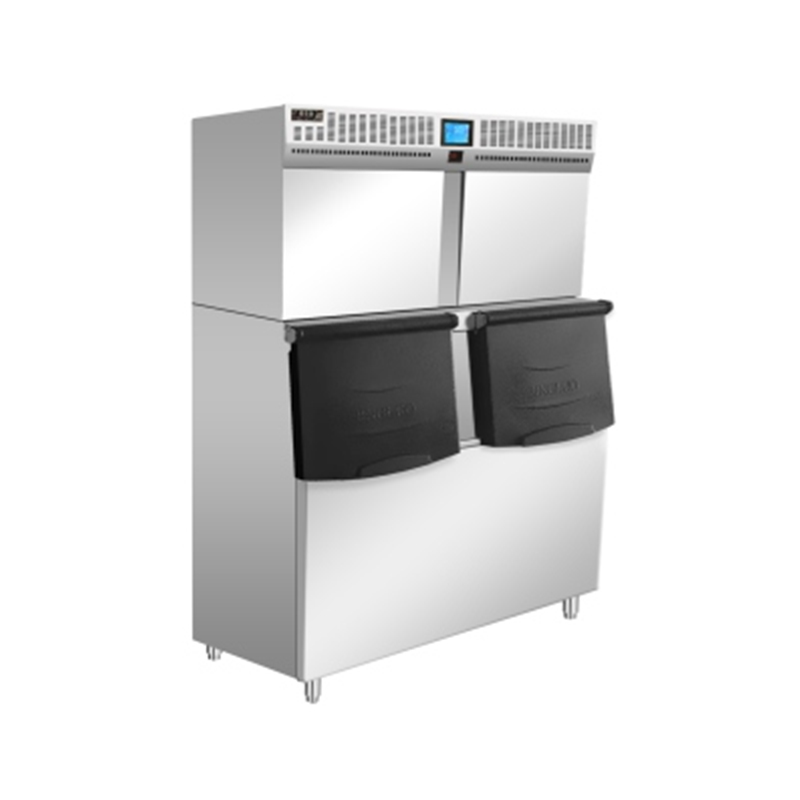
Today's consumer ice makers fall into two main categories: standalone ice maker machines and built-in refrigerator ice makers. Standalone units are flexible and fast, while built-in models save counter space and offer seamless integration. Within standalone units, you also have compressor-based and thermoelectric (Peltier) cooling systems.
Compressor vs. Thermoelectric: Don't Regret Your Choice
Compressor-based cooling is essentially a miniaturized refrigerator system that uses refrigerant phase change to produce ice. It's efficient, fast, and yields hard, solid ice. A good compressor can achieve a COP (coefficient of performance) of 2.8–3.2, and the first batch of ice can be ready in as little as 6–15 minutes. The density of cube ice from a compressor machine can reach 0.92 g/cm³, lasting over 2 hours at room temperature without fully melting.
Thermoelectric cooling uses the Peltier effect—simple construction and virtually silent operation, but low efficiency and poor performance in hot environments. Ice produced is softer and melts faster. COP values for thermoelectric units are typically 0.5–1.0, and ice takes 30+ minutes to form. When shopping for a home ice maker, always prioritize compressor-based models. Thermoelectric units are better suited for occasional portable use or ultra-quiet environments—don't rely on them as your primary ice source.
Standalone vs. Built-in: A Quick Comparison Table
If you use a lot of ice daily and have counter space, go standalone. If you use less and kitchen space is tight, an integrated unit saves room. Here's a clear breakdown:
| Feature | Standalone Ice Maker | Built-in Refrigerator Ice Maker |
| Daily Ice Production | 10–2000 kg; home units typically 12–35 kg | Limited by refrigerator space, usually smaller |
| Ice Making Speed | Fast units produce in 6–10 minutes | Slower because whole fridge cools first |
| Space Occupied | Requires dedicated counter/floor space | No extra space needed |
| Cleaning & Maintenance | Removable water tanks and tubes, easy to clean | Tubing cleaning is more difficult; relies on self-clean functions |
One extra detail not in the table: built-in ice makers depend on the refrigerator's compressor—if that fails, you lose ice making too. A standalone ice maker machine, on the other hand, is independent; if it breaks, your fridge still works fine.
Three Core Questions Before You Buy an Ice Maker
Choosing an ice maker isn't complicated—just focus on three things: how much ice you need per day, what ice shape works best, and whether the unit fits your usage scenario. Answer these, and you'll have a clear path.
Step 1: Calculate Your Daily Ice Demand
The most fundamental step is knowing your daily ice consumption. If each drink needs about 150 grams of ice, multiply that by the number of drinks you serve daily. Here are reference figures for different scenarios:
- Single apartment or dorm: 12–15 kg/day unit is enough
- Family of three or occasional parties: 25–30 kg/day gives you buffer
- Street stall with 50–100 cups daily: look for 30–50 kg/day
- Small bubble tea shop with 100–300 cups: around 70 kg/day is safe
- Chain stores or peak‑hour heavy use: only then consider 100+ kg/day commercial units
Always leave a 30% capacity buffer to handle summer peaks and unexpected rushes.
Step 2: Ice Shape Determines Usage—Choose Wrong and Waste Money
Ice shape isn't just about looks; it directly affects drink taste and application. Most ice maker machines produce one of these main types:
- Full Cube Ice: The all-rounder—hard, slow-melting, density ~0.92 g/cm³, melts 30% slower than regular ice at 25°C. Perfect for milk tea, coffee, cocktails—the top choice for cafes and tea shops.
- Crescent (Half‑moon) Ice: Has a hole in the middle, high clarity, visually appealing, and doesn't scratch cups. Suits iced coffee, sparkling water, lemonade, with moderate melt speed. Machines for crescent ice cost about 20% more than cube models.
- Bullet Ice: Hollow cylindrical shape, large surface area for rapid cooling. Fast production (6–8 minutes), but lower density (~0.85 g/cm³) and melts noticeably in 30–40 minutes. Good for home slushies or fast‑food settings.
If you only make one type of beverage, match the ice to that product. For versatile use, cube‑ice machines offer the widest compatibility.
Step 3: Match Core Specs to Your Usage Scenario
Different scenarios emphasize different parameters. For home use, focus on size, noise, and ease of use—units 22–28 cm wide with noise levels around 45–48 dB are ideal. For street stalls or mobile setups, portability and flexible water supply matter—models that support manual fill, bucket water, or self‑priming are more practical. For fixed commercial locations, stability and maintenance ease are key—stainless steel bodies resist grease and are easy to clean, while auto‑clean functions reduce labor costs.
Using Your Ice Maker Machine: Details That Make or Break Experience
Bringing an ice maker home isn't just plug‑and‑play forever—installation, daily use, and maintenance all affect performance. Get them right, and the machine lasts years; get them wrong, and you'll face slow ice production, off‑taste ice, or even total failure.
Wrong Placement Halves Your Ice Output
Install your ice maker away from heat sources, out of direct sunlight, and in a well‑ventilated area. Ambient temperature should stay below 35°C to prevent condenser overheating. The floor must be solid and level—an unlevel unit leads to poor ice release and excess noise. Leave at least 30 cm of clearance on the back and sides, and 60 cm above. Tests show that every 5°C increase in condenser inlet air temperature raises compressor power consumption by about 7.3% on average.
Water Quality Determines Ice Purity
The water used should meet drinking water standards, and a water filter is strongly recommended to remove impurities and prevent tube blockages. For tap‑fed units, install a pre‑filter and replace it every 3–6 months. If water hardness exceeds 120 ppm, add a water softener too. Clogged inlet screens reduce water flow by 30%, causing under‑filled molds and longer compressor idle times. Keeping water inlet temperature around 15°C can shorten each ice‑making cycle by about 9%.
Save Electricity Smartly
The key to saving power is sensible usage and regular maintenance. Avoid turning the unit on and off repeatedly—during continuous use, keep it in standby mode, as cold‑start compressor current can spike to 3.2 times the rated value. Most standalone units draw 150–250W, costing less than $0.15 per day in electricity. A Grade‑1 energy‑efficient model can save 255–620 kWh per year compared to Grade‑3.
Skipping Maintenance? Your Ice Maker Dies in Two Years
Inside an ice maker, humidity is constant—a perfect breeding ground for bacteria. If you notice cloudy ice, spots, scale buildup, irregular shapes, easy crumbling, or sticking together, or if ice production slows noticeably, it's time to clean.
Cleaning Frequency: How Often?
Routine cleaning every 1–2 months is recommended. If you use the unit heavily or have hard water, shorten that to every 2–3 weeks.
Four‑Step Cleaning You Can Do at Home
- Safety prep: Unplug, discard remaining ice, and remove removable parts like the ice basket and scoop.
- Clean accessories: Rinse with warm water; for stubborn stains, use a mild detergent—never strong acids or alkalis.
- Internal cleaning: If your unit has a self‑clean function, follow the manual. If not, mix a dedicated cleaner or white vinegar (diluted) into the water tank, run a full ice cycle, then flush repeatedly with fresh water.
- Dry and inspect: Thoroughly dry inside and out, especially water reservoirs and tubes, then reassemble and test.
Every two months, use a soft brush and vacuum to clean condenser fins—never spray water on them. Check machine levelness quarterly; a tilt over 0.5° affects ice release and causes repetitive cycles.
Common Ice Maker Troubleshooting: Don't Call Service Yet
Most ice maker issues stem from four core modules: water circuit, refrigeration cycle, temperature sensors, and electrical controls. Many can be diagnosed and fixed at home.
No Ice? Check These Three
If the machine runs but produces no ice, start with water supply, heat dissipation, or refrigerant problems. First, ensure the water tray has sufficient level—if it's below one‑third of the mold height, inspect the inlet hose for kinks or loose connections. Then, unplug and remove the inlet valve screen, rinse it—this screen should be cleaned every two months; long‑uncleaned ones have a blockage rate as high as 73.6%. If water still doesn't flow, the pump motor may be damaged and needs replacement.
Use an infrared thermometer to check condenser surface temperature. If it exceeds 75°C after 30 minutes of running, that indicates poor heat dissipation. Shut down immediately, and use a vacuum with a soft brush to clear dust between the condenser fins. Also, verify the unit has adequate ventilation around it.
Slow or Thin Ice? Refrigeration System May Be Failing
If the compressor runs but the evaporator doesn't frost, or ice is soft and thin, first check condenser heat dissipation—if fin temperature exceeds 65°C, it's likely clogged. Next, inspect refrigerant status: observe the sight glass for continuous large bubbles, which indicate low refrigerant—this requires a certified technician. If the ice cycle extends to 1.8 times the normal duration and ice hardness drops significantly, professional recharging is needed.
Budget Guide: Which Ice Maker Machine to Buy in 2026?
The home ice maker market continues to grow in 2026, with options from $50 entry‑level to $500+ professional units, covering everyone from solo renters to large families. Here's a budget‑based guide:
- $50–$100 entry: For single renters, dorms, or infrequent home use. Compact countertop size, claimed 12 kg/day. Typical models: smaller brands.
- $100–$200 mid‑range: Suits family gatherings and light mobile vending. Claimed 12–35 kg/day—popular for most homes and small coffee carts.
- $200–$500 countertop commercial: For community shops, convenience stores, or fixed stalls.
- Over $500 professional: For chain stores or 500+ daily cups—overkill for average users.
Choosing an ice maker machine ultimately comes down to matching your real needs—don't pay for excess capacity at home, and don't skimp on capacity if you're running a busy shop. We hope this guide helps you find the perfect ice maker and enjoy ice freedom all summer long.
Related Products


No.8 Xinhua Road, Dianshanhu Town, Kunshan City, Suzhou, Jiangsu Province, China
Call Us: +86-18217685733 / +86-18221531811
E-mail: [email protected] / [email protected]
Copyright © Jiangsu Bingluo Refrigeration Equipment Co., Ltd. All Rights Reserved. Commercial Refrigeration Equipment Solutions
