 English
 русский
 Español
 عربى
عربىIndustry News
Home / News / Industry News / Ice Maker Machine: How to Pick the Right One, Set It Up, and Keep It Running
2026-03-10
Content
An ice maker machine is an appliance that automates the process of freezing water into ice in a repeatable, continuous cycle — removing the need for manual ice trays and providing a steady, on-demand supply of ice in various shapes and sizes. While the basic concept sounds simple, the internal mechanics vary significantly between different types of ice making machines, and understanding those differences is key to choosing the right unit for your needs.
Most home ice maker machines operate using a refrigeration cycle similar to a standard freezer. A compressor pressurizes refrigerant, which flows through a condenser where it releases heat, then through an evaporator where it absorbs heat from water — causing the water to freeze rapidly. In countertop and portable ice makers, water is poured into a reservoir and fed onto metal prongs or into molds that the refrigerant chills to below freezing. Once ice forms to the correct size, a brief warming cycle releases the cubes, which fall into a storage bin below.
More advanced undercounter and commercial ice maker machines use a continuous water flow system where water is sprayed or circulated over a freezing surface repeatedly, building up clear, dense ice in layers. This method produces the hard, slow-melting ice cubes commonly seen in restaurant and hotel settings — a notable quality difference from the softer, cloudy ice produced by single-freeze portable units. Understanding which production method a machine uses will tell you a great deal about the quality, clarity, and melt rate of the ice it produces.
The ice maker machine market covers a wide spectrum from compact portable units for personal use to large-capacity commercial machines for foodservice operations. Knowing which category fits your situation prevents you from over-spending on features you don't need — or under-buying and ending up with a machine that can't keep up with demand.
Portable ice makers are freestanding countertop units that require no plumbing connection — you simply fill the water reservoir manually and the machine begins producing ice within 6–15 minutes of being switched on. They're compact, affordable, and ideal for apartments, small kitchens, home bars, RVs, and outdoor entertaining. Most portable ice maker machines produce bullet-shaped or cylindrical ice in two or three size settings, and cycle times are fast — a typical unit produces around 26–35 lbs of ice per day.
The key limitation of portable ice makers is that they don't freeze ice — they only make it. The storage bin is not refrigerated, so ice melts back into water in the reservoir, which then gets re-frozen into new ice. This means they're not suitable for making ice in advance and storing it for later. If you need a supply on hand whenever you want it, a countertop ice maker machine needs to be running continuously or you need to transfer ice to a separate freezer for storage.
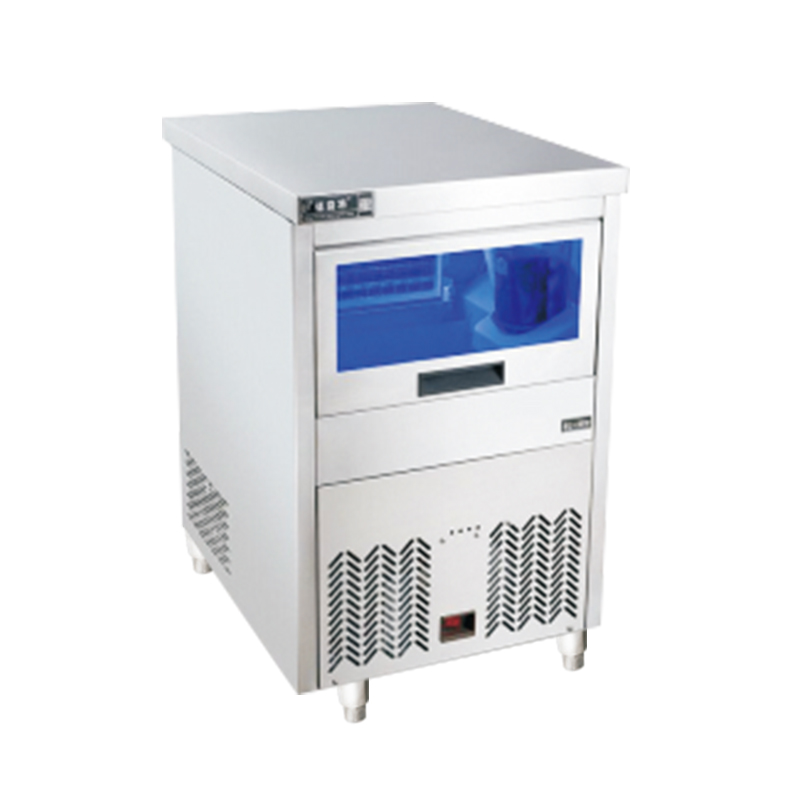
Undercounter ice makers are built-in appliances designed to fit beneath a standard countertop (typically in a 15-inch or 18-inch wide configuration) and connect directly to a water supply line and drain. They function more like a mini-appliance than a portable gadget — once installed, they operate continuously and maintain a refrigerated storage bin that keeps ice frozen until you need it. Daily production capacities for undercounter units typically range from 25 to 80 lbs, making them well-suited for home kitchens, wet bars, and small office settings.
Because they use a recirculating water system, undercounter ice makers generally produce clearer, harder, and slower-melting ice than portable units. Installation requires access to a cold water supply line and a drain connection, which adds cost and complexity compared to a plug-and-go portable machine. However, for anyone who uses ice daily and wants a truly seamless, automatic supply, an undercounter ice making machine is a significantly better long-term investment.
Nugget ice — also called pellet ice, chewable ice, or "Sonic ice" — has developed a devoted following among consumers who prefer its soft, chewable texture and superior drink-cooling properties. Nugget ice is formed by compressing shaved ice flakes into small, cylindrical pellets. It absorbs flavor from beverages as it melts and is the preferred ice style for soft drinks, smoothies, and healthcare settings where patients need to chew ice safely.
Nugget ice maker machines like the GE Profile Opal and several models from brands like Euhomy and Silonn have brought this format into the home market. These units are more expensive than standard bullet-ice countertop machines but have attracted strong demand because nugget ice was previously only available from specific fast-food chains. Countertop nugget ice makers typically produce 24–30 lbs per day and do require access to a power outlet, but most don't need a drain or plumbing connection.
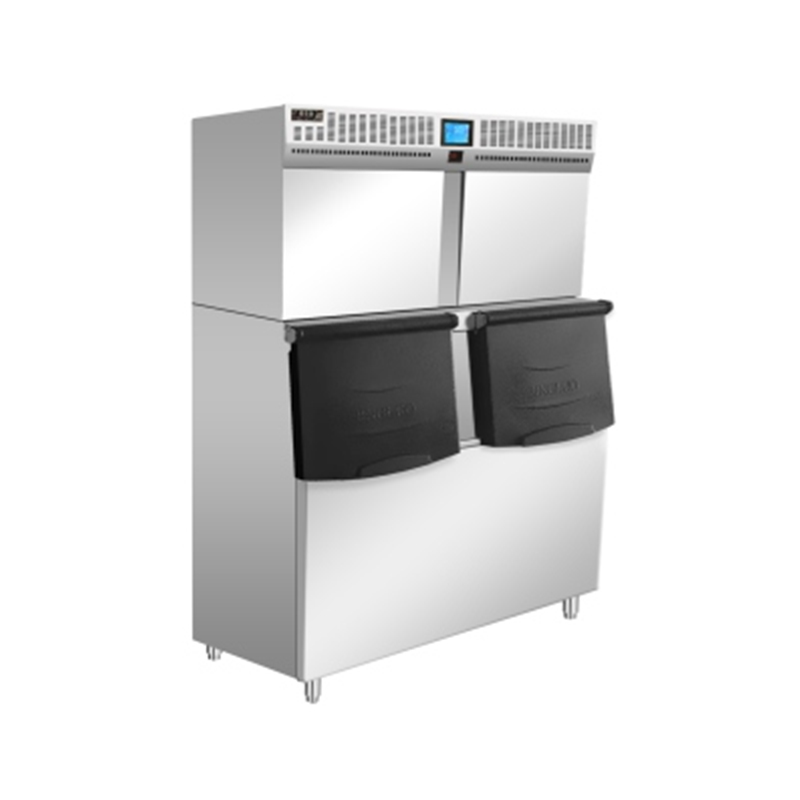
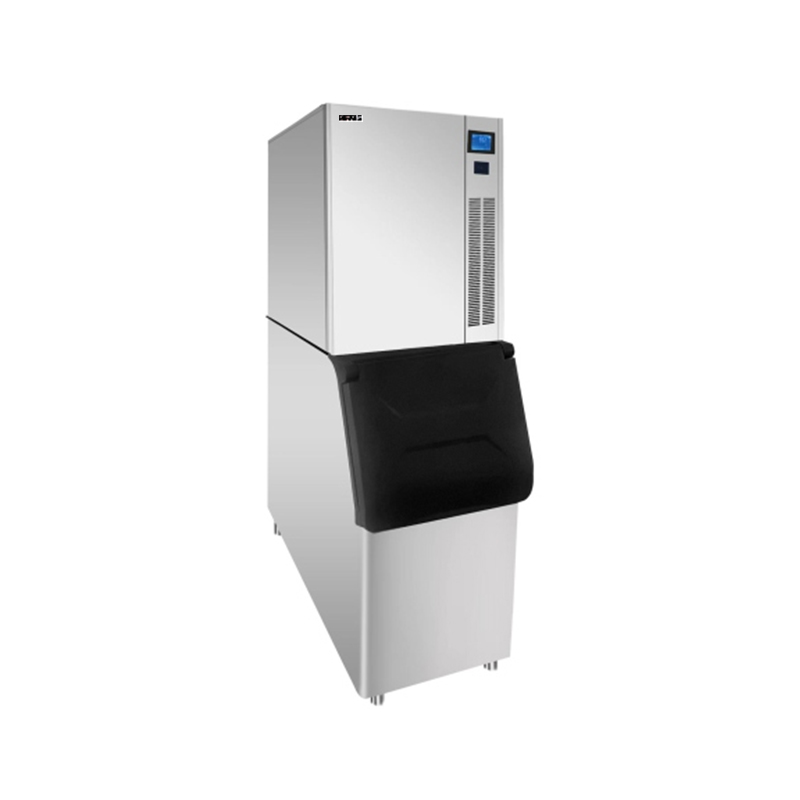
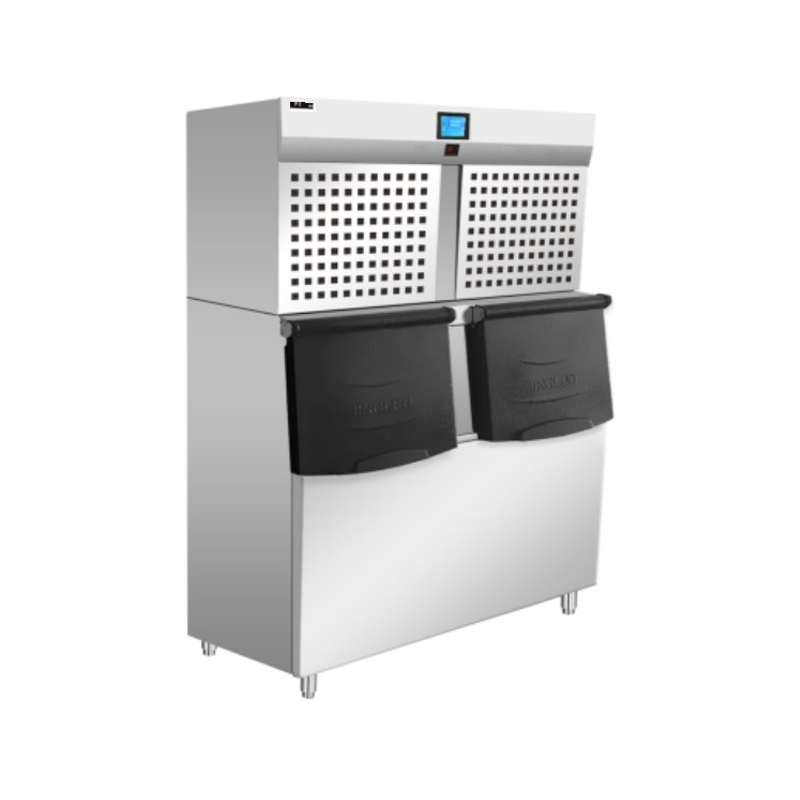
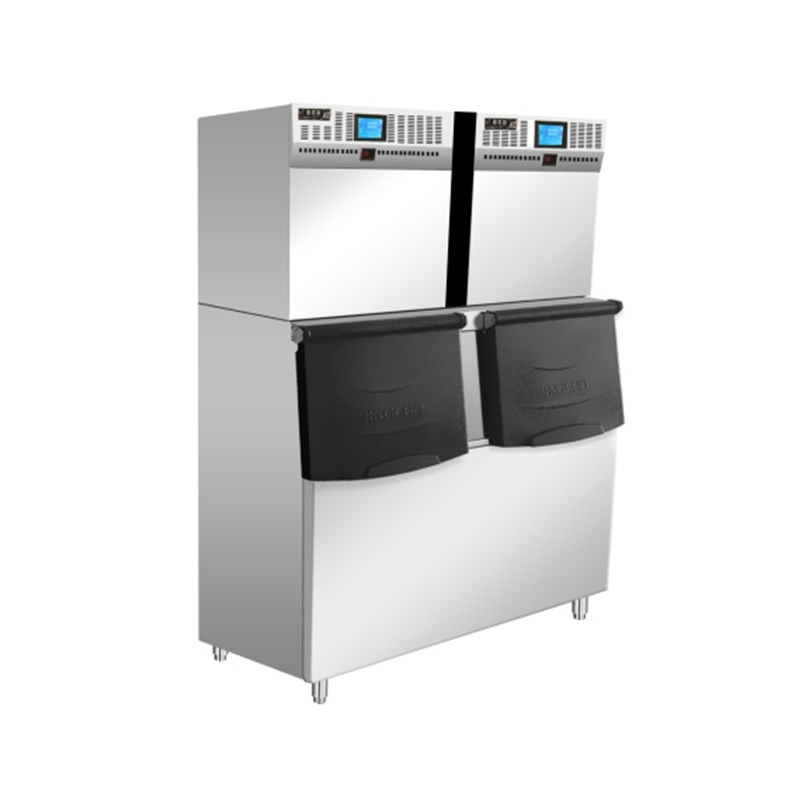
Commercial ice makers are high-capacity modular or self-contained units designed for restaurants, hotels, bars, hospitals, and other high-demand environments. These machines produce anywhere from 100 lbs to over 1,000 lbs of ice per day and are built for continuous, around-the-clock operation. Commercial ice making machines are typically sold as modular heads that sit atop a separate storage bin — allowing you to match production capacity to storage capacity based on your specific demand patterns.
For commercial use, ice type matters significantly. Full cube, half cube, crescent cube, flake, and nugget are the most common commercial ice formats, each suited to different applications. Full and half cubes are standard for beverages, flake ice is used in food display and healthcare, and crescent ice is popular for self-serve soda fountains because its shape fills cups efficiently. Choosing the correct ice type for your application is as important as selecting the right production capacity.
To make choosing easier, here's a direct comparison of the four main types of ice maker machines across the most important purchasing criteria.
| Feature | Portable / Countertop | Nugget Ice Maker | Undercounter | Commercial |
| Plumbing Required | No | No (most models) | Yes | Yes |
| Daily Production | 26–40 lbs | 24–30 lbs | 25–80 lbs | 100–1,000+ lbs |
| Ice Storage | Not refrigerated | Not refrigerated | Refrigerated bin | Insulated bin |
| Ice Quality | Soft, cloudy | Soft, chewable | Clear, hard | Clear, hard |
| Price Range | $80–$200 | $400–$700 | $500–$2,000 | $1,500–$10,000+ |
| Best For | Apartments, RVs, parties | Daily home use, drinks | Home kitchens, bars | Restaurants, hotels |
With so many options available, narrowing down the right ice cube maker machine comes down to honestly assessing a few key factors: how much ice you actually need, where the machine will live, whether you have plumbing access, what ice type you prefer, and what your budget is. Running through these questions systematically prevents both under-buying and overspending.
A useful starting point is estimating how many pounds of ice you typically use per day. As a general rule, a single person drinks approximately 1–2 lbs of ice per day in beverages. A household of four would therefore need around 4–8 lbs daily under normal conditions, rising to 20–30 lbs during parties or gatherings. If you're running a commercial operation, industry guidelines suggest planning for 1–1.5 lbs of ice per meal served and 3–4 lbs per hotel guest per day. Choose a machine with a daily production capacity at least 20% higher than your estimated peak demand to account for hot weather and high-usage days.
Ice maker machines generate heat through their compressor and condenser, and they need adequate ventilation to operate efficiently and maintain their rated production capacity. Portable countertop models need several inches of clearance around them and shouldn't be placed in enclosed cabinets. Undercounter units need proper airflow — most are front-venting to allow cabinet installation, but confirm this before purchasing. Ambient temperature also affects performance significantly: most ice making machines are rated at around 70°F ambient temperature, and production capacity can drop by 20–30% in a hot garage or outdoor kitchen environment reaching 90°F or above.
Ice shape directly affects melting rate, dilution, and aesthetic presentation. Full cubes melt the slowest and are ideal for spirits and cocktails where dilution control matters. Nugget ice absorbs flavor and is best for soft drinks, smoothies, and healthcare settings. Crescent ice has a large surface area and cools drinks quickly — it's practical for everyday household beverages. Flake ice is used primarily for food display, fresh seafood presentation, and physical therapy applications rather than beverage service. Think through your primary use case before defaulting to whatever shape is cheapest.
Proper setup from day one prevents the most common performance and hygiene issues that plague ice maker machines. Whether you're installing a countertop portable unit or plumbing in an undercounter machine, a few fundamental steps apply across the board.
Ice maker maintenance is the most commonly neglected aspect of ownership, and it's directly responsible for the majority of ice quality, taste, and odor complaints. The interior of an ice making machine is a warm, moist environment between cycles — exactly the conditions where mold, slime-producing bacteria, and mineral scale thrive. A proper cleaning and descaling routine prevents all of these issues.
For home portable ice makers used regularly, a full cleaning cycle every 1–2 months is appropriate. Undercounter machines should be cleaned every 3–6 months depending on water hardness and usage frequency. Commercial ice maker machines in high-use environments should be professionally cleaned and sanitized every 3 months at minimum — the FDA and NSF both recommend this frequency for foodservice ice makers. If you notice any change in ice taste, odor, or visible slime or scale inside the machine, clean it immediately regardless of the scheduled interval.
Most countertop portable ice makers have a self-cleaning mode that circulates a cleaning solution through the water system automatically. Use a food-safe ice machine cleaner (nickel-safe formulas are widely available) mixed according to the manufacturer's instructions, run the cleaning cycle, then follow with 2–3 cycles of plain water to rinse. Wipe down the interior of the ice storage bin and the water reservoir with a clean cloth dampened with diluted white vinegar or the cleaning solution. Pay particular attention to the ice-making prongs or molds, as scale accumulation here directly affects ice formation quality.
Mineral scale (limescale) accumulates on evaporator plates, water distribution tubes, and pump components in any plumbed ice maker machine. Descaling involves running a food-grade descaling solution — typically a citric acid or phosphoric acid-based product — through the water system to dissolve mineral deposits. Most manufacturers specify their approved descaling product, and it's worth using the recommended brand to avoid voiding warranty coverage. After descaling, a sanitizing cycle with a diluted food-safe sanitizer (such as a sodium hypochlorite solution) eliminates any remaining bacteria before returning the machine to ice production.
Most ice maker machine problems fall into a predictable set of categories with identifiable causes. Before calling for service or considering replacement, work through the following common issues and their solutions.
Ice maker machines run continuously when in use, so their energy consumption adds meaningfully to household or business electricity bills over time. Understanding the energy profile of different machine types helps you factor operating costs into your total cost of ownership calculation — not just the upfront purchase price.
A typical portable countertop ice maker draws around 100–200 watts during operation. Running it for 12 hours per day at an average electricity rate of $0.15/kWh costs approximately $0.09–$0.18 per day — very affordable. An undercounter ice maker is more energy-intensive, typically drawing 150–400 watts continuously, which works out to roughly $0.22–$0.58 per day for 24-hour operation. Commercial ice maker machines vary widely, but a mid-size 300 lb/day unit may draw 1,200–2,000 watts continuously, costing $4.00–$7.20 per day in electricity alone.
ENERGY STAR-certified ice maker machines are available across all categories and typically consume 10–20% less energy than non-certified equivalents. For commercial operators especially, choosing an ENERGY STAR-rated ice making machine pays back its potentially higher purchase price through lower utility bills within a relatively short timeframe. Water consumption is also worth evaluating for commercial units — less efficient machines use significantly more water per pound of ice produced, which directly impacts water costs and environmental footprint.

No.8 Xinhua Road, Dianshanhu Town, Kunshan City, Suzhou, Jiangsu Province, China
Call Us: +86-18217685733 / +86-18221531811
E-mail: [email protected] / [email protected]
Copyright © Jiangsu Bingluo Refrigeration Equipment Co., Ltd. All Rights Reserved. Commercial Refrigeration Equipment Solutions