
 English
 русский
 Español
 عربى
عربىIndustry News
2026-03-04
Industry News
Why Your Kitchen Needs Commercial Hot Water Dispensers
Content
Choosing the Right Commercial Hot Water Dispensers for Your Business
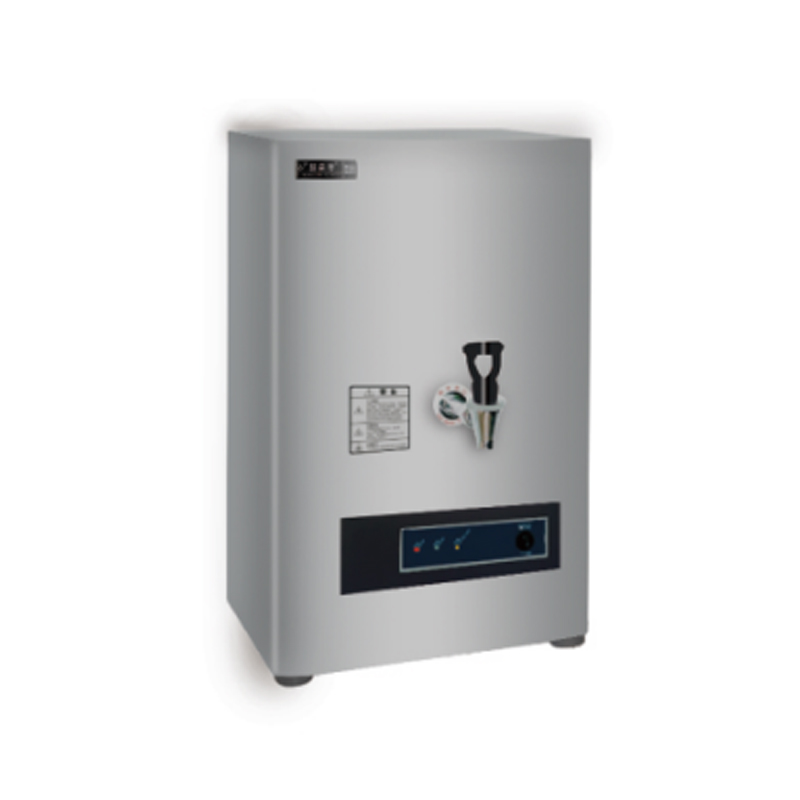
When you are running a high-volume cafe, restaurant, or office breakroom, waiting for a kettle to boil is simply not an option. Commercial hot water dispensers are designed to provide a constant, on-demand supply of near-boiling water, which is essential for making tea, French press coffee, oatmeal, or instant soups. The primary decision most business owners face is between a plumbed-in model and a pour-over unit. Plumbed-in industrial water boilers are connected directly to your water line, ensuring you never run dry during a morning rush, while portable units offer flexibility for catering events where a water hookup might not be available.
Temperature precision is another critical factor. Many professional hot water machines allow you to set specific temperatures to cater to delicate teas that require lower heat or boiling water for heavy-duty cleaning tasks. High-end models often feature digital thermostats that maintain heat within a single degree of accuracy, preventing the "scalded" taste that occurs when water is too hot, or the weak extraction that happens when it is too cool. Investing in a unit with heavy-duty insulation will also reduce heat loss, lowering your energy bills over time.
Key Features and Capacity Planning
To find the best fit for your workflow, you must calculate your "draw-off" capacity. This refers to how much hot water the unit can dispense in one go before the internal temperature drops significantly. For a busy diner, a 5-gallon tank might be necessary, whereas a boutique office might get by with a sleek 2-gallon counter-top version. Modern commercial hot water dispensers often include energy-saver modes that dim the heaters during overnight hours, significantly reducing operational costs without sacrificing performance during business hours.
Must-Have Features for Professional Units
- Dual-Voltage Options: Provides flexibility for different electrical setups in commercial kitchens.
- Thinsulate Insulation: Keeps the exterior cool to the touch while trapping heat inside the tank.
- Programmable Dispensing: Allows staff to set precise volumes for consistent cup filling and reduced waste.
- Low-Water Alarms: Prevents the heating element from burning out if the water supply is interrupted.
Maintenance and Longevity of Hot Water Machines
The biggest enemy of any commercial hot water dispenser is scale buildup. In areas with hard water, calcium and magnesium can accumulate on the heating elements, causing the machine to work harder and eventually fail. Utilizing an inline water filtration system is the best way to protect your investment. These filters remove sediment and minerals before they enter the tank, ensuring the water tastes fresh and the internal components remain clear of crusty deposits. Regular descaling—usually performed every three to six months—will keep the unit running efficiently and prevent costly service calls.
| Feature Type | Manual Pour-Over | Automatic Plumbed |
| Installation | Plug and Play | Requires Plumbing |
| Mobility | High (Portable) | Low (Fixed) |
| Output Volume | Limited by Tank | Continuous Flow |
Safety Considerations in High-Traffic Areas
Safety is paramount when dealing with boiling liquids. Most professional-grade commercial hot water dispensers come equipped with "thirst" faucets or locking mechanisms to prevent accidental burns. In self-service environments, like a hotel breakfast bar or a corporate cafeteria, these safety taps are essential for preventing litigation and keeping guests safe. Additionally, ensure your chosen unit is NSF (National Sanitation Foundation) certified, which guarantees the materials used are food-safe and the machine is easy to sanitize. Proper placement—away from counter edges and on a level, stable surface—is the final step in a safe and efficient setup.
Related Products

No.8 Xinhua Road, Dianshanhu Town, Kunshan City, Suzhou, Jiangsu Province, China
Call Us: +86-18217685733 / +86-18221531811
E-mail: [email protected] / [email protected]
Copyright © Jiangsu Bingluo Refrigeration Equipment Co., Ltd. All Rights Reserved. Commercial Refrigeration Equipment Solutions
