
 English
 русский
 Español
 عربى
عربىIndustry News
2026-04-08
Industry News
How to Choose and Use an Ice Maker Without Hassle
Content
- 1 What Is an Ice Maker and How Does It Work?
- 2 Types of Ice Makers and Their Practical Uses
- 3 Key Features to Consider Before Buying an Ice Maker
- 4 Comparison of Ice Maker Types
- 5 How to Maintain Your Ice Maker for Long-Term Performance
- 6 Common Problems and Practical Solutions
- 7 Practical Tips for Choosing the Right Ice Maker
What Is an Ice Maker and How Does It Work?
An ice maker is a specialized appliance designed to produce ice efficiently and consistently. Unlike traditional freezer trays, modern ice machines automate the freezing process, ensuring a steady supply of ice for households, restaurants, bars, and industrial applications. Most ice makers operate by pumping water into a mold, freezing it using a refrigeration cycle, and then releasing the formed ice into a storage bin.
The core components typically include a compressor, condenser, evaporator, and water supply system. These components work together to freeze water rapidly and maintain consistent ice quality. Depending on the type of machine, ice can be produced in cubes, nuggets, flakes, or crushed forms.
Types of Ice Makers and Their Practical Uses
Choosing the right type of ice maker depends on your usage scenario. Each type is designed for specific needs, from home convenience to commercial-scale production.
- Portable ice maker: Compact and easy to move, ideal for home kitchens, RVs, and small gatherings.
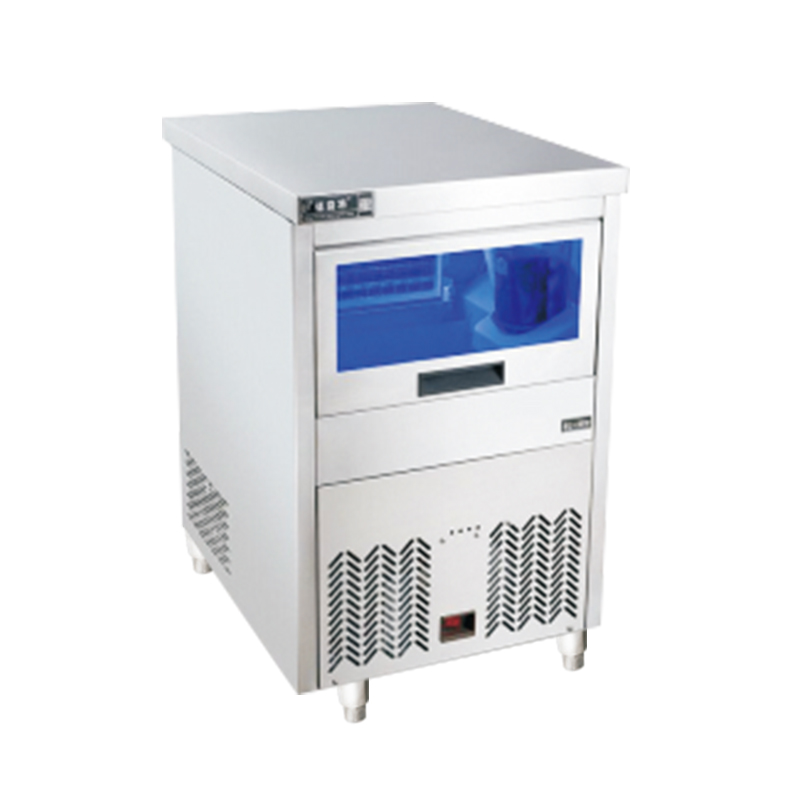
- Undercounter ice maker: Installed beneath countertops, suitable for bars and offices with moderate ice demand.
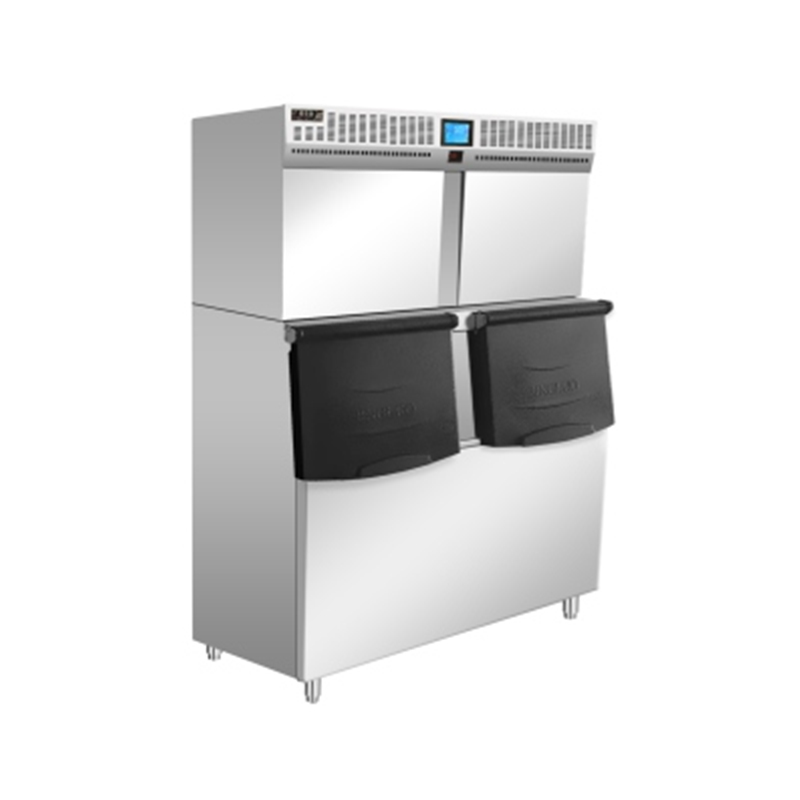
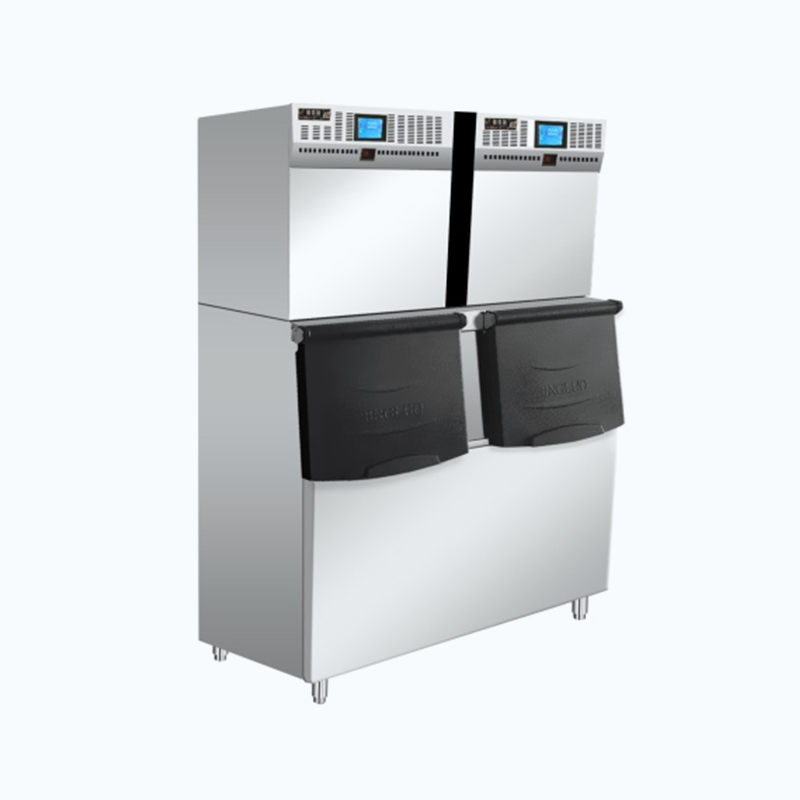
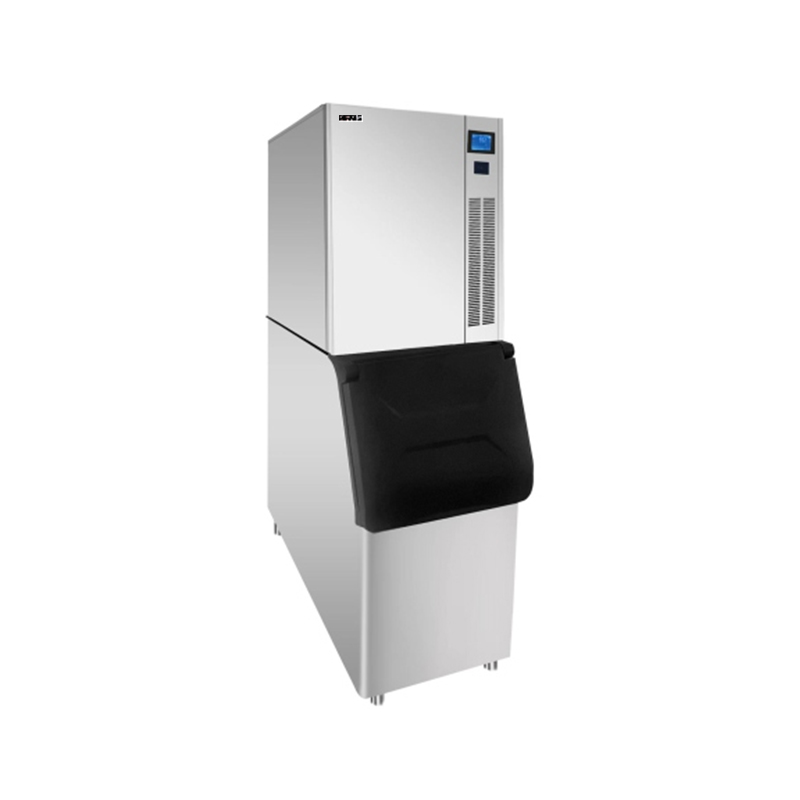
- Commercial ice maker: High-capacity machines designed for restaurants, hotels, and supermarkets.
- Built-in refrigerator ice maker: Integrated into refrigerators for convenient daily use.
Key Features to Consider Before Buying an Ice Maker
When selecting an ice maker, focusing on practical features ensures long-term efficiency and user satisfaction. Not all machines are created equal, so evaluating these aspects is essential.
Ice Production Capacity
Measured in kilograms or pounds per day, this indicates how much ice the machine can produce within 24 hours. For home use, 10–15 kg per day is usually sufficient, while commercial settings may require over 50 kg.
Ice Shape and Size Options
Different ice shapes serve different purposes. Cube ice is ideal for beverages, while flake ice is commonly used for food display and preservation. Nugget ice is popular for soft, chewable textures.
Water Supply System
Some ice makers require a direct water line connection, while others use manual water filling. Portable models typically feature built-in reservoirs for convenience.
Energy Efficiency
Energy-efficient ice machines reduce electricity consumption and operating costs. Look for models with optimized compressors and insulation.
Comparison of Ice Maker Types
| Type | Capacity | Best For | Installation |
| Portable Ice Maker | Low | Home & Travel | No Installation |
| Undercounter Ice Maker | Medium | Offices & Bars | Built-in |
| Commercial Ice Maker | High | Restaurants & Hotels | Professional Setup |
How to Maintain Your Ice Maker for Long-Term Performance
Proper maintenance is essential to keep your ice maker functioning efficiently and to ensure hygiene. Regular cleaning prevents scale buildup and bacterial contamination.
- Clean the water reservoir and ice bin at least once a week.
- Descale internal components monthly to prevent mineral buildup.
- Replace water filters regularly for better ice quality.
- Ensure proper ventilation to avoid overheating.
Common Problems and Practical Solutions
Even high-quality ice machines can encounter issues. Understanding common problems helps you troubleshoot quickly and minimize downtime.
Ice Maker Not Producing Ice
Check the water supply and ensure the machine is properly connected. Low water levels or clogged filters are common causes.
Ice Has Unpleasant Taste
This is usually due to dirty components or poor water quality. Regular cleaning and filter replacement can resolve this issue.
Slow Ice Production
Ensure the ambient temperature is within the recommended range and that ventilation is not blocked.
Practical Tips for Choosing the Right Ice Maker
Selecting the right ice maker is about matching the machine to your actual needs rather than choosing the most advanced model.
- Estimate your daily ice consumption before purchasing.
- Consider space availability and installation requirements.
- Choose durable materials like stainless steel for commercial use.
- Look for user-friendly controls and quick ice-making cycles.
Related Products


No.8 Xinhua Road, Dianshanhu Town, Kunshan City, Suzhou, Jiangsu Province, China
Call Us: +86-18217685733 / +86-18221531811
E-mail: [email protected] / [email protected]
Copyright © Jiangsu Bingluo Refrigeration Equipment Co., Ltd. All Rights Reserved. Commercial Refrigeration Equipment Solutions
