
 English
 русский
 Español
 عربى
عربىIndustry News
2026-08-05
Industry News
How Does a Modular Commercial Ice Maker Actually Work?
Content
- 1 What Is a Modular Commercial Ice Maker and How Does It Work?
- 2 Key Components of a Modular Commercial Ice Maker System
- 3 Modular Commercial Ice Maker vs. Self-Contained Ice Machines
- 4 Types of Ice Produced by Modular Commercial Ice Makers
- 5 How to Choose the Right Modular Commercial Ice Maker
- 6 Maintenance Practices That Keep a Modular Commercial Ice Maker Running Smoothly
- 7 Signs Your Modular Commercial Ice Maker Needs Repair
What Is a Modular Commercial Ice Maker and How Does It Work?
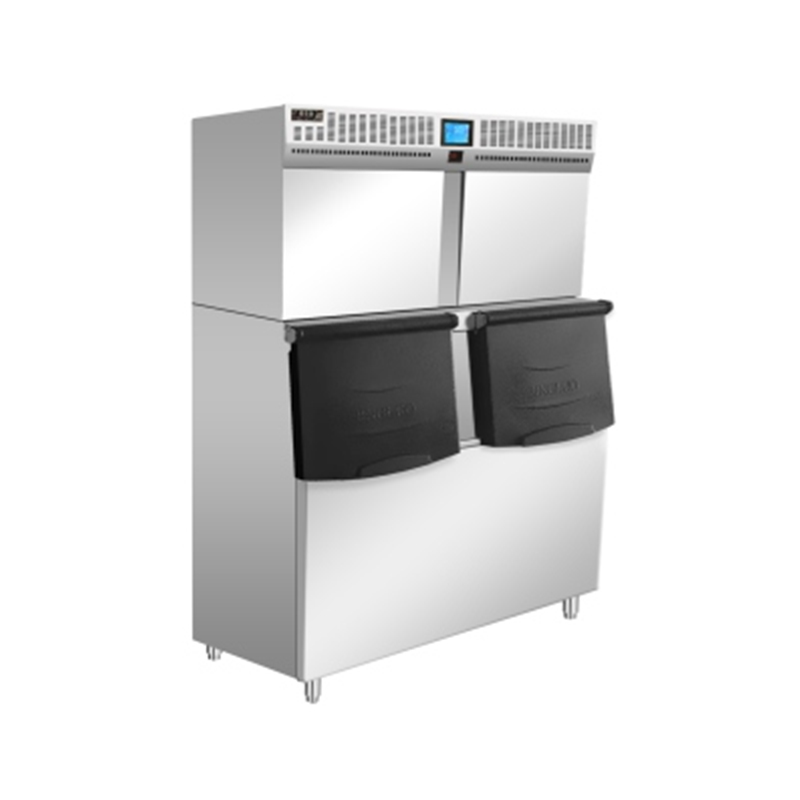
A modular commercial ice maker is a standalone ice-making unit designed to sit on top of a separate ice storage bin rather than housing the storage compartment within the machine itself. Unlike undercounter or self-contained ice machines, a modular commercial ice maker only produces ice, while the bin below handles storage and dispensing. This modular design gives restaurants, bars, hotels, and other high-volume operations the flexibility to mix and match ice-making heads with different bin sizes based on their specific storage needs.
Inside the unit, water is pumped over a metal evaporator plate where it freezes into ice cubes, flakes, or nuggets depending on the model. Once the ice reaches the correct thickness, a harvest cycle releases it into the bin below. Because the ice-making head and storage bin operate independently, a modular commercial ice maker is easier to service, upgrade, or reconfigure compared to fully integrated units.
Key Components of a Modular Commercial Ice Maker System
A complete modular commercial ice maker setup consists of several parts that work together to produce, store, and dispense ice efficiently.
- Ice-making head: The top unit that contains the compressor, evaporator, and water system responsible for actually freezing the ice.
- Storage bin: A separate insulated compartment placed underneath the head that holds finished ice until it's needed.
- Water filtration system: Filters connected to the unit that remove sediment, chlorine, and minerals to improve ice clarity and taste.
- Condenser: Either air-cooled or water-cooled, this component removes heat from the refrigeration cycle to keep the machine running efficiently.
- Control board: Manages harvest cycles, monitors bin fill levels, and shuts off production when the bin is full.
Modular Commercial Ice Maker vs. Self-Contained Ice Machines
Choosing between a modular commercial ice maker and a self-contained unit depends heavily on space, volume needs, and long-term flexibility. The comparison below highlights the main differences.
| Feature | Modular Commercial Ice Maker | Self-Contained Ice Machine |
| Storage flexibility | High, bin size is customizable | Fixed, limited by built-in bin |
| Ice production capacity | Higher, suited for large operations | Lower, best for smaller needs |
| Installation space | Requires separate head and bin footprint | Compact, all-in-one footprint |
| Serviceability | Easier, components can be swapped independently | More difficult, integrated design |
| Upfront cost | Higher combined cost | Lower single-unit cost |
Types of Ice Produced by Modular Commercial Ice Makers
Not all modular commercial ice maker units produce the same type of ice. Choosing the right ice shape depends on the intended use, whether it's for drinks, food presentation, or medical applications.
Full Cube and Half Cube Ice
Full and half cube ice melts slowly and looks clean in beverages, making it the top choice for bars, restaurants, and hotels focused on drink presentation.
Nugget Ice
Soft, chewable nugget ice is popular in healthcare facilities and fast-casual restaurants because it's gentle on teeth and absorbs beverage flavors quickly.
Flake Ice
Flake ice molds easily around food and beverages, making it ideal for seafood displays, salad bars, and produce sections that need consistent cold coverage.
How to Choose the Right Modular Commercial Ice Maker
Selecting the right modular commercial ice maker involves evaluating your business's daily ice demand alongside available space and budget. A few practical factors can guide the decision.
- Daily ice production needs: Calculate peak usage hours to determine how many pounds of ice your business needs per day.
- Bin storage capacity: Match the bin size to your production rate so ice doesn't run out during busy periods or overflow during slow ones.
- Condenser type: Air-cooled units are easier to install, while water-cooled units perform better in hot kitchen environments but use more water.
- Available space and clearance: Confirm ceiling height and ventilation clearance since modular units stack the head on top of the bin.
- Water quality: Areas with hard water may require additional filtration to prevent scale buildup inside the ice-making head.
Maintenance Practices That Keep a Modular Commercial Ice Maker Running Smoothly
Routine maintenance is essential for keeping a modular commercial ice maker sanitary and efficient, especially in food service settings where ice comes into direct contact with consumables.
Regular Cleaning and Sanitizing
Manufacturers typically recommend cleaning the ice-making head and bin every three to six months to remove mineral scale, mold, and slime buildup that can affect ice quality and safety.
Filter Replacement
Water filters should be replaced according to the manufacturer's schedule, usually every six months, to maintain clear ice and prevent scale from damaging internal components.
Condenser Coil Care
Dust and grease buildup on air-cooled condenser coils reduces efficiency and increases energy costs, so coils should be inspected and cleaned regularly, especially in busy kitchen environments.
Signs Your Modular Commercial Ice Maker Needs Repair
Recognizing early warning signs can prevent a small issue from turning into a costly breakdown during peak business hours.
- Slower ice production or noticeably smaller ice cubes than usual.
- Cloudy or discolored ice, which often points to water quality or filtration issues.
- Unusual noises coming from the compressor or fan during operation.
- Water leaking around the base of the ice-making head or storage bin.
- Ice machine running constantly without completing normal harvest cycles.
Addressing these issues promptly not only protects your investment but also ensures consistent ice supply, which is critical for businesses that depend on steady service during high-traffic hours.
Related Products


No.8 Xinhua Road, Dianshanhu Town, Kunshan City, Suzhou, Jiangsu Province, China
Call Us: +86-18217685733 / +86-18221531811
E-mail: [email protected] / [email protected]
Copyright © Jiangsu Bingluo Refrigeration Equipment Co., Ltd. All Rights Reserved. Commercial Refrigeration Equipment Solutions
