 English
 русский
 Español
 عربى
عربىIndustry News
Home / News / Industry News / Commercial Cube Ice Maker Buying Guide: How to Pick the Right One for Your Business
2026-08-12
Content
A commercial cube ice maker is a machine built to produce large volumes of hard, slow-melting ice cubes for restaurants, bars, hotels, cafeterias, and convenience stores. Unlike a home refrigerator's built-in ice tray, a commercial ice cube machine is designed to run nearly around the clock, handle heavy daily demand, and hold up to constant use in a busy kitchen or bar environment. The cubes it produces are typically clearer and denser than flaked or nugget ice, which makes them ideal for drinks because they melt more slowly and dilute beverages less quickly.
Choosing the right commercial cube ice maker isn't just about picking the biggest machine you can afford. It's about matching output, storage capacity, and footprint to your actual business needs. A machine that's too small will leave you running out of ice during peak hours, while an oversized unit wastes energy, water, and valuable floor space. Understanding how these machines work and what to look for will save you money and headaches down the road.
Not all commercial ice cube machines are built the same way. The right configuration depends on your kitchen layout, existing equipment, and how much space you can dedicate to ice production.
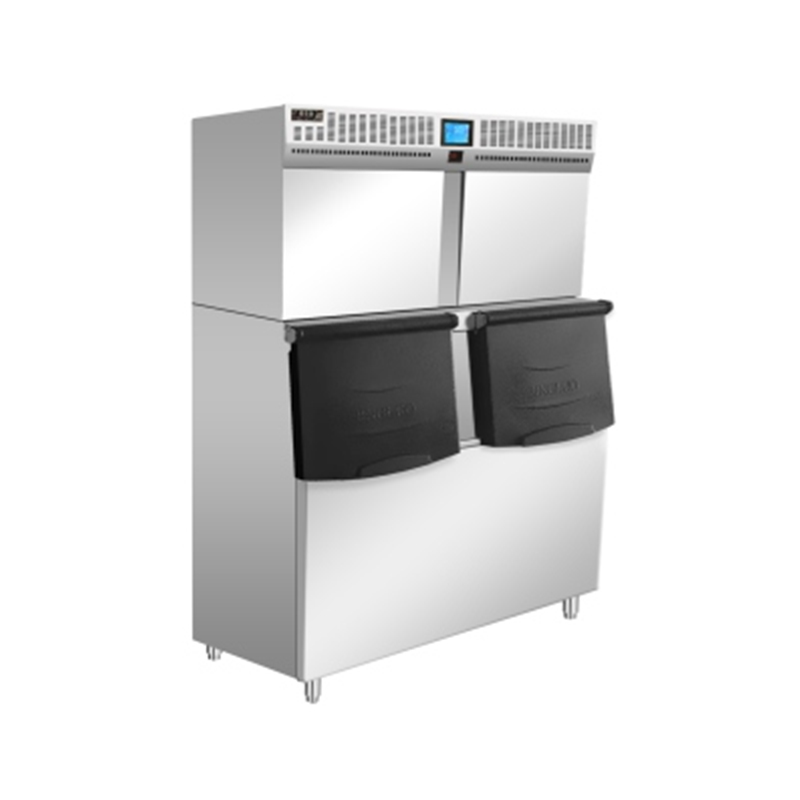
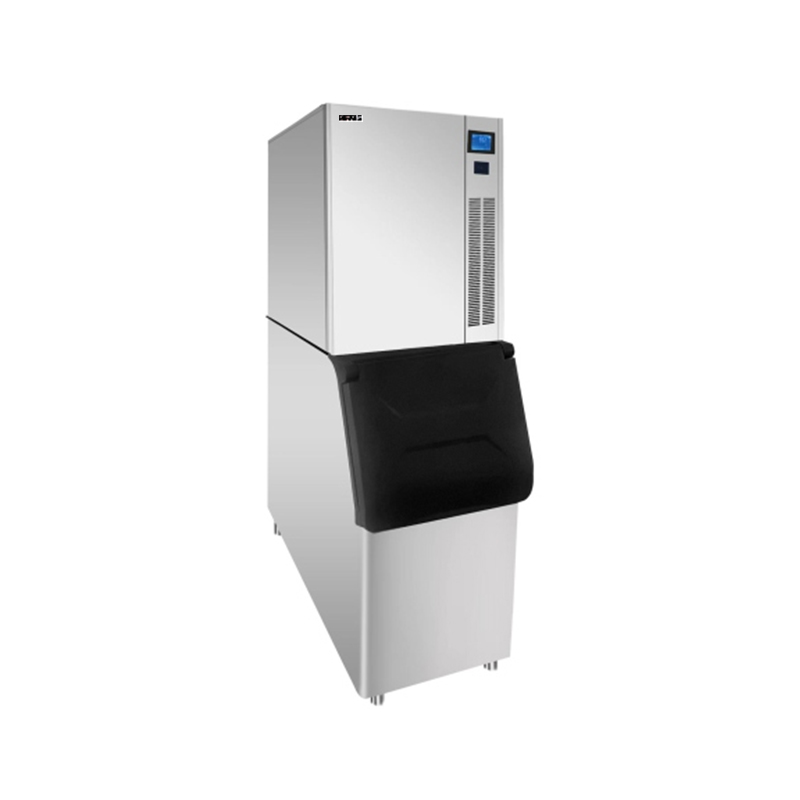
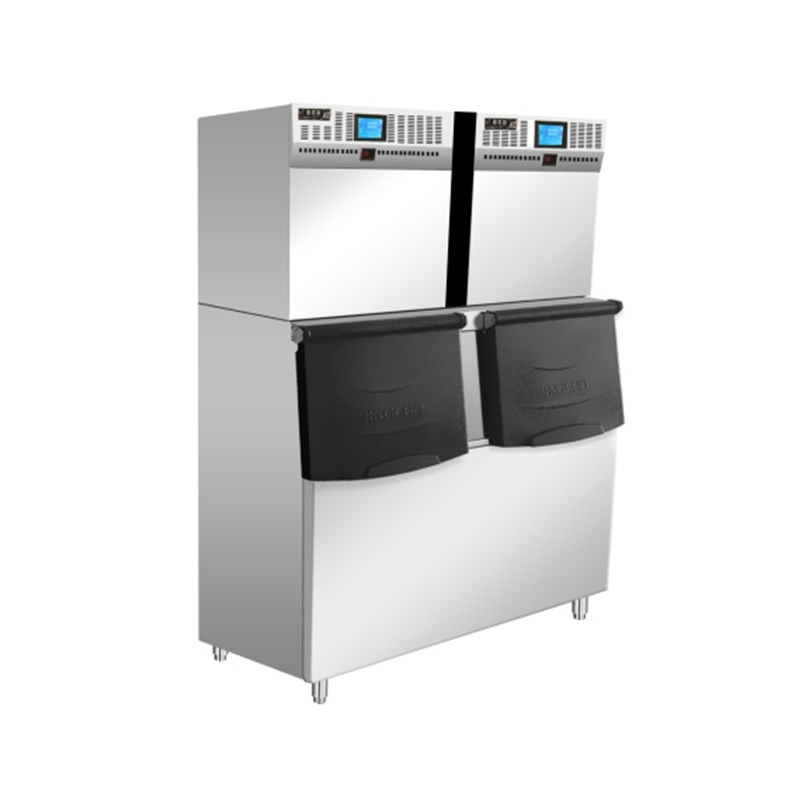
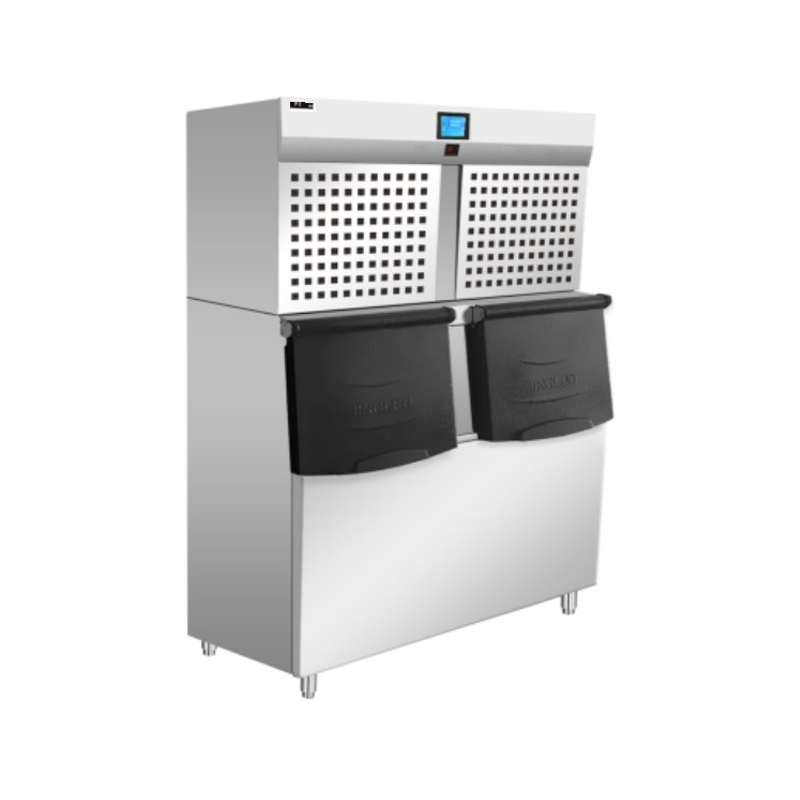
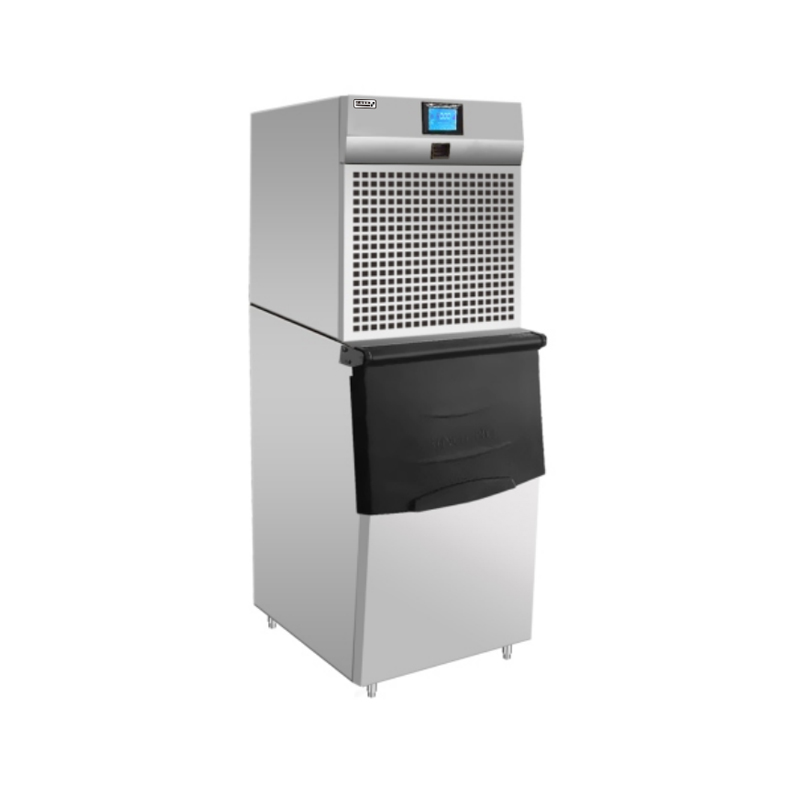
These are standalone ice-making heads that sit on top of a separate ice storage bin. They're popular in high-volume settings like large restaurants, hotels, and hospitals because the storage bin can be sized independently from the ice-making head, giving you flexibility to scale up production without needing a bigger machine footprint.
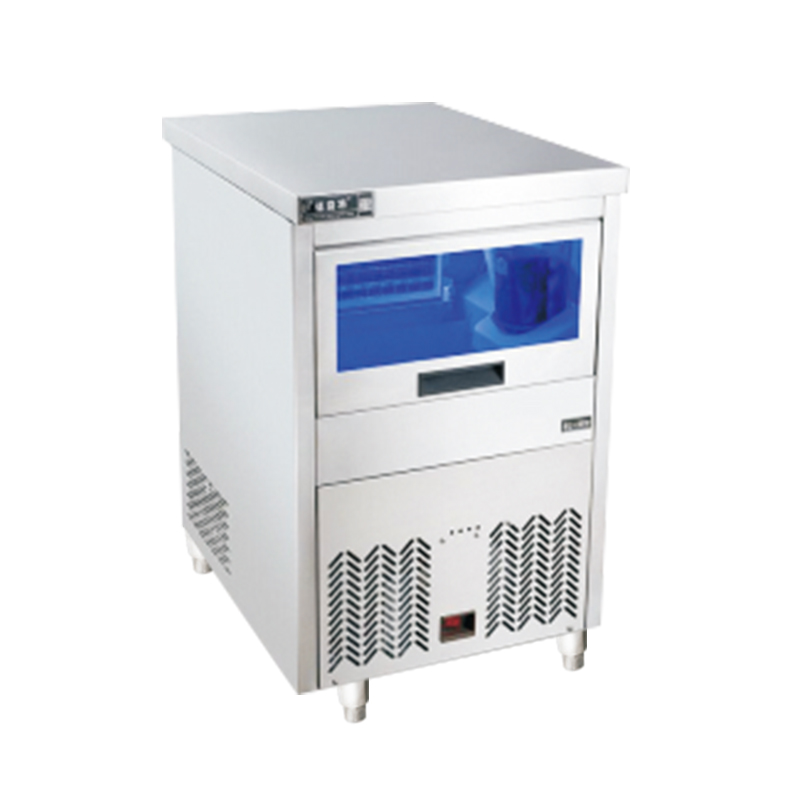
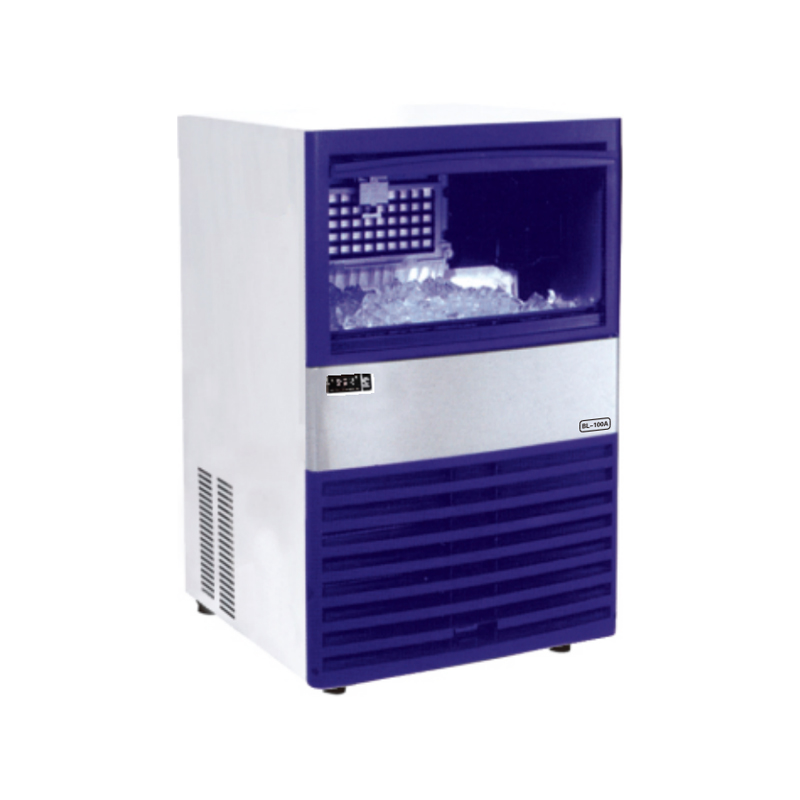
Designed to fit beneath a counter or bar top, these compact units are a favorite for bars, coffee shops, and small restaurants where floor space is limited. They combine the ice-making mechanism and storage bin into a single compact cabinet, usually producing anywhere from 80 to 350 pounds of ice per day.
These smaller machines sit directly on a countertop and are best suited for low-volume operations such as small cafes, break rooms, or specialty drink stands. They're the easiest to install since they typically just need a standard water line and power outlet, but their output is limited compared to modular or undercounter models.
Sizing a commercial ice machine correctly starts with estimating your daily ice demand, not just guessing based on your business type. A good starting point is to track how much ice you actually use during your busiest days over a few weeks, then add a buffer of at least 20 to 30 percent to account for growth, hot weather spikes, or equipment downtime.
Beyond daily output, pay attention to the storage bin capacity as well. A machine might produce 500 pounds of ice per day, but if the bin only holds 200 pounds, you could still run short during a sudden rush before the next batch finishes cycling.
When comparing commercial cube ice maker models, certain features make a real difference in day-to-day reliability and long-term operating costs, even if they add a bit to the upfront price.
Before your commercial ice cube machine arrives, make sure your space is actually ready for it. Overlooking these requirements is one of the most common reasons installations get delayed.
| Requirement | What to Check |
| Water Supply | Dedicated cold water line with a shutoff valve and proper filtration |
| Drainage | Gravity or pump drain positioned to prevent standing water and backflow |
| Electrical | Dedicated circuit matching the unit's voltage and amperage rating |
| Ventilation | Clearance around air-cooled units for airflow and heat dissipation |
| Ambient Temperature | Room temperature within manufacturer specs to maintain rated output |
It's worth having a licensed technician confirm these details during a site visit before the machine is delivered. Retrofitting plumbing or electrical after installation almost always costs more than planning ahead.
A commercial cube ice maker is a significant investment, and routine maintenance is what keeps it producing clean, consistent ice for years instead of months. Skipping cleaning schedules is one of the fastest ways to void a warranty or end up with cloudy, off-tasting ice.
Even well-maintained commercial ice machines run into issues occasionally. Knowing the common warning signs can help you catch small problems before they turn into costly repairs or a full breakdown during a busy shift.
If your machine is producing smaller or misshapen cubes, it's often a sign of low water pressure, a clogged water filter, or scale buildup on the evaporator. Slow ice production usually points to a dirty condenser or a refrigerant issue that needs professional attention. Unusual noises during the freeze or harvest cycle can indicate a failing water pump or a loose component, and should be checked quickly since these are relatively simple fixes when caught early but expensive if ignored.
Pricing for a commercial cube ice maker varies widely based on output capacity, cooling type, and brand reputation. Below is a general breakdown to help set realistic budget expectations.
| Daily Output | Typical Price Range |
| Under 200 lbs/day | $1,500 - $3,500 |
| 200 - 500 lbs/day | $3,500 - $6,500 |
| 500 - 1,000 lbs/day | $6,500 - $10,000 |
| Over 1,000 lbs/day | $10,000 and up |
Beyond the purchase price, factor in installation costs, ongoing water and energy usage, filter replacements, and periodic professional cleanings. Some suppliers also offer leasing options, which can reduce upfront costs for new businesses that would rather spread expenses out monthly.
Cube ice tends to be the preferred choice anywhere presentation and slow melt rate matter, such as cocktail bars, fine dining restaurants, and hotel guest services. Its dense, slow-melting nature keeps drinks cold without watering them down too quickly, which is why it remains the standard choice across the hospitality industry. Convenience stores and self-serve beverage stations also benefit from cube ice because customers generally prefer its clean look and steady melt rate over softer ice types.
Ultimately, the right commercial cube ice maker comes down to matching output, storage, and features to how your business actually operates day to day. Taking the time to measure real demand, plan for proper installation, and commit to a regular maintenance routine will help the machine perform reliably for years and keep operating costs predictable.

No.8 Xinhua Road, Dianshanhu Town, Kunshan City, Suzhou, Jiangsu Province, China
Call Us: +86-18217685733 / +86-18221531811
E-mail: [email protected] / [email protected]
Copyright © Jiangsu Bingluo Refrigeration Equipment Co., Ltd. All Rights Reserved. Commercial Refrigeration Equipment Solutions