
 English
 русский
 Español
 عربى
عربىIndustry News
2026-01-21
Industry News
Essential Guide to Selecting and Maintaining a Commercial Ice Maker
Content
Understanding Ice Types and Their Commercial Applications
Choosing the right commercial ice maker begins with understanding that not all ice is created equal. The geometry and density of the ice directly affect the displacement in a glass, the melt rate, and the overall customer experience. For instance, high-volume bars typically prefer full cube ice because its slow melt rate prevents the dilution of premium spirits. Conversely, healthcare facilities and fast-food chains often opt for nugget ice, also known as "cheable ice," which is soft, porous, and retains the flavor of the beverage it cools.
Beyond cubes and nuggets, flake ice is essential for grocery store seafood displays and salad bars. Because it is small and soft, it molds around products without bruising them, providing maximum surface area contact for rapid cooling. Selecting a machine that produces the specific ice type required for your business model is the first step in ensuring operational efficiency and customer satisfaction.
Evaluating Condenser Cooling Methods
Commercial ice machines rely on a refrigeration cycle to turn water into ice, and the heat generated during this process must be dissipated via a condenser. There are three primary types of cooling systems, each suited for different environments:
- Air-Cooled: These are the most common and cost-effective units. They use fans to pull ambient air over the condenser coils. They are easy to install but require significant clearance for airflow and can increase the temperature of the room.
- Water-Cooled: These units use a separate water line to cool the condenser. They are ideal for hot, poorly ventilated areas or kitchens with high ambient temperatures, though they result in much higher water consumption and utility bills.
- Remote-Cooled: The condenser is located outside the building (usually on the roof). This setup eliminates noise and heat from the kitchen area but involves higher upfront installation costs.
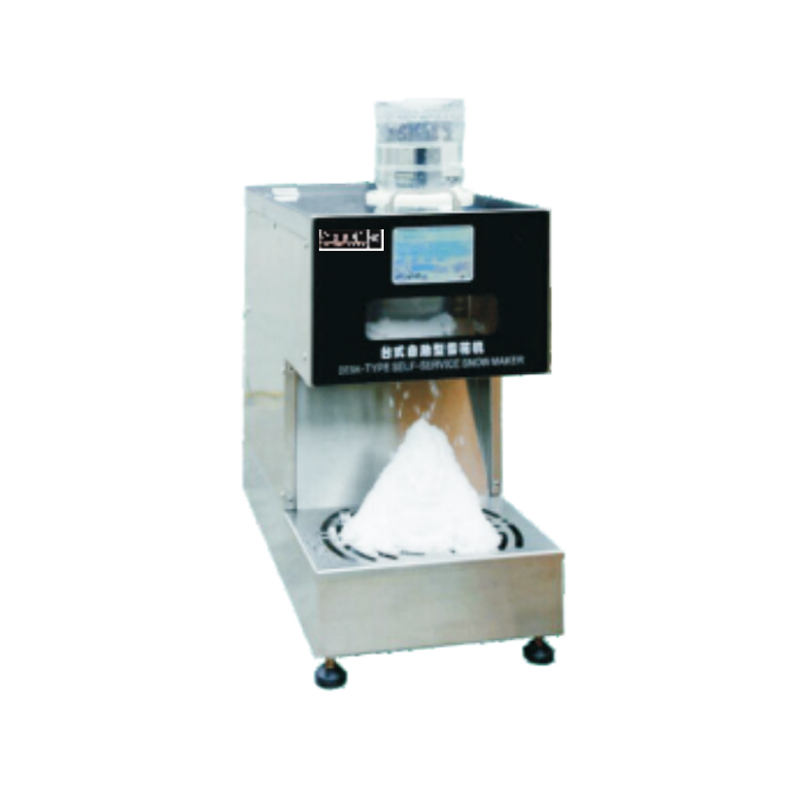
Sizing and Production Capacity Requirements
Underestimating your ice needs can lead to service delays, while overestimating results in wasted energy and floor space. To determine the right size, you must calculate your peak usage periods. A standard rule of thumb is to calculate the daily need based on the type of establishment and then add a 20% safety margin to account for exceptionally busy days or growth.
| Establishment Type | Estimated Ice Usage |
| Restaurant (Dining) | 1.5 lbs per person |
| Cocktail Bar | 3.0 lbs per person |
| Hotel | 5.0 lbs per room |
| Healthcare/Cafeteria | 1.0 lb per person |
Critical Maintenance for Longevity and Hygiene
A commercial ice maker is a significant investment that requires proactive care to prevent scale buildup and mold growth. Scale is the primary enemy of ice machines; as water freezes, minerals are left behind, coating the evaporator plate. This forces the machine to work harder, eventually leading to compressor failure or harvest errors.
Water Filtration Systems
Installing a dedicated water filter is non-negotiable. Filters remove chlorine, which can corrode stainless steel components, and sediment that clogs internal valves. More importantly, phosphate-based filters help inhibit scale formation, significantly extending the interval between deep cleanings.
Cleaning and Sanitizing Schedule
Health codes typically require a professional cleaning and sanitization at least once every six months. This involves running a descaling solution through the water system to dissolve mineral deposits, followed by a sanitizing solution to eliminate bacteria and slime (often referred to as "biofilm"). Regular air filter cleaning should also be performed monthly by staff to ensure the condenser does not overheat.
Related Products

No.8 Xinhua Road, Dianshanhu Town, Kunshan City, Suzhou, Jiangsu Province, China
Call Us: +86-18217685733 / +86-18221531811
E-mail: [email protected] / [email protected]
Copyright © Jiangsu Bingluo Refrigeration Equipment Co., Ltd. All Rights Reserved. Commercial Refrigeration Equipment Solutions
