 English
 русский
 Español
 عربى
عربىIndustry News
Home / News / Industry News / Maximizing Retail Efficiency: The Ultimate Guide to Refrigerated Display Cases
2026-01-27
Content
Refrigerated display cases are essential equipment for retail stores, supermarkets, and food service businesses that require proper cold storage while maintaining product visibility. They combine refrigeration technology with transparent display designs, ensuring that perishable items such as dairy, meats, beverages, and prepared foods remain fresh while appealing to customers. Investing in the right refrigerated display case can significantly enhance product sales and reduce waste due to spoilage.
Selecting the right type of refrigerated display case depends on the product being sold, store layout, and energy efficiency goals. The most common types include:
When choosing a refrigerated display case, several key features directly impact performance, energy efficiency, and customer experience:
Proper maintenance is critical to prolong the lifespan of refrigerated display cases and ensure food safety. Key practices include:
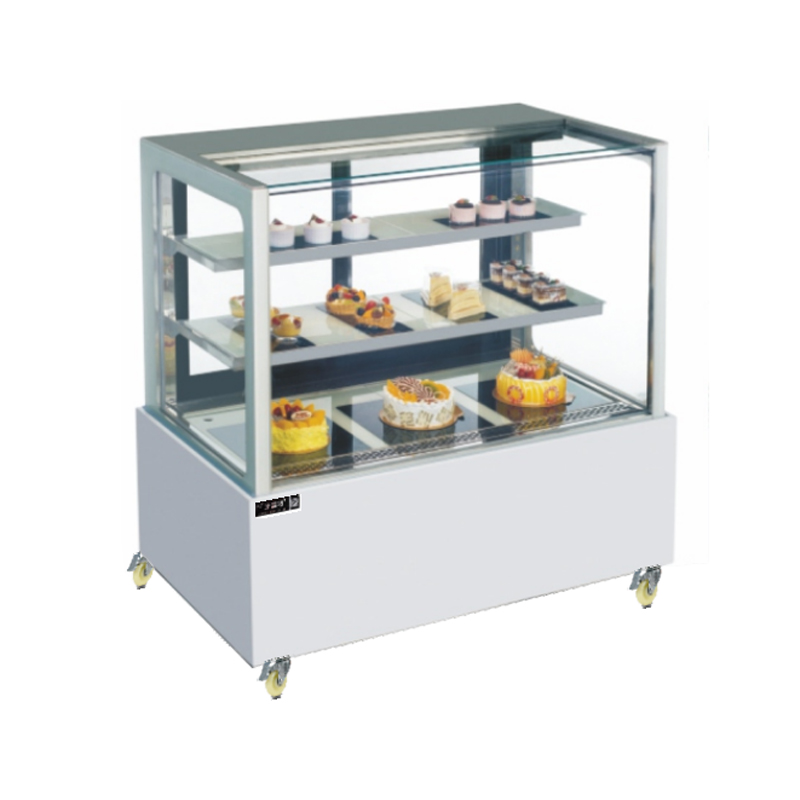
The arrangement of products within a refrigerated display case can influence sales and customer experience. Consider the following strategies:
Energy consumption is a major factor in selecting a refrigerated display case. Comparing models based on energy efficiency can save significant costs over time. Consider using the following table to evaluate options:
| Model | Energy Consumption (kWh/day) | Capacity (Liters) | Price ($) |
| Open Front Display | 12 | 400 | 1,500 |
| Glass Door Merchandiser | 8 | 350 | 1,800 |
| Island Display Case | 15 | 600 | 3,200 |
| Countertop Display | 5 | 100 | 900 |
Refrigerated display cases are a critical investment for businesses aiming to maintain product freshness, enhance presentation, and boost sales. By carefully selecting the right type, focusing on energy efficiency, maintaining proper hygiene, and optimizing product layout, businesses can achieve both operational efficiency and superior customer satisfaction. Staying informed about technological advancements, such as smart temperature monitoring and eco-friendly refrigerants, can further enhance long-term profitability and sustainability.

No.8 Xinhua Road, Dianshanhu Town, Kunshan City, Suzhou, Jiangsu Province, China
Call Us: +86-18217685733 / +86-18221531811
E-mail: [email protected] / [email protected]
Copyright © Jiangsu Bingluo Refrigeration Equipment Co., Ltd. All Rights Reserved. Commercial Refrigeration Equipment Solutions