 English
 русский
 Español
 عربى
عربىIndustry News
Home / News / Industry News / Cafe Commercial Milk Frothers: A Simple Guide to Choosing the Right One for Your Shop
2026-06-22
Content
Cafe Commercial Milk Frothers are specialized machines built to heat and aerate milk quickly, turning it into the smooth, velvety foam used in lattes, cappuccinos, macchiatos, and other espresso-based drinks. Unlike small home frothers, commercial units are designed to handle continuous, high-volume use throughout a busy service period without overheating, losing texture quality, or slowing down the line.
In a busy cafe, consistency is everything. A barista using a reliable commercial frother can produce the same microfoam texture on the fiftieth drink of the day as they did on the first, which is something cheaper or underpowered equipment simply can't guarantee during peak hours.
Not every cafe needs the same kind of frothing equipment. The right choice depends on drink volume, available staff, and the specific texture a cafe wants to deliver on its menu.
Many commercial espresso machines come with an integrated steam wand, which baristas use manually to froth milk in a separate pitcher. This method gives the most control over texture and is favored by specialty coffee shops where latte art and microfoam quality are central to the brand experience. It does require trained staff, since wand technique directly affects the final result.
Automatic Cafe Commercial Milk Frothers heat and froth milk at the push of a button, removing the need for manual steaming. These machines are popular in high-volume cafes, hotel breakfast stations, and quick-service coffee chains where speed and consistency matter more than barista-controlled artistry. Many models also include a cold foam or chilled milk setting for iced beverages.
Electric frothing jugs are smaller, self-contained units that heat and whisk milk without being connected to an espresso machine at all. While not as powerful as full commercial frothers, they're sometimes used in smaller cafes or as backup equipment during peak rush periods when the main machine is occupied.
When comparing Cafe Commercial Milk Frothers, a few specific features tend to make the biggest difference in daily cafe operations. Paying attention to these details upfront can prevent frustration once the machine is in regular use.
| Feature | Why It Matters |
| Heating Speed | Determines how quickly drinks can be prepared during busy rushes |
| Foam Texture Control | Allows baristas to switch between microfoam, thick foam, or cold foam settings |
| Capacity Per Cycle | Affects how many drinks can be made before needing to refill milk |
| Cleaning Mechanism | Reduces daily maintenance time and prevents milk residue buildup |
| Build Material | Stainless steel components hold up better under daily commercial use |
Cleaning mechanism is often underestimated by first-time buyers, but milk residue left inside a frother can quickly lead to bacterial buildup and unpleasant odors if the machine doesn't have an easy rinse or self-cleaning cycle.
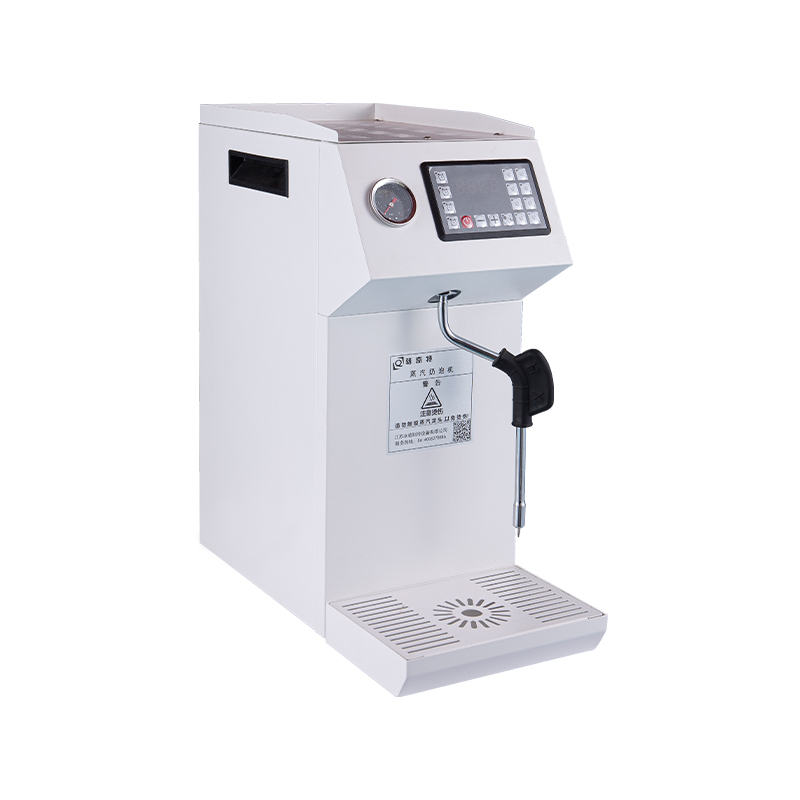
Even the best Cafe Commercial Milk Frothers won't produce great results if a few basic technique principles are ignored. These tips apply whether you're using a manual steam wand or an automatic machine.
A small neighborhood cafe and a high-volume coffee chain have very different needs when it comes to frothing equipment. Matching the machine to your actual drink volume avoids both overspending and bottlenecking during busy periods.
It's also worth factoring in staff turnover when deciding between manual and automatic equipment. Cafes with frequent staffing changes often benefit from automatic frothers, since they require far less training to operate consistently compared to manual steam wand technique.
Cafe Commercial Milk Frothers run through dozens or even hundreds of cycles daily, which means regular maintenance isn't optional if you want the equipment to last. Skipping cleaning routines is one of the most common reasons commercial frothers break down prematurely.

No.8 Xinhua Road, Dianshanhu Town, Kunshan City, Suzhou, Jiangsu Province, China
Call Us: +86-18217685733 / +86-18221531811
E-mail: [email protected] / [email protected]
Copyright © Jiangsu Bingluo Refrigeration Equipment Co., Ltd. All Rights Reserved. Commercial Refrigeration Equipment Solutions