 English
 русский
 Español
 عربى
عربىIndustry News
Home / News / Industry News / Commercial Hot Water Dispensers: Types, Features, and How to Pick the Right One for Your Business
2026-06-17
Content
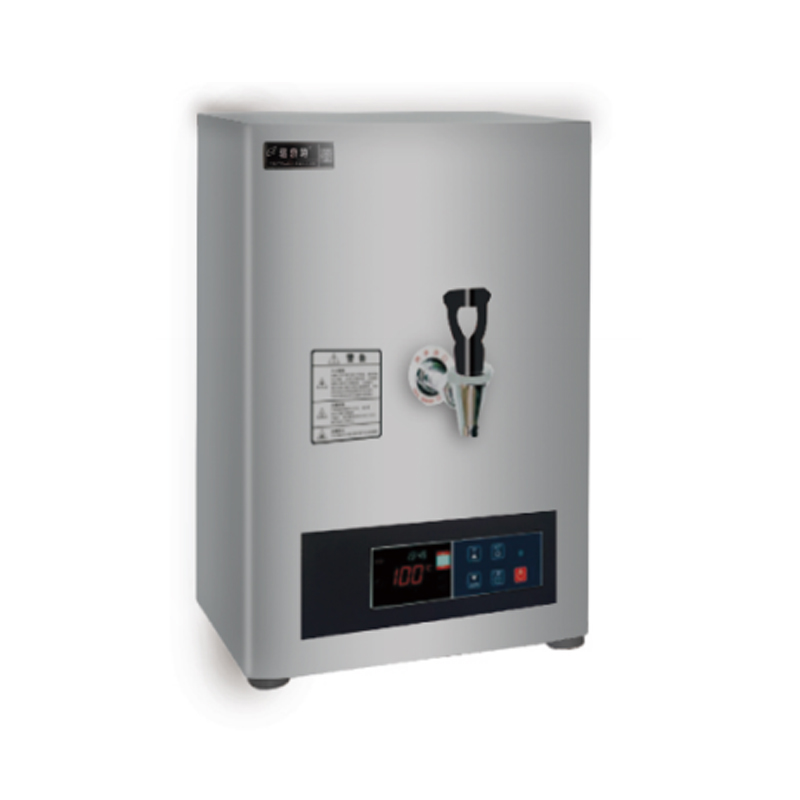
Commercial hot water dispensers are purpose-built appliances designed to deliver a continuous, on-demand supply of hot or boiling water in high-demand environments — restaurants, hotels, cafeterias, offices, hospitals, catering operations, and any other setting where hot water is needed repeatedly throughout the day. Unlike domestic kettles or small consumer-grade dispensers that heat a limited volume and then require a full reheat cycle, commercial hot water dispensers are engineered for sustained throughput, rapid recovery, consistent temperature maintenance, and the kind of operational reliability that keeps a busy service environment running without interruption.
The business case for investing in a commercial-grade hot water dispenser is straightforward and compelling. The labor cost and time lost to filling, boiling, and managing multiple domestic kettles across a busy commercial kitchen or office environment adds up significantly over a working year. A properly specified commercial hot water unit delivers boiling or near-boiling water instantly at the point of use, eliminating wait time, reducing energy waste from repeated small-batch boiling, and freeing staff to focus on higher-value tasks. Safety is another significant consideration: commercial dispensers are designed with controlled dispensing mechanisms, insulated surfaces, and safety locks that dramatically reduce the scalding risk compared to open kettles or urns on busy service counters.
Energy efficiency is a third compelling argument. A commercial hot water dispenser that maintains a full tank at temperature continuously consumes surprisingly modest energy because the insulated tank retains heat effectively between draws. Modern units with on-demand or tankless heating take this further, consuming energy only when water is actually being heated. Compared to the cumulative energy cost of boiling a 1.7-liter kettle repeatedly throughout an eight-hour service period, a well-matched commercial dispenser typically delivers meaningful energy savings over a full operating year.
The commercial hot water dispenser market covers a wide range of distinct unit types, each suited to different capacity requirements, installation situations, and operational contexts. Understanding the differences between types is the essential starting point for any purchasing decision.
Tank-based commercial hot water dispensers — also called hot water urns, boiler dispensers, or hot water boilers — maintain a reservoir of pre-heated water at a set temperature, ready to dispense immediately on demand. The tank volume determines the total hot water available at any moment without a recovery wait, making tank capacity the primary specification to match against your peak demand profile. Tank sizes in commercial dispensers range from around 3 liters for compact countertop office units up to 30 liters or more for high-volume foodservice applications. Most tank-based dispensers operate on a fill-and-maintain principle: as hot water is dispensed, cold water enters the tank from a direct plumbed water supply and is heated by the element before the next draw. Recovery rate — how quickly the unit returns to full temperature after a large draw — is a critical performance specification for high-demand environments. Quality commercial tank dispensers achieve recovery times of 5–15 minutes for a full tank, depending on element wattage and tank volume.
Tankless or on-demand commercial hot water dispensers heat water instantaneously as it flows through a compact heating chamber, rather than maintaining a stored reservoir. This approach eliminates standby heat loss entirely — the unit consumes energy only when water is actually being dispensed — making it genuinely more energy-efficient than tank-based units for applications with intermittent demand patterns. Tankless commercial dispensers are also more compact, as they require no insulated storage tank, and they provide a theoretically unlimited supply of hot water with no recovery time constraints. The trade-off is that the flow rate of boiling or near-boiling water is typically lower than tank-based systems, and the electrical demand during dispensing is higher because all heating must occur within the brief transit time through the heat exchanger. For high-simultaneous-draw applications — a breakfast buffet rush, for example — tankless units may not maintain target temperatures at the maximum demanded flow rates unless properly oversized.
Commercial boiling water taps — also known as instant boiling water taps or 100°C hot water taps — are plumbed-in dispensing systems that deliver boiling water directly from a dedicated tap at the sink or counter, fed by a compact under-counter tank unit. Unlike standalone countertop dispensers, boiling water tap systems integrate into the kitchen or service area infrastructure and offer the most aesthetically clean installation. The under-counter tank continuously maintains water at 98–100°C, and the tap delivers it on demand through an insulated spout with a safety mechanism — typically a child-lock or two-step activation — to prevent accidental scalding. Commercial boiling water tap systems are increasingly popular in office kitchen environments, hotel buffet stations, and premium hospitality settings where seamless integration and minimal countertop footprint are priorities. Leading commercial boiling water tap brands include Zip HydroTap, Quooker, Billi, and Marco Beverage Systems.
Commercial hot water urns are large-capacity, self-contained tank dispensers typically used for catering, banqueting, conference service, and event hospitality where a large volume of hot water must be available at a location without a fixed plumbing connection. Urns typically range from 10 to 30 liters, are filled manually with cold water, heated to temperature, and then transported to the service location. They are not plumbed-in and operate from a standard power outlet. Commercial urns are designed for high thermal retention — keeping water at serving temperature for extended periods with the heating element maintaining temperature during service. They are essential equipment for outside catering, mobile hospitality, and any service situation where running a water line to the dispenser is impractical.
Countertop commercial hot water dispensers designed for office environments are compact, plumbed-in or manually filled units that sit on a counter and serve a moderate demand of typically 20–100 users. These units prioritize ease of use, quiet operation, and compact footprint over the high-throughput performance of foodservice-grade equipment. Many office hot water dispensers combine hot water dispensing with filtered cold and ambient water in a single unit — the commercial water cooler with hot water functionality. Office-grade commercial dispensers typically maintain water at 94–98°C and include basic safety features like a push-to-dispense button rather than a lever, reducing the accidental scalding risk in an environment without trained staff managing the unit.
Commercial hot water dispenser specifications determine whether a unit is genuinely fit for your operational demands. Here are the critical figures to compare and what they mean in practice:
| Specification | What It Means | Why It Matters |
| Tank Capacity (liters) | Volume of hot water available before recovery | Must exceed peak simultaneous demand |
| Hourly Output (liters/hour) | Total hot water deliverable per hour including recovery | Primary capacity metric for sustained demand |
| Element Wattage (kW) | Heating power of the element | Drives recovery speed and running cost |
| Temperature Range (°C) | Adjustable output water temperature | Flexibility for different beverages and applications |
| Connection Type | Direct plumbed vs. manual fill | Determines installation requirements and location flexibility |
| Electrical Supply Required | Single phase (13A/20A) or three phase | Must match available electrical supply at installation point |
| Dispensing Control | Push button, lever, touchless sensor, timed dose | Affects speed of service and staff safety |
| Water Filtration | Built-in or inline filter compatibility | Critical for limescale protection and beverage quality |
| Certifications | NSF, WRAS, CE, UL, Energy Star | Food safety compliance and regulatory acceptance |
Undersizing a commercial hot water dispenser is one of the most common and frustrating purchasing mistakes. A unit that runs out of hot water during a service peak forces staff to wait, creates customer dissatisfaction, and negates all the operational benefits the dispenser was supposed to provide. Getting capacity right requires a simple but important calculation based on your actual demand profile.
Start by identifying your peak demand window — the period during your operating day when the maximum number of hot water draws will occur in the shortest time. For a hotel breakfast buffet, this might be a 90-minute morning rush. For an office, it might be the 8:00–9:00 AM arrival period when everyone makes their first cup of tea or coffee simultaneously. For a hospital, it may be consistent across multiple service rounds throughout the day. During your peak window, estimate the number of individual hot water draws and the volume per draw. A standard cup of tea or instant coffee uses approximately 200–250ml of hot water. A large mug uses 350–400ml. A pot of tea uses 600–800ml. Multiply the number of draws in your peak period by the average volume per draw to get your peak period volume requirement, then ensure your chosen unit's combination of tank capacity and recovery rate can meet that figure.
As a general sizing reference, here is how demand profiles typically map to commercial hot water dispenser capacity requirements across common business types:
Commercial hot water dispensers vary significantly in their installation requirements, and understanding these requirements before purchase prevents costly surprises during installation. The two fundamental installation requirements — water supply and electrical supply — must both be evaluated for every installation point.
Direct-plumbed commercial hot water dispensers require a cold water supply connection at the installation point. Most units connect to a standard 15mm (half-inch) compression or push-fit fitting from the mains water supply, typically through an isolator valve that allows the unit to be serviced without shutting off wider building water supply. The incoming water pressure should fall within the manufacturer's specified range — typically 1.5 to 8 bar for most commercial dispensers. Low pressure reduces flow rate and can cause dispensing problems; high pressure can cause leaks or damage internal valves. A pressure-reducing valve (PRV) should be installed upstream if your mains pressure exceeds 5–6 bar. For hard water areas — which cover most of the UK, much of Central Europe, and large areas of North America — an inline water filter or water softener upstream of the dispenser is essential to prevent limescale buildup on the heating element, which is the primary cause of premature element failure and reduced energy efficiency in commercial hot water equipment.
The electrical supply requirement of a commercial hot water dispenser is determined by its element wattage. Small office countertop units with 2.8–3.0 kW elements typically connect to a standard 13-amp plug outlet, though a dedicated circuit is recommended to avoid nuisance tripping if other equipment shares the circuit. Units with 4–6 kW elements require a dedicated 20-amp circuit. High-output commercial dispensers and boilers with 8–15 kW elements require a dedicated 30–40 amp circuit, and units above this level typically require three-phase electrical supply. Confirm the electrical supply available at your intended installation point before specifying the unit — retrofitting a higher-rated circuit adds significant installation cost and may not be feasible in all premises without upgrading the building's main electrical infrastructure.
Commercial hot water dispensers require a condensate or overflow drain connection for safety and operational reasons. The tundish or overflow outlet — a safety device that allows hot water to drain safely if the thermostat or pressure relief valve operates — must connect to a suitable drain point that is visually observable (so that an operator can see if the safety valve is discharging) and thermally appropriate (capable of handling near-boiling water discharge). Many commercial dispensers also produce a drip tray drain connection for normal operational drips at the dispensing spout. Ensure a drain is accessible within the installation area, or plan for a drain point to be installed before the equipment arrives on site.
Commercial hot water dispensers are robust and reliable when properly maintained, but they are vulnerable to limescale buildup in hard water areas that degrades performance, increases energy consumption, and ultimately causes element failure if not managed. A structured maintenance program is essential for protecting your equipment investment and ensuring consistent hot water delivery.
Descaling frequency depends on your local water hardness and the volume of water processed through the unit daily. In very hard water areas (above 300 ppm total dissolved solids), monthly descaling may be necessary for high-throughput units. In moderately hard areas (150–300 ppm), quarterly descaling is typically sufficient. In soft water areas (below 100 ppm), semi-annual or annual descaling may be adequate. The easiest approach to descaling management is installing an inline scale filter or water softener cartridge upstream of the dispenser — this prevents limescale formation in the first place and reduces or eliminates the need for chemical descaling, while also improving the taste of the water and the beverages made from it. When chemical descaling is required, use a descaling agent specifically approved by the dispenser manufacturer — citric acid-based descalers are gentle and food-safe, while some manufacturers specify their own branded descaling products for warranty compliance.
Beyond descaling, daily and weekly hygiene practices are important for food safety compliance and equipment longevity. The dispensing spout and drip tray are the highest-contact surfaces and should be wiped down daily with a food-safe sanitizing solution. Drip trays should be emptied and cleaned at least daily to prevent bacterial growth and odor buildup. The exterior surfaces of the unit, including the control panel and any indicator lights, should be wiped with a damp cloth and mild detergent — avoid abrasive cleaners or scouring pads that can scratch display surfaces and remove protective coatings. If the unit has a manual fill option or an open-top reservoir, the interior should be cleaned and sanitized on a weekly schedule using food-safe cleaning products approved for use with hot water equipment.
Beyond capacity and installation compatibility, several specific features differentiate commercial hot water dispensers in terms of operational convenience, safety, and long-term cost of ownership. Here is what to evaluate when comparing models:

No.8 Xinhua Road, Dianshanhu Town, Kunshan City, Suzhou, Jiangsu Province, China
Call Us: +86-18217685733 / +86-18221531811
E-mail: [email protected] / [email protected]
Copyright © Jiangsu Bingluo Refrigeration Equipment Co., Ltd. All Rights Reserved. Commercial Refrigeration Equipment Solutions