 English
 русский
 Español
 عربى
عربىIndustry News
Home / News / Industry News / 40ft Container Meat Storage Freezer: A Complete Guide for Commercial Meat Storage
2026-09-30
A 40ft container meat storage freezer is a smart, flexible solution for businesses that need reliable cold storage without the cost and lead time of a permanent construction project. Whether you are a meat processor facing seasonal peaks, a distributor looking to expand capacity, or a food service operator needing a temporary overflow, a refrigerated shipping container can be commissioned quickly and moved as your needs change.
In this guide, we will walk through what a 40ft container meat storage freezer actually is, the key features to evaluate, and how to get the most from your investment. We will also share practical tips from our experience as a commercial refrigeration manufacturer, so you can make an informed decision for your meat storage operation.
Content
At its core, a 40ft container meat storage freezer is a standard 40-foot shipping container that has been insulated and fitted with a commercial-grade refrigeration system. The result is a self-contained, weatherproof cold room that can maintain precise temperatures for meat storage, from chilled conditions around 0°C to deep-freeze temperatures of -18°C or lower.
These units are often configured as single-zone or dual-zone systems. A single-zone freezer is ideal for bulk frozen meat storage, while a dual-zone container can hold both chilled and frozen products simultaneously, giving you greater flexibility. Capacity varies with racking and packaging, but a typical 40ft container offers roughly 67 to 76 cubic meters of internal space, which can hold 20 to 25 tonnes of boxed or palletised meat.
There are several compelling reasons to choose a container-based freezer over a traditional brick-and-mortar cold store. Here are the main advantages:
For meat processors, butchers, and food distributors, this flexibility can be a game-changer. You can respond to seasonal demand, store product safely during facility renovations, or set up a temporary receiving point at a port or market.
Not all container freezers are created equal. When evaluating a 40ft unit, pay close attention to the following features:
Despite its simple exterior, a container freezer operates on the same principles as any commercial refrigeration system. A condensing unit compresses refrigerant, which then travels through an evaporator coil inside the container. Fans circulate air over the coil, absorbing heat from the interior. The heat is expelled outside through the condenser, and the cycle repeats.
A thermostat or digital controller monitors the internal temperature and cycles the compressor on and off to maintain your set point. Most units also include an automatic defrost cycle to prevent ice build-up on the evaporator, which would otherwise reduce efficiency. For meat storage, consistent temperature and minimal fluctuations are key to preserving quality and extending shelf life.
Even the best freezer needs proper operating practices to keep meat safe and high-quality. Temperature control is your first priority. Here are the recommended storage temperatures for common meats:
| Meat Type | Recommended Temperature | Maximum Storage Time |
|---|---|---|
| Beef (carcass or cuts) | -18°C to -20°C | 6 to 12 months |
| Pork | -18°C to -20°C | 4 to 6 months |
| Poultry | -18°C to -20°C | 6 to 9 months |
| Lamb | -18°C to -20°C | 6 to 9 months |
| Ground meat | -18°C or lower | 2 to 3 months |
Always pre-chill or blast-freeze fresh meat before placing it in long-term storage. Rapid freezing at -30°C to -40°C minimizes ice crystal formation, which protects texture and flavor. If you are unsure what temperature your commercial freezer should be, our guide on what temperature a commercial freezer should be offers detailed recommendations.
Loading also matters. Leave space between pallets or boxes for air to circulate. Do not block the evaporator fans, and avoid opening the door more than necessary. Use a calibrated thermometer or data logger to verify temperatures regularly, and keep records for traceability.
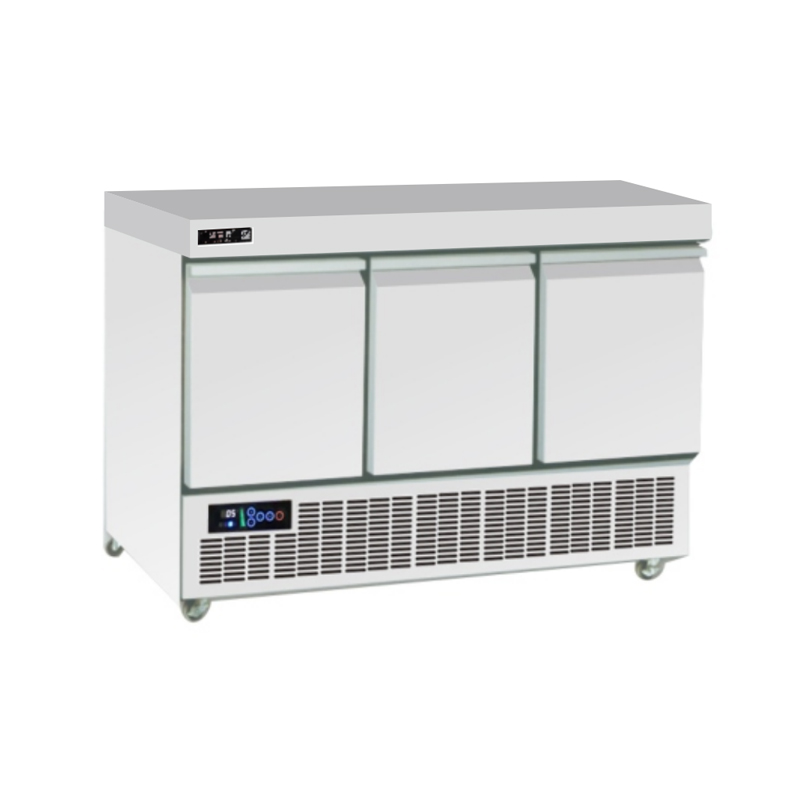 Commercial Blast Chiller/FreezerThe Commercial Blast Chiller/Freezer can rapidly freeze products from room temperature to a center temperature of -18℃ in approximately 180 minutes, preserving the fre...View Product →
Selecting a 40ft container meat storage freezer involves balancing capacity, power availability, location, and budget. Start by estimating your maximum volume and weight, then consider whether you need a single-zone or dual-zone unit. If you operate in a region with unreliable power, look for a unit with a backup generator connection or low-power consumption features.
It is also wise to think about how the container will integrate with your existing operations. Many businesses use container freezers alongside their indoor refrigeration equipment. For example, a commercial blast chiller freezer can quickly bring fresh meat down to safe temperatures before it goes into the container, while a stainless steel upright air-cooled refrigerator can provide convenient, accessible storage for daily production needs. For smaller batches or undercounter storage, a horizontal air-cooled refrigerator is a practical option.
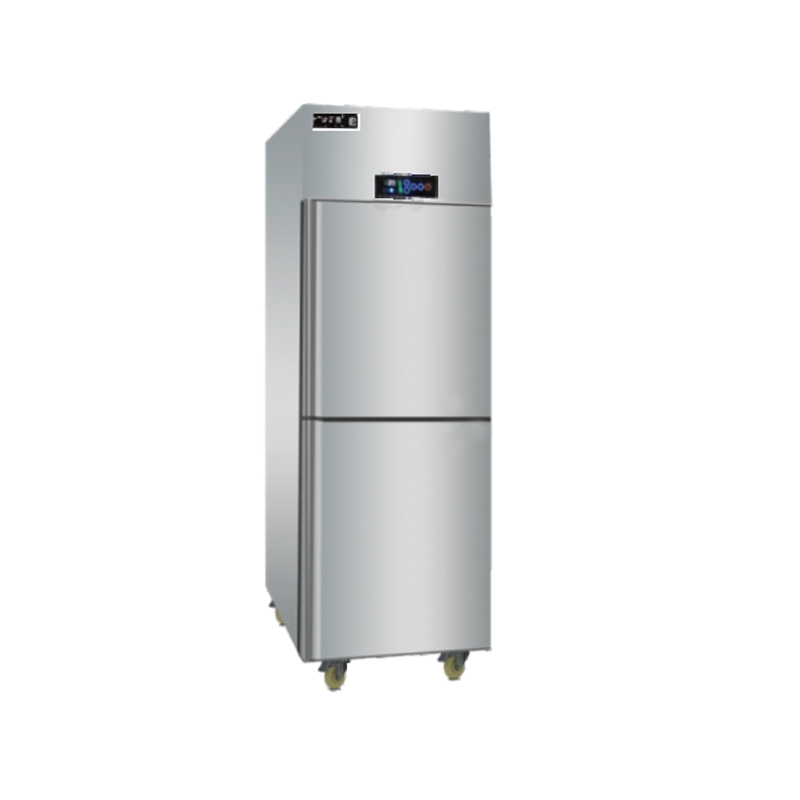 Commercial 201/304 Stainless Steel Upright Air-cooled RefrigeratorThe Upright Air-cooled Commercial Refrigerator features an LED digital temperature control system that enables intelligent temperature adjustments, providing precise c...View Product →
At Bingluo Refrigeration, we manufacture a wide range of commercial refrigeration equipment that supports meat storage operations. While we do not build container freezers ourselves, our blast chillers, upright refrigerators, and horizontal refrigerators are trusted by food businesses to maintain precise temperatures and dependable performance. If you need help specifying the right equipment for your facility, our team is happy to share our experience.
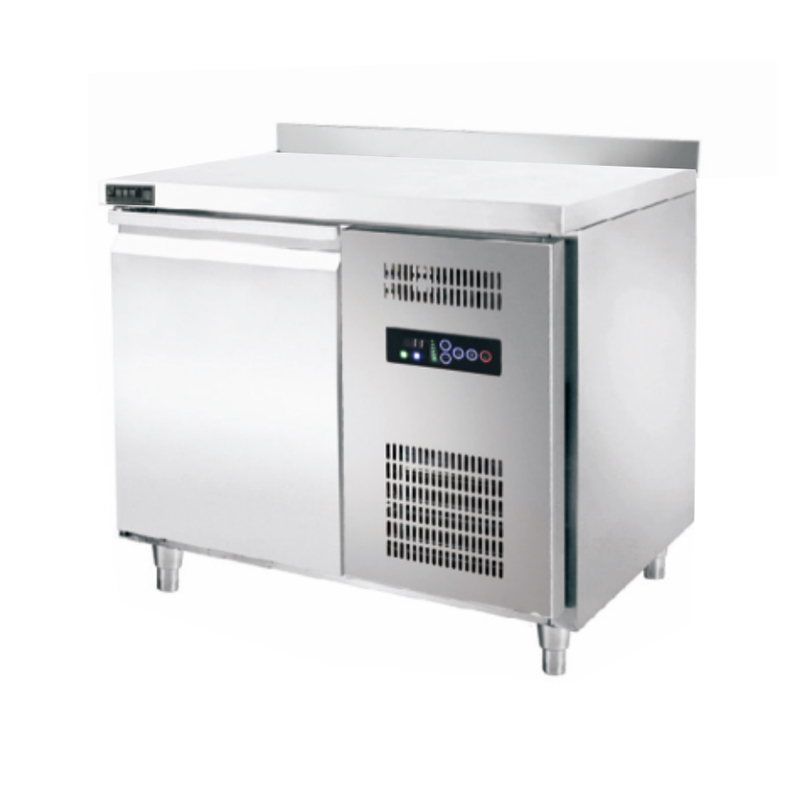 201/304 Stainless Steel Air-cooled Commercial RefrigeratorThe Air-cooled Commercial Refrigerator features an LED digital temperature control system with intelligent temperature adjustments for precise and stable cooling, ensu...View Product →
A 40ft container meat storage freezer is a significant investment, so protect it with a simple preventive maintenance routine. Here are the essentials:
With proper care, a well-built container freezer can deliver reliable service for many years. Keep a maintenance log, and address small issues before they become costly breakdowns.
A 40ft container meat storage freezer offers a practical, scalable, and cost-effective way to expand your cold storage capacity. By understanding how these units work, choosing the right features, and following good storage and maintenance practices, you can protect your meat products and keep your operation running smoothly.
If you are looking for commercial refrigeration equipment to complement your container freezer or to upgrade your existing meat storage setup, we invite you to explore our product range or contact our team for a consultation. With decades of manufacturing experience, we are here to help you find the right solution.

No.8 Xinhua Road, Dianshanhu Town, Kunshan City, Suzhou, Jiangsu Province, China
Call Us: +86-18217685733 / +86-18221531811
E-mail: [email protected] / [email protected]
Copyright © Jiangsu Bingluo Refrigeration Equipment Co., Ltd. All Rights Reserved. Commercial Refrigeration Equipment Solutions