 English
 русский
 Español
 عربى
عربىIndustry News
Home / News / Industry News / The Cold Chain: Why Commercial Refrigerators Are the Unsung Heroes of the Modern World
2025-12-17
Content
The cold, controlled environment maintained by a commercial refrigerator is not a miracle—it's a marvel of physics and engineering. At the heart of every cooling system, from the smallest display cooler to the largest walk-in freezer, is the principle of the vapor-compression refrigeration cycle.
A Commercial Refrigerators system is essentially a heat pump, constantly moving heat from one place (the cold interior) to another (the warmer exterior). This process is facilitated by four primary components and a working fluid called the refrigerant.
The Compressor: This is the workhorse of the system. It takes the cool, low-pressure refrigerant vapor that has absorbed heat from inside the unit and compresses it. Compressing a gas dramatically increases both its pressure and its temperature. It’s a hot, high-pressure gas that then moves on to the next stage.
The Condenser: This component, often a set of coils on the outside or back of the unit, acts as a heat exchanger. The hot, high-pressure gas flows through these coils, and a fan or ambient air cools it down. As the gas loses heat, it condenses back into a high-pressure liquid. This is why the area around a running refrigerator feels warm—it's rejecting the heat taken from the inside.
The Expansion Valve (or Metering Device): This component is a precise restriction in the line. As the high-pressure liquid refrigerant passes through the small opening of the valve, its pressure drops dramatically. This drop in pressure causes the liquid to rapidly cool, readying it for the final stage.
The Evaporator: This component, located inside the refrigerated space, is where the "magic" of cooling happens. The now cold, low-pressure liquid refrigerant flows through the evaporator coils. Since the refrigerant is much colder than the air inside the refrigerator, it readily absorbs heat from that air. As it absorbs the heat, the liquid boils and turns back into a low-pressure vapor, completing the cycle and providing the cooling effect. This vapor then flows back to the compressor to start the process over again.
While domestic refrigerators are a convenience, Commercial Refrigerators are a necessity that underpins entire sectors of the modern economy. They are the essential link in the "cold chain," the global, temperature-controlled supply network.
The term Commercial Refrigerators covers a vast range of specialized equipment, each designed for a specific industrial application.
Walk-In Coolers and Freezers: Used by restaurants and supermarkets for bulk storage, these are temperature-controlled rooms large enough to walk into. They are the backbone of food inventory management.
Reach-In Refrigerators and Freezers: The familiar single, double, or triple-door units found in commercial kitchens, providing quick access to ingredients for food preparation.
Display Cases: These are the units lining the aisles of grocery stores, from deli cases for meats and cheeses to open-air refrigerated shelves for beverages and pre-packaged meals. Their design is a constant balance between temperature regulation and customer visibility.
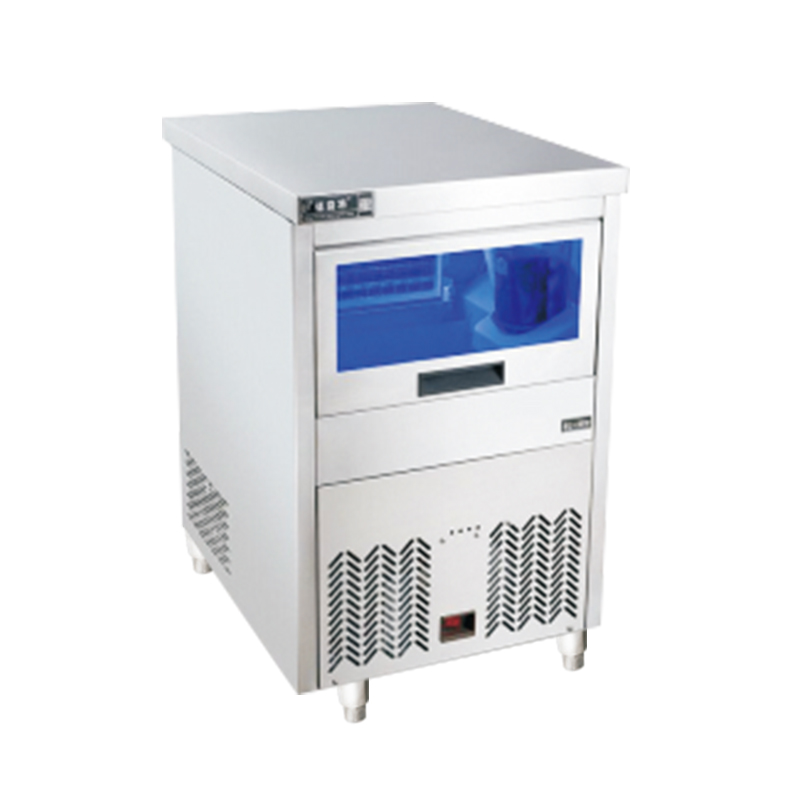
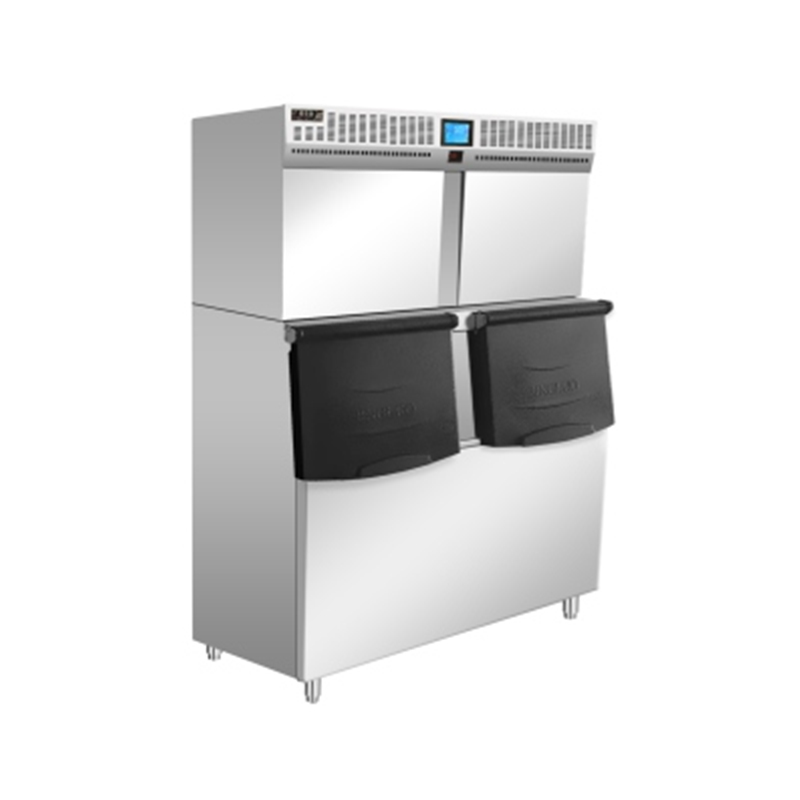
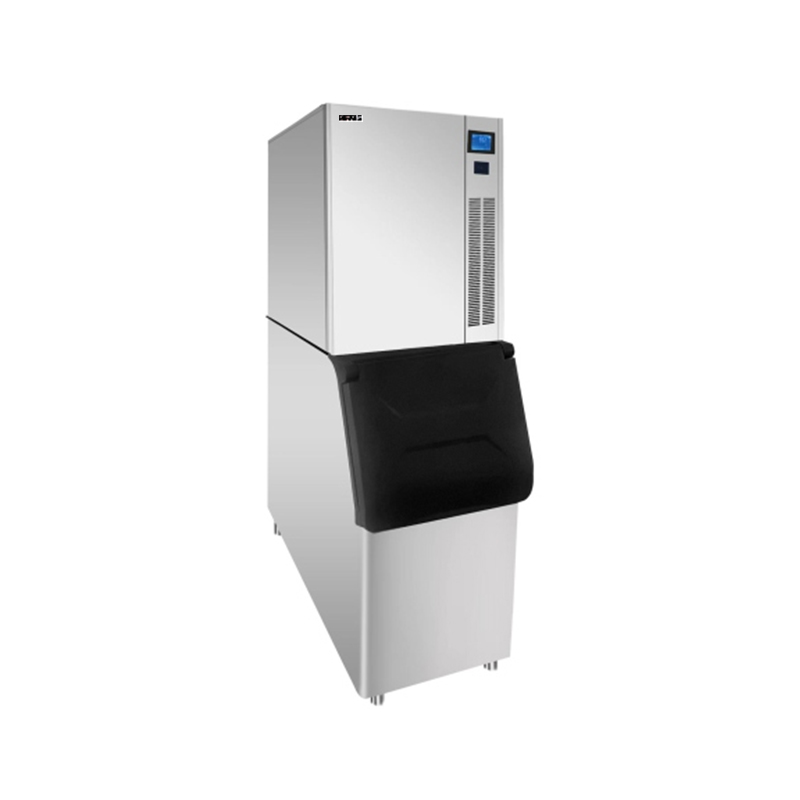
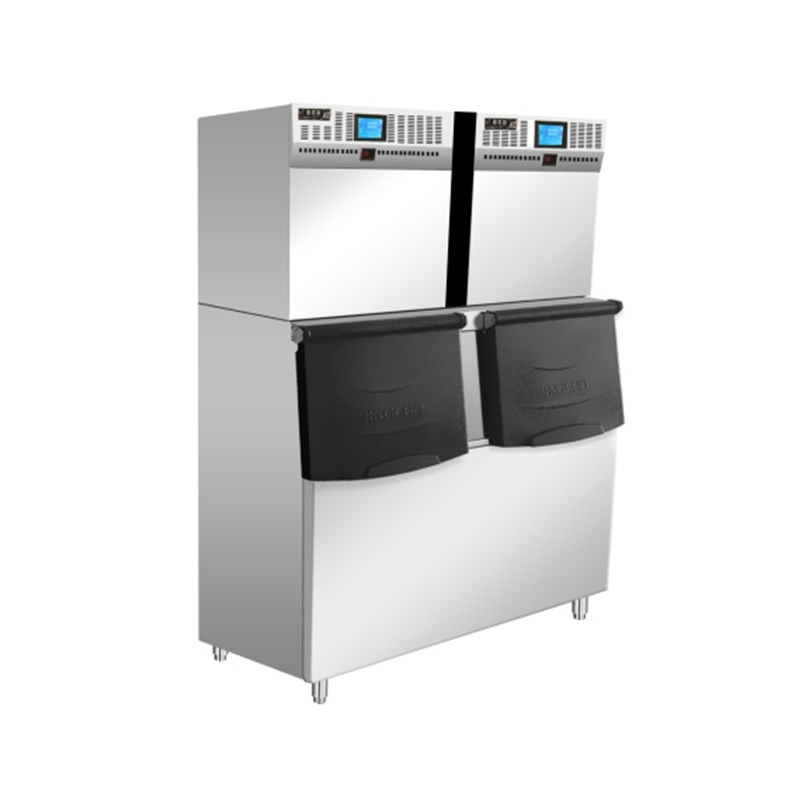
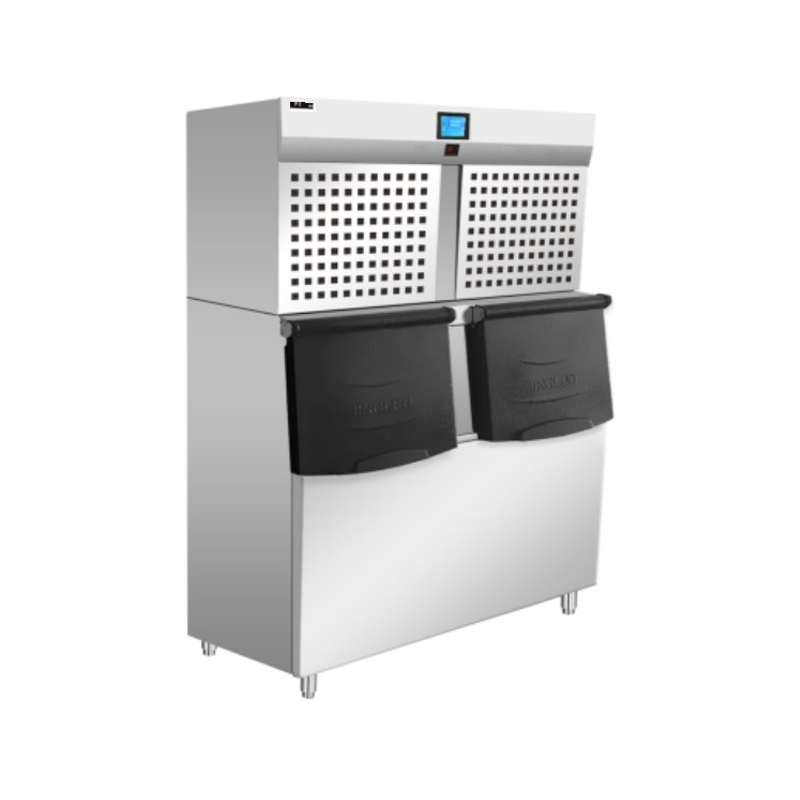
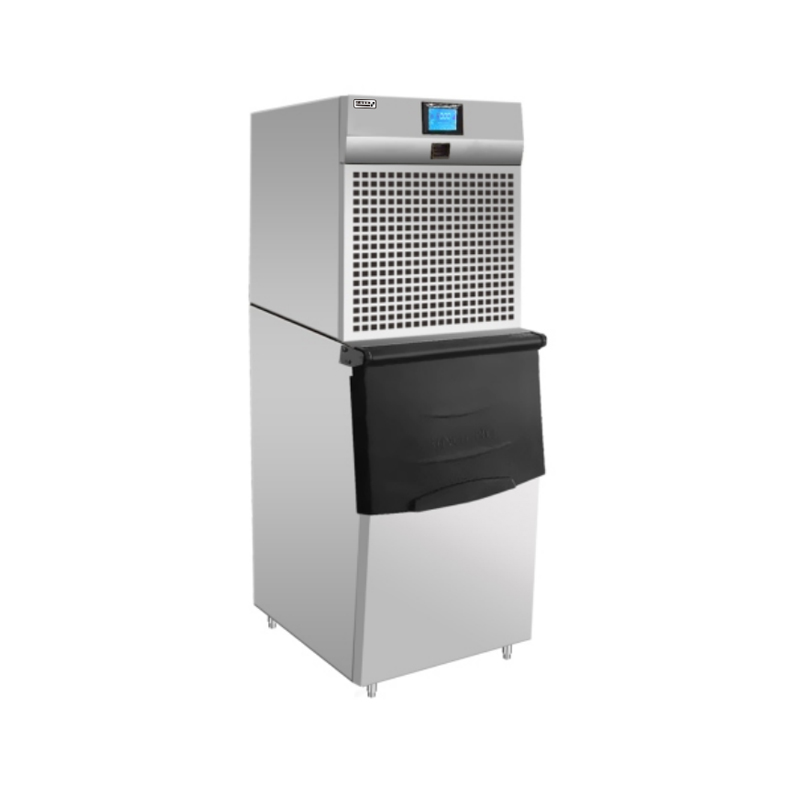
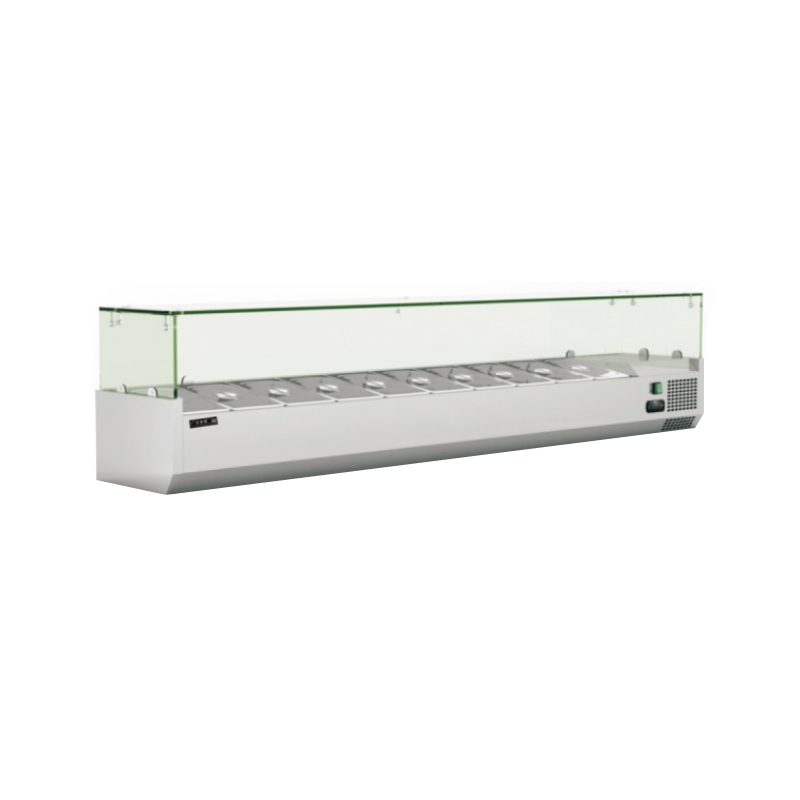
Specialty Units: This category includes everything from blast chillers that rapidly cool hot food to prevent bacterial growth, to refrigerated prep tables used for making salads and sandwiches, and even ice machines that churn out hundreds of pounds of ice daily.
Despite their vital role, Commercial Refrigerators systems present a significant global challenge, primarily due to their energy consumption and the refrigerants they use.
The refrigeration and air-conditioning sector is a major consumer of electricity. In large retail environments, refrigeration can account for up to 50% of the total energy bill. The constant, high-power cycling required for large-scale cooling demands substantial resources.
The other major environmental issue is the refrigerant itself. Historically, early refrigerants like CFCs and HCFCs were found to have high Ozone Depletion Potential (ODP). While these were phased out under international agreements, the replacement refrigerants, Hydrofluorocarbons (HFCs), were later identified as potent greenhouse gases with a Global Warming Potential (GWP) thousands of times greater than carbon dioxide. Leaks from poorly maintained or improperly disposed-of equipment release these gases into the atmosphere, contributing directly to climate change.
The industry is now undergoing a crucial transition towards more sustainable technologies.
Natural Refrigerants: Manufacturers are increasingly adopting natural refrigerants like carbon dioxide (), ammonia (), and hydrocarbons, which have significantly lower GWP and little to no ODP.
Energy Efficiency: Advancements in compressor technology, better insulation, and digital controls are creating units that use less power. Features like self-closing doors and LED lighting in display cases also contribute to substantial energy savings, reducing both operational costs and the overall carbon footprint of the cold chain.
The next generation of Commercial Refrigerators will not only keep our food safe but will do so with a reduced impact on the planet, solidifying their role as indispensable, and increasingly smart, machines in our world.

No.8 Xinhua Road, Dianshanhu Town, Kunshan City, Suzhou, Jiangsu Province, China
Call Us: +86-18217685733 / +86-18221531811
E-mail: [email protected] / [email protected]
Copyright © Jiangsu Bingluo Refrigeration Equipment Co., Ltd. All Rights Reserved. Commercial Refrigeration Equipment Solutions