
 English
 русский
 Español
 عربى
عربىIndustry News
2026-06-01
Industry News
Refrigerated Display Cases: Everything Businesses Need to Know
Content
- 1 What Are Refrigerated Display Cases and Why Do They Matter?
- 2 Main Types of Refrigerated Display Cases
- 3 Key Features to Look for When Choosing a Refrigerated Display Case
- 4 Comparing Common Refrigerated Display Case Types at a Glance
- 5 How to Size a Refrigerated Display Case for Your Business
- 6 Energy Efficiency: What It Really Costs to Run a Refrigerated Display Case
- 7 Maintenance Tips to Keep Your Refrigerated Display Cases Running Well
- 8 Top Brands in Commercial Refrigerated Display Cases
- 9 New vs. Used Refrigerated Display Cases: What You Need to Know
- 10 Final Thoughts: Picking the Right Refrigerated Display Case
What Are Refrigerated Display Cases and Why Do They Matter?
Refrigerated display cases are temperature-controlled units used in retail, foodservice, and hospitality settings to keep perishable products cold while making them visible and accessible to customers. You'll find them in grocery stores, delis, bakeries, convenience stores, and specialty shops — holding everything from fresh produce and dairy to bottled beverages and prepared meals. The right commercial refrigerated display case doesn't just preserve food safety; it actively influences purchasing decisions by presenting products attractively and accessibly.
Unlike back-of-house refrigeration, display cases are designed with the customer experience in mind. Glass doors, interior lighting, and open-front designs all serve to showcase merchandise while maintaining consistent cold temperatures. For businesses, investing in quality refrigerated display equipment is both a food safety requirement and a sales strategy.
Main Types of Refrigerated Display Cases
Understanding the different categories of refrigerated display cases will help you match the right unit to your specific needs. Each type is engineered for a particular product and environment.
Open-Air Merchandisers
Open-air refrigerated merchandisers have no doors — products are fully exposed and easy to grab. These are most common in grocery stores for beverages, grab-and-go items, and produce. The tradeoff is higher energy consumption since cold air must constantly be maintained without a barrier. Modern open-air cases use air curtain technology — invisible streams of cold air that act as a barrier — to reduce energy loss significantly.
Glass Door Reach-In Cases
These refrigerated display cases feature hinged or sliding glass doors that customers open to retrieve products. They are far more energy-efficient than open-air units and are widely used for bottled drinks, dairy products, and packaged foods. Condensation on glass can be a concern, but most commercial models include anti-fog, heated door frames that prevent moisture buildup and keep product visibility clear at all times.
Deli and Meat Display Cases
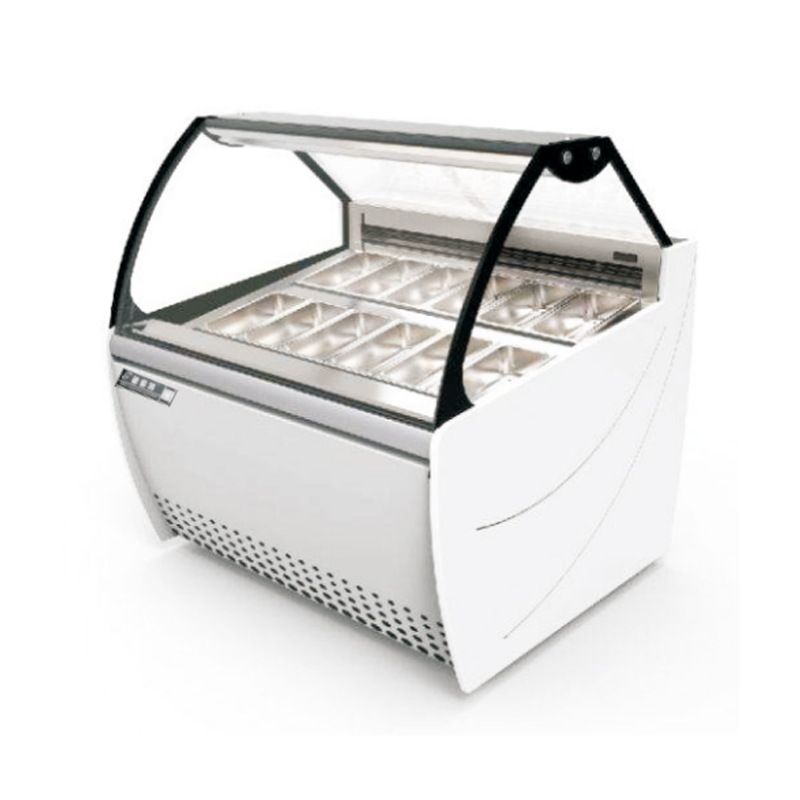
Deli-style refrigerated display cases are typically curved or straight glass countertop units used by staff to serve customers directly. They maintain temperatures ideal for sliced meats, cheeses, prepared salads, and seafood — generally between 33°F and 40°F (0.5°C–4.4°C). These cases prioritize product presentation with angled glass and interior lighting that makes food look fresh and appetizing.
Bakery and Pastry Cases
Refrigerated bakery cases hold cakes, pastries, and desserts that need to stay chilled without drying out. They typically feature humidity controls, gentle airflow, and display-friendly lighting. Many bakery refrigerated display cases come in a combination format — part refrigerated, part ambient — to handle a mix of products that require different storage conditions.
Coffin Cases (Horizontal Display Cases)
Coffin cases are low-profile, horizontal refrigerated display units commonly used for frozen foods, ice cream, or bulk packaged meats. Their open-top design offers wide visibility and easy access. They are a staple in supermarkets and warehouse clubs. Some models feature hinged lids or sliding covers for added temperature retention.
Key Features to Look for When Choosing a Refrigerated Display Case
Not all refrigerated display cases are built the same. When evaluating options, focus on these essential features:
- Temperature Range and Consistency: The unit should reliably hold your target temperature range — even during peak traffic hours when doors are opened frequently. Look for models with digital temperature controls and alarms that alert you to fluctuations.
- Energy Efficiency Ratings: ENERGY STAR-certified refrigerated display cases consume significantly less power than standard models. Given that commercial refrigeration can account for up to 40% of a store's electricity bill, this matters enormously for operating costs.
- LED Interior Lighting: LED lighting runs cooler and uses less electricity than fluorescent alternatives. It also renders colors more accurately, making food look more vibrant and appealing to shoppers.
- Defrost System: Auto-defrost capabilities prevent ice buildup that can compromise airflow and temperature consistency. Hot gas or electric defrost systems are both common — hot gas defrost tends to be faster and more efficient.
- Adjustable Shelving: Flexible shelving configurations let you accommodate products of varying sizes and reorganize your merchandising layout without purchasing new equipment.
- Self-Contained vs. Remote Refrigeration: Self-contained units house the compressor within the case itself, making installation simple. Remote systems route the compressor to a separate location, reducing heat and noise on the sales floor — ideal for large-scale retail environments.
Comparing Common Refrigerated Display Case Types at a Glance
Use this table to quickly compare the most common types of commercial refrigerated display cases by their typical application, temperature range, and energy use:
| Case Type | Best For | Temp Range | Energy Use | Access Style |
| Open-Air Merchandiser | Beverages, produce, grab-and-go | 35°F – 45°F | High | Open front |
| Glass Door Reach-In | Dairy, bottled drinks, packaged foods | 33°F – 41°F | Low–Medium | Glass door |
| Deli / Meat Case | Sliced meats, cheeses, seafood | 33°F – 40°F | Medium | Staff-served |
| Bakery / Pastry Case | Cakes, desserts, pastries | 35°F – 45°F | Low–Medium | Glass door |
| Coffin Case | Frozen foods, ice cream, bulk meats | 0°F – 10°F | Medium–High | Open top |
How to Size a Refrigerated Display Case for Your Business
Choosing the right-sized refrigerated display case comes down to three factors: the volume of product you need to display at any given time, your available floor space, and your customer traffic patterns. Undersized units force restocking too frequently and can create hot spots from overcrowding; oversized cases waste energy and money.
A practical starting point is to calculate your peak-hour product volume — the maximum amount of chilled product you need accessible to customers at any one time — and add a 20–25% buffer for restocking rotation. For a small café or specialty shop, a single 48-inch reach-in refrigerated display case may be sufficient. A full-scale deli counter might require a 12-foot run of curved glass cases plus supplemental reach-in units for back stock.
Also consider the ambient temperature of your space. In hot kitchens or warm climates, refrigerated display cases work harder to maintain temperature, which affects both performance and energy cost. Units with higher BTU ratings or remote compressors are better suited to warm environments.
Energy Efficiency: What It Really Costs to Run a Refrigerated Display Case
Commercial refrigerated display cases run 24 hours a day, 7 days a week — making energy efficiency one of the most important purchasing factors. An older, non-certified open-air case can consume 15–25 kWh per day. An ENERGY STAR-rated glass door case of similar size might use only 3–6 kWh per day. Over a year, that difference can translate into hundreds or even thousands of dollars in electricity savings per unit.
The U.S. Department of Energy and ENERGY STAR both maintain certifications specifically for commercial refrigeration equipment. When comparing models, look for the annual energy consumption figure (in kWh/year) listed in the product specifications. LED lighting, high-efficiency compressors, and improved insulation panels all contribute to lower running costs.
Some utility companies offer rebates for businesses that replace outdated refrigerated display equipment with certified energy-efficient models — worth checking before you buy.
Maintenance Tips to Keep Your Refrigerated Display Cases Running Well
A refrigerated display case is a long-term investment. Proper maintenance extends equipment life, keeps energy costs in check, and protects food safety. Follow these practical maintenance habits:
- Clean condenser coils every 3–6 months. Dust and grease buildup on condenser coils forces the compressor to work harder, raising energy use and shortening equipment life. Use a soft brush or compressed air to clear debris.
- Check and replace door gaskets annually. Worn or cracked door gaskets allow cold air to escape, increasing energy consumption and putting temperature consistency at risk. A simple paper test — close the door on a piece of paper and try to pull it out — can reveal a failing seal.
- Monitor temperature logs daily. Digital temperature monitoring systems can send alerts if a case drifts out of the safe range. Consistent logging also satisfies health department inspection requirements.
- Keep air vents clear. Never block the internal air vents with product. Restricted airflow causes uneven cooling and can create warm zones where bacteria thrive.
- Defrost regularly if not automatic. Manual-defrost cases need scheduled defrost cycles to prevent ice buildup. A thick layer of ice on the evaporator coil can reduce cooling efficiency by 20–30%.
- Schedule professional servicing once a year. A certified refrigeration technician can check refrigerant levels, test electrical connections, and catch small issues before they become expensive repairs.
Top Brands in Commercial Refrigerated Display Cases
Several manufacturers consistently receive high marks for reliability, energy performance, and customer support in the commercial refrigerated display case market. Here's a quick overview of the leading names:
- True Refrigeration: A U.S.-based manufacturer known for durable construction and a wide range of glass door reach-in and undercounter refrigerated display cases. Popular with delis and convenience stores.
- Hussmann: One of the largest suppliers of open-air and multi-deck refrigerated display cases for supermarkets and large-format retail. Strong track record in energy-efficient systems.
- Turbo Air: Offers a broad lineup of refrigerated display cases at competitive price points, including specialty bakery and deli models with attractive curved glass designs.
- Beverage-Air: Well-regarded for back bar and grab-and-go refrigerated display cases. Particularly popular in hospitality and foodservice settings.
- Carrier / Hill Phoenix: A major supplier of refrigerated display case systems for grocery chains, offering integrated remote refrigeration solutions designed for large-scale installations.
New vs. Used Refrigerated Display Cases: What You Need to Know
For businesses watching their startup costs, used refrigerated display cases can seem like an attractive option — and sometimes they are. However, there are meaningful risks to weigh carefully. An older used case may be missing current ENERGY STAR certifications, meaning it will cost significantly more to operate monthly. Refrigerants used in older equipment (such as R-22) are also being phased out internationally, making repairs more expensive and parts harder to find.
If you do go the used route, prioritize units that are no more than 5–7 years old, request service records, confirm the refrigerant type, and inspect the compressor, gaskets, and interior lighting before purchasing. Many restaurant equipment dealers offer refurbished commercial refrigerated display cases with short warranties, which offer a middle ground between brand-new cost and the uncertainty of buying used privately.
For most businesses, new equipment with a manufacturer's warranty and current energy certifications pays for itself over time through lower utility bills and fewer repair costs — especially when financing options or utility rebates are available.
Final Thoughts: Picking the Right Refrigerated Display Case
The best refrigerated display case for your business is the one that matches your product type, fits your space, meets food safety requirements, and keeps operating costs manageable. Before making a decision, list out your must-have features — temperature range, access style, energy certification, and capacity — then request quotes from at least two or three vendors.
Don't overlook total cost of ownership. A unit that costs $1,000 more upfront but saves $600 per year in electricity is a better investment over a five-year lifespan than a cheaper option with poor energy ratings. Refrigerated display cases are foundational equipment for any perishable goods business — choose thoughtfully, maintain consistently, and they'll serve you reliably for years.
Related Products

No.8 Xinhua Road, Dianshanhu Town, Kunshan City, Suzhou, Jiangsu Province, China
Call Us: +86-18217685733 / +86-18221531811
E-mail: [email protected] / [email protected]
Copyright © Jiangsu Bingluo Refrigeration Equipment Co., Ltd. All Rights Reserved. Commercial Refrigeration Equipment Solutions
