 English
 русский
 Español
 عربى
عربىIndustry News
Home / News / Industry News / Crescent Ice Machine: What This Popular Ice Maker Style Is Really Good For
2026-08-25
If you've been shopping for a new ice maker, chances are you've come across the term "crescent ice machine" more than once. Unlike the cloudy, hollow tube-shaped cubes made by many standard freezers, a crescent ice machine produces curved, half-moon shaped ice that's soft, slow-melting, and easy to chew. This style has become a favorite in restaurants, bars, hospitals, and increasingly in home kitchens because it hits a sweet spot between ice quality, machine reliability, and energy efficiency. Below, we'll break down exactly what a crescent ice machine is, how it works, who it's best suited for, and what to look for before you buy one.
Content
The defining feature of a crescent ice machine is, unsurprisingly, the shape of the ice itself. Instead of solid cubes or bullet-shaped nuggets, crescent ice comes out curved and slightly hollow in the center, almost like a small seashell. This shape isn't just a cosmetic choice — it directly affects how the ice performs in a drink.
Because crescent-shaped cubes have a larger surface area relative to their mass compared to full cubes, they cool beverages faster on contact. At the same time, they're dense enough that they don't melt as quickly as chewable nugget ice, which means your drink stays cold without getting watered down too fast. This balance is a big reason crescent ice machines are so widely used in commercial settings where both drink quality and ice longevity matter.
Most crescent ice machines use a horizontal evaporator plate fitted with a series of curved molds. Water is pumped over this plate continuously, and as it contacts the refrigerated surface, thin layers of ice build up inside each curved cavity. Once the ice reaches the right thickness, a heating element or hot gas defrost cycle gently warms the plate just enough to release the crescent-shaped cubes into the storage bin below.
This cycle repeats continuously as long as the bin has room, which is why a well-maintained crescent ice machine can produce a steady, predictable supply of ice throughout the day.
Not every kitchen needs this specific type of ice maker, but for certain use cases it's genuinely the best option available. Bars and restaurants like crescent ice because it doesn't dilute cocktails or soft drinks too quickly, which keeps drink quality consistent from the first sip to the last. Hospitals and care facilities often choose crescent ice machines because the shape is gentle enough for patients who need ice chips but sturdy enough to hold up in a cup of water or juice for a while.
On the home side, crescent ice machines are popular with people who entertain frequently, run a home bar, or simply prefer ice that chills drinks quickly without turning them into watery messes. If you've ever been frustrated by nugget ice melting too fast or standard cubes taking forever to cool a drink, crescent ice is often the compromise you're looking for.
| Ice Type | Melt Speed | Best For |
| Crescent Ice | Slow to moderate | Cocktails, soft drinks, everyday use |
| Nugget Ice | Fast | Chewing, blended drinks, medical use |
| Full Cube Ice | Very slow | Whiskey, long-sitting drinks |
| Flake Ice | Very fast | Seafood displays, produce cooling |
As the table shows, crescent ice machines occupy a comfortable middle ground. They're not as instantly meltable as nugget ice, nor as slow-melting as dense full cubes, which is exactly why so many bars and restaurants default to this style.
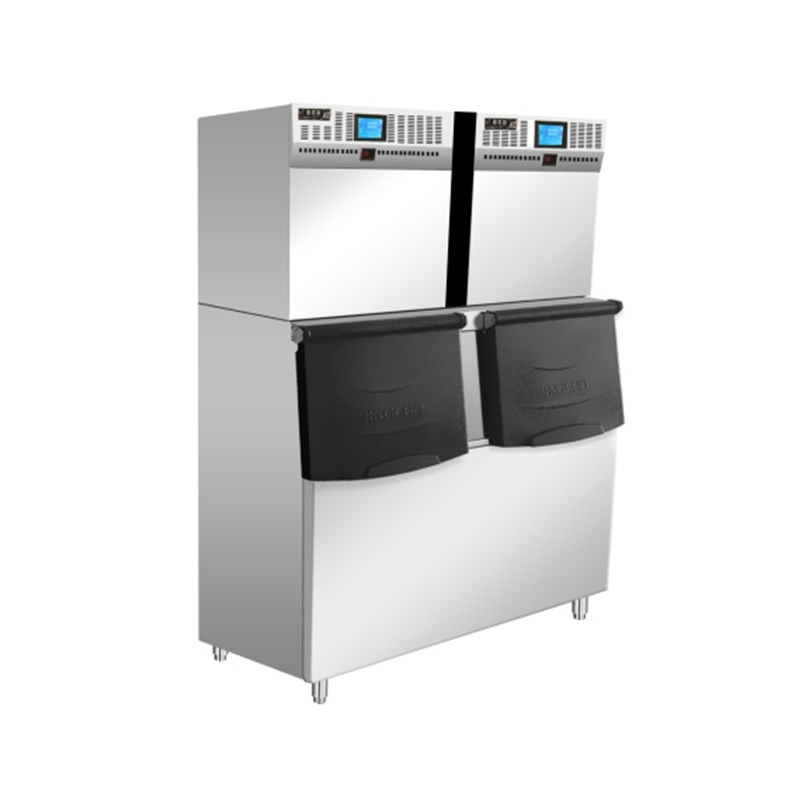
Before buying a crescent ice machine, it helps to think through a few practical factors rather than just comparing prices. Production capacity, physical footprint, and water connection requirements all matter more than most buyers expect once the unit is actually installed.
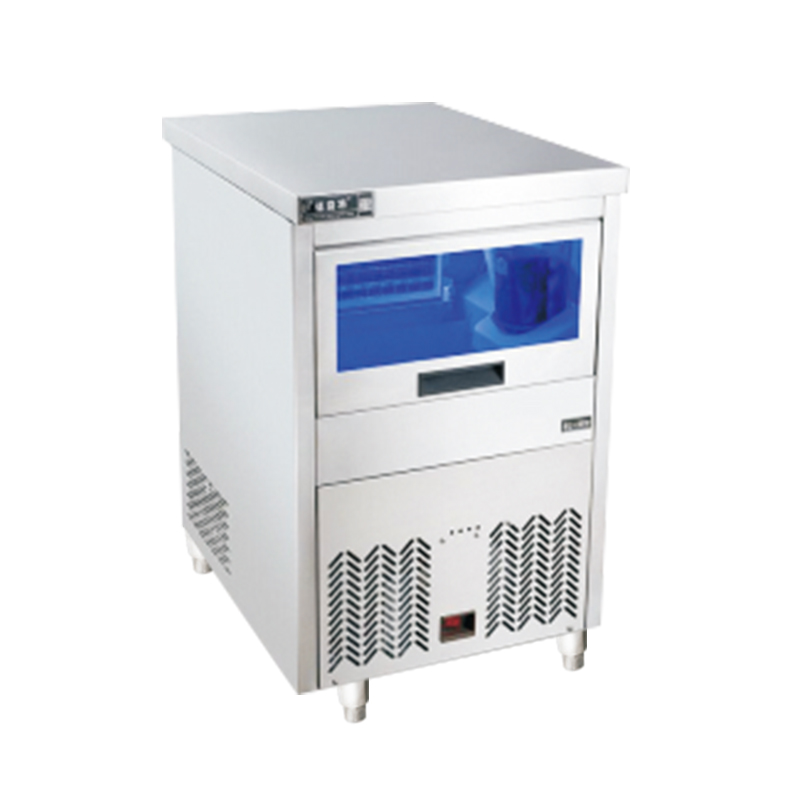
For most households, a compact undercounter crescent ice machine producing around 25 to 50 pounds of ice per day is more than sufficient. Commercial kitchens, on the other hand, often need units capable of producing several hundred pounds daily, paired with a larger storage bin to handle peak service hours.
Like any appliance that handles water continuously, a crescent ice machine needs regular upkeep to avoid mineral buildup, mold growth, and reduced ice output. Skipping maintenance is one of the most common reasons these machines underperform or break down early.
Consistent cleaning not only extends the lifespan of the machine but also keeps the ice tasting clean, which matters a lot when it's going directly into drinks people are consuming.
Even a well-built crescent ice machine can run into issues over time, and most of them are easier to fix than people expect. Understanding a few common warning signs can save you an unnecessary service call.
If the machine is producing smaller or misshapen crescents, it's often a sign of low water flow, a partially clogged water line, or scale buildup on the evaporator plate. If ice production slows down significantly, check the condenser coils for dust buildup, since restricted airflow forces the compressor to work harder and reduces overall efficiency. Unusual noises during the harvest cycle usually point to a loose component or a defrost system that needs adjustment, both of which are worth addressing quickly before they turn into bigger repairs.
A crescent ice machine strikes a practical balance that few other ice makers manage as well — cubes that cool drinks quickly, melt at a reasonable pace, and hold up through a long service shift or a lazy afternoon at home. Whether you're outfitting a commercial bar or simply upgrading your home kitchen, understanding how these machines work, what to look for before buying, and how to maintain them properly will help you get consistent, high-quality ice for years to come.

No.8 Xinhua Road, Dianshanhu Town, Kunshan City, Suzhou, Jiangsu Province, China
Call Us: +86-18217685733 / +86-18221531811
E-mail: [email protected] / [email protected]
Copyright © Jiangsu Bingluo Refrigeration Equipment Co., Ltd. All Rights Reserved. Commercial Refrigeration Equipment Solutions