
 English
 русский
 Español
 عربى
عربىIndustry News
2026-02-18
Industry News
Pro Tips for Maintaining Your Commercial Freezer
Content
Routine Cleaning and Coil Maintenance
To keep your commercial freezer running at peak performance, the condenser coils must be cleaned at least once every three months. These coils are responsible for releasing heat; when they get covered in dust, grease, or debris, the freezer has to work twice as hard to maintain the set temperature. This not only spikes your electric bill but also leads to "short-cycling," where the compressor turns on and off too frequently. Use a stiff brush or a vacuum to gently remove buildup from the coils to extend the lifespan of your equipment by years.
Internal cleanliness is just as vital for food safety and airflow. Spills should be wiped up immediately to prevent them from freezing into stubborn ice blocks that block vents. Once a month, it is a good idea to rotate your stock and wipe down the interior walls with a food-safe sanitizer. Ensuring that the air vents inside the unit are not blocked by boxes or bags is critical for maintaining a uniform temperature throughout the cabinet, preventing "warm spots" that could spoil expensive inventory.
Monitoring Gaskets and Door Seals
The rubber gasket around the door is the only thing standing between your frozen goods and the warm kitchen air. Over time, these gaskets can become brittle, cracked, or caked with grime, which breaks the airtight seal. A simple way to check your commercial freezer seal is the "dollar bill test"—close the door on a bill and try to pull it out. If it slides out easily, your gasket is loose and needs to be cleaned or replaced. A leaking seal is one of the most common causes of frost buildup on the evaporator coils, which eventually leads to a total cooling failure.
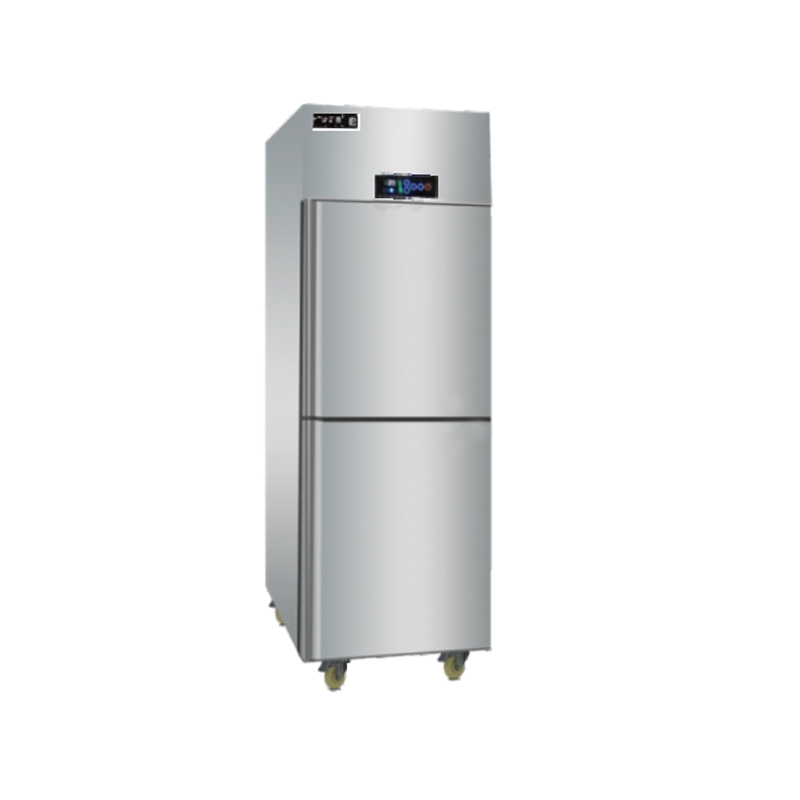
Signs Your Freezer Needs Professional Repair
- Excessive Frost: If you see ice forming on the ceiling or walls, your defrost cycle might be failing.
- Strange Noises: Clicking, buzzing, or grinding sounds usually indicate a fan motor or compressor issue.
- Water Leaks: Puddles around the base of the unit often mean a clogged drain line.
- Temperature Fluctuations: If the internal temp rises during the day, the unit is struggling to keep up with the heat.
Maximizing Storage Efficiency
The way you organize your commercial freezer actually affects its cooling ability. A freezer that is about 70% to 80% full is actually more efficient than an empty one, as the frozen items help maintain the temperature when the door is opened. However, packing it too tightly prevents air from circulating, which is how the machine stays cold. Use plastic bins to categorize items and always practice "First In, First Out" (FIFO) to ensure that the oldest stock is used before it develops freezer burn.
| Maintenance Task | Frequency | Difficulty |
| Clean Condenser Coils | Quarterly | Medium |
| Wipe Door Gaskets | Weekly | Easy |
| Check Temperature Logs | Daily | Easy |
Related Products

No.8 Xinhua Road, Dianshanhu Town, Kunshan City, Suzhou, Jiangsu Province, China
Call Us: +86-18217685733 / +86-18221531811
E-mail: [email protected] / [email protected]
Copyright © Jiangsu Bingluo Refrigeration Equipment Co., Ltd. All Rights Reserved. Commercial Refrigeration Equipment Solutions
