 English
 русский
 Español
 عربى
عربىIndustry News
Home / News / Industry News / Commercial Hot Water Dispensers: The Fast, Reliable Way to Serve Hot Water in Any Business
2026-04-29
Content
Commercial hot water dispensers are purpose-built appliances designed to deliver large volumes of near-boiling water on demand for businesses like cafes, restaurants, offices, and healthcare facilities. Unlike residential kettles or standard water heaters, commercial boiling water dispensers feature high-capacity tanks, rapid recovery systems, and durable components engineered for continuous operation throughout busy service hours. These instant hot water dispensers for business eliminate the wait time associated with heating water from scratch, allowing staff to prepare teas, soups, instant meals, and sanitation solutions instantly without interrupting workflow or frustrating customers.
The core advantage of office hot water dispensers lies in their combination of speed, safety, and energy efficiency. Advanced models use insulated stainless steel tanks and precise thermostats to maintain water at optimal serving temperatures between 190°F and 200°F, reducing the energy waste associated with repeatedly boiling water to 212°F. Safety features like child-lock dispensing levers, cool-touch exteriors, and automatic shut-off mechanisms protect staff and patrons from accidental burns. For high-volume environments like hospital cafeterias or university dining halls, industrial hot water dispensers with 10+ gallon capacities ensure consistent availability even during peak demand periods.
Selecting the right restaurant hot water dispensers requires matching specifications to your operational needs. Start by calculating your peak-hour demand: a small coffee shop may only need a 3-5 gallon point-of-use hot water dispenser, while a full-service restaurant serving soups and pasta might require a 10-15 gallon commercial water heater with dispensers. Consider the power source too—electric models offer precise temperature control and easier installation, while gas-fired units provide faster recovery rates for extremely high-volume applications. Look for units with NSF certification for foodservice use, leak-detection sensors, and modular designs that simplify maintenance and part replacement.
| Unit Type | Tank Capacity | Recovery Rate | Best For | Power Requirement |
| Countertop Dispenser | 2-5 gallons | 1-2 GPH | Small offices, break rooms | 120V/15A |
| Undercounter Unit | 5-10 gallons | 3-5 GPH | Cafes, quick-service restaurants | 208-240V/30A |
| Floor-Standing Model | 10-20 gallons | 8-12 GPH | Full-service restaurants, hotels | 240V/50A or Gas |
| High-Capacity Industrial | 20+ gallons | 15+ GPH | Hospitals, universities, catering | 3-Phase Electric or Gas |
Beyond capacity, evaluate temperature control precision and dispensing mechanisms. Digital thermostats with ±2°F accuracy ensure consistent brewing temperatures for specialty teas and coffee, while adjustable dispensing valves allow controlled flow rates for filling cups, pots, or sanitation buckets. Models with dual-temperature settings can serve both near-boiling water for food prep and lower-temperature water for handwashing stations, maximizing versatility in multi-use commercial kitchens.
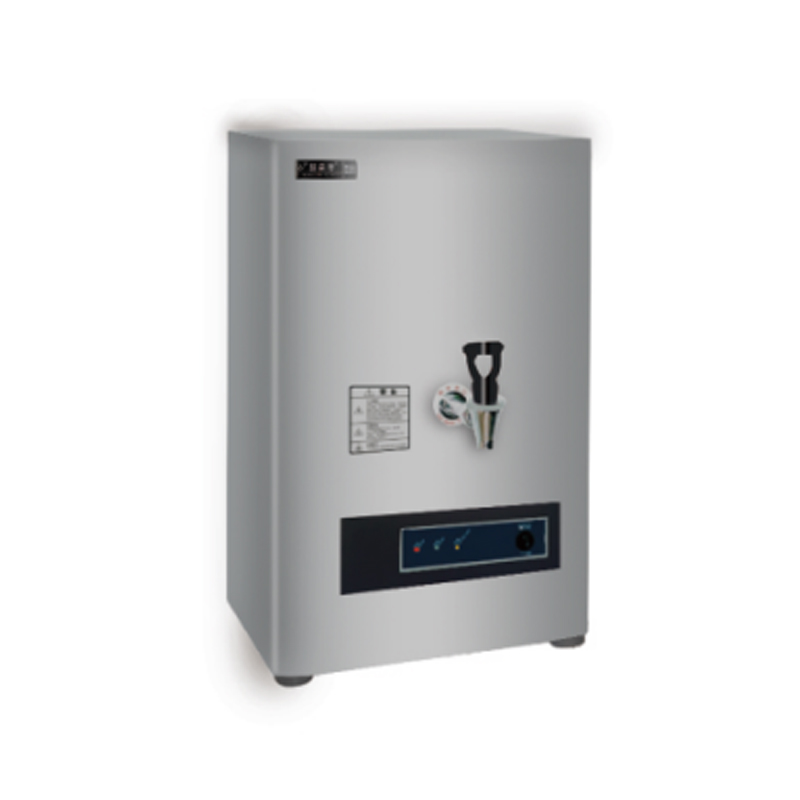
Proper installation of commercial hot water dispensers is critical for safety, performance, and warranty compliance. Begin by verifying that your electrical or gas supply meets the manufacturer's specifications; undersized circuits can cause tripped breakers or inconsistent heating, while inadequate gas lines may lead to poor recovery rates. Position the unit on a level, heat-resistant surface with at least six inches of clearance on all sides for ventilation and maintenance access. Connect to a dedicated water line with a shut-off valve and install a sediment filter upstream to protect internal components from mineral buildup, especially in areas with hard water.
Maximizing the service life of instant hot water dispensers for business requires consistent care and proactive maintenance. Start each day by checking the temperature display and dispensing a small amount of water to verify proper operation. Wipe down the exterior and dispensing nozzle with a damp, non-abrasive cloth to remove spills and prevent mineral deposits from hardening. For units with visible water level indicators, ensure the tank maintains adequate fill to prevent dry-firing, which can damage heating elements and void warranties.
Even well-maintained commercial boiling water dispensers can experience operational issues that disrupt service. If water temperature drops below set points, check for sediment buildup on heating elements, inadequate water supply pressure, or a failing thermostat. Slow dispensing flow often indicates clogged inlet filters, kinked supply lines, or mineral deposits in the dispensing valve. Unusual noises like rumbling or clicking may signal air trapped in the tank, loose mounting hardware, or heating element expansion—address these promptly to prevent component damage.

No.8 Xinhua Road, Dianshanhu Town, Kunshan City, Suzhou, Jiangsu Province, China
Call Us: +86-18217685733 / +86-18221531811
E-mail: [email protected] / [email protected]
Copyright © Jiangsu Bingluo Refrigeration Equipment Co., Ltd. All Rights Reserved. Commercial Refrigeration Equipment Solutions